
Reviewed · COOKING CLASSES
Makati: Hands on Manila Cooking Class
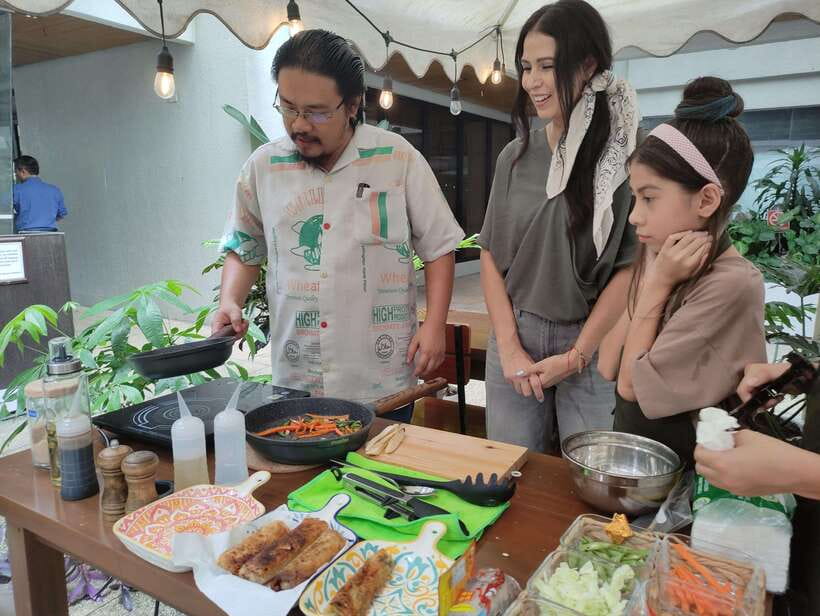
Filipino cooking makes a fine introduction to the country because it is generous, practical, and full of contrasts. In this two-hour hands-on class, Chyl guides you through pancit, lumpia, and turon, turning familiar snack foods into a small feast while sharing family stories and food customs.
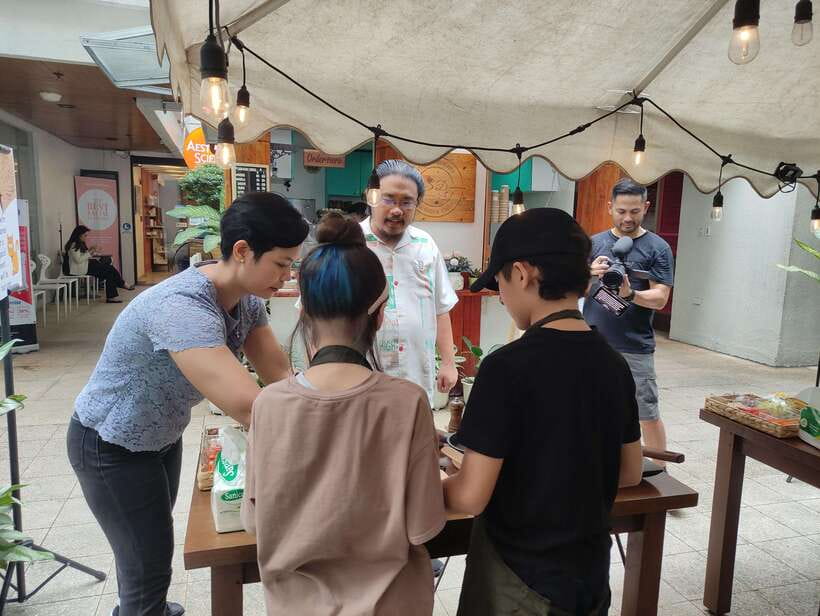
I like the tiny group size, limited to four, because you get real time at the cooker rather than watching a demonstration from the back of a room. I also like that the recipes use simple ingredients and are meant to be made again at home. The main drawback is the price, $60 per person, which is on the high side for a short class, and the outdoor setting may be awkward in heavy rain.
Key points at a glance
- Three dishes in two hours: Prepare savory pancit noodles, crisp lumpia, and sweet banana-filled turon.
- A personal guide: Chyl teaches in English with calm instruction, cultural context, and stories from Filipino family life.
- Small-group cooking: Four participants is the maximum, and solo bookings may become one-on-one lessons.
- A full meal disguised as merienda: The Filipino snack course is substantial enough to replace two meals for some people.
- Convenient Makati setting: The class is held outdoors near Greenbelt Mall and The Peninsula Hotel, though you should confirm the exact location.
- Easy booking terms: You can cancel up to 24 hours before the class for a full refund and reserve without paying immediately.
Why a Filipino merienda class works so well
Filipino food is shaped by the country’s many islands, from mountain produce to seafood and family cooking passed down through generations. You will not get a long survey of every regional dish in two hours, but you will learn how everyday Filipino food brings people together.
The focus is merienda, the Filipino tradition of a snack between meals. Here, that word is slightly misleading for hungry visitors. You prepare two savory dishes and one dessert, then sit down to eat the results. Several of the dishes are filling enough to count as lunch or dinner.
This is a useful format for a first taste of Filipino food. Instead of simply ordering a plate in a restaurant, you handle the ingredients, cook the food yourself, and hear why these dishes matter in Filipino homes. The class also gives you recipes you can attempt after returning home.
A few more Makati trips to weigh up
- Manila Filipino Cooking Class: Meryenda Favorites
★ 5.0 · 80 reviews - Private Filipino cooking class in a local Manila Home
★ 5.0 · 28 reviews - Private Market Tour and Filipino Cooking Class in Manila with Isi
★ 4.5 · 15 reviews
Meeting Chyl in the open-air courtyard
The meeting point is the outdoor courtyard in front of a coffee kiosk. Look for Chyl or the class staff there. The setting has been described as close to Greenbelt Mall and The Peninsula Hotel, which makes it easy to pair with time in central Makati.
There is one practical wrinkle: the activity information identifies Nueva Vizcaya as the location, while the title and fuller details place the cooking class in Makati. Since one participant also found the venue a little hard to locate, confirm the exact meeting point with Explore Manila Tours before setting out. The Grab app is the simplest way to reach the address in Manila, especially if traffic makes a fixed taxi journey harder to predict.
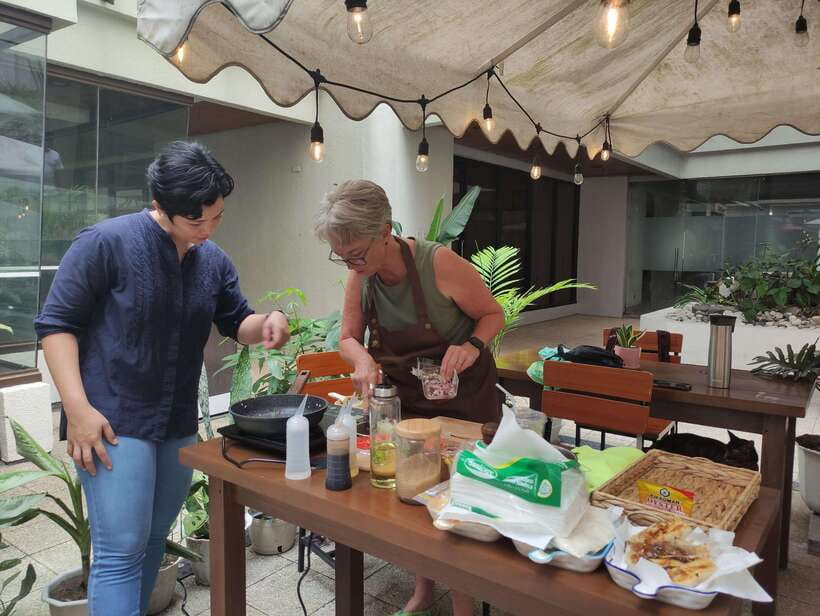
The open-air setup gives the class a relaxed feel. Tables are prepared in advance, with cooking equipment and ingredients ready to use. You may receive a cold nonalcoholic drink such as lemonade at the start, a small but welcome touch in Manila’s heat.
The outdoor location is not fully weatherproof. One session had to be rearranged when rain arrived, so check the forecast and bring clothing that is comfortable in warm conditions. The class is wheelchair accessible, but the outdoor layout may still be worth confirming in advance if you need a particular route or table arrangement.
Preparing pancit, a Filipino noodle favorite
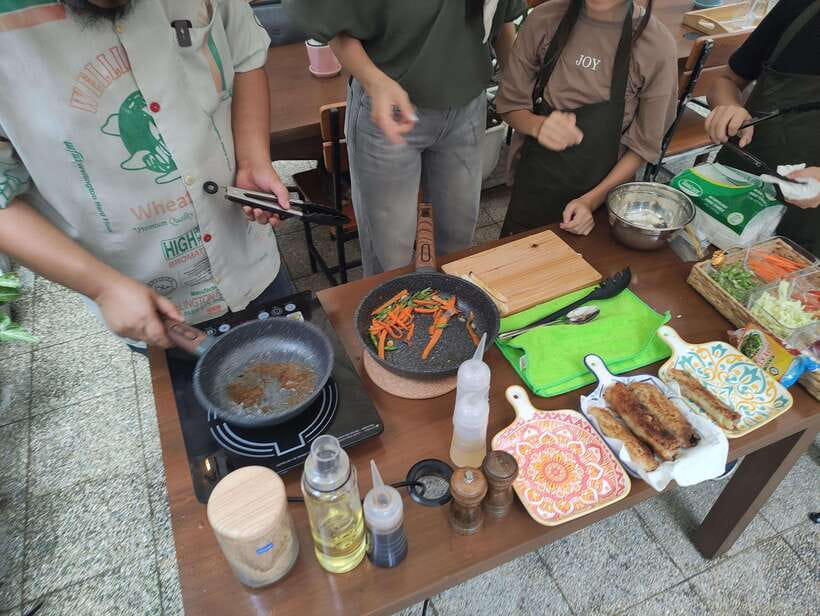
The cooking begins with preparation. You work with your own equipment and ingredients, rather than standing behind a counter while someone else does the important parts. Chyl explains each step and helps you manage the sequence, which is useful if you have little cooking experience.
Pancit is a practical dish to teach because it shows how Filipino home cooking turns noodles, vegetables, and other basic ingredients into something filling. The class presents it as a familiar food, the sort of dish connected with home comforts and gatherings.
You are not expected to be an expert. The recipes are forgiving, and Chyl’s calm style lets beginners work at their own pace. If you already cook often, you can still ask about substitutions, preparation methods, and how Filipino cooks approach the dish. A small group means there is room for those questions.
The class is hands-on from start to finish. You help prepare the ingredients, operate the induction cooker, use the pans and utensils, and assemble the finished dish. That matters because the lesson is not only about flavor. It teaches a method you can repeat in your own kitchen.
Rolling lumpia from scratch
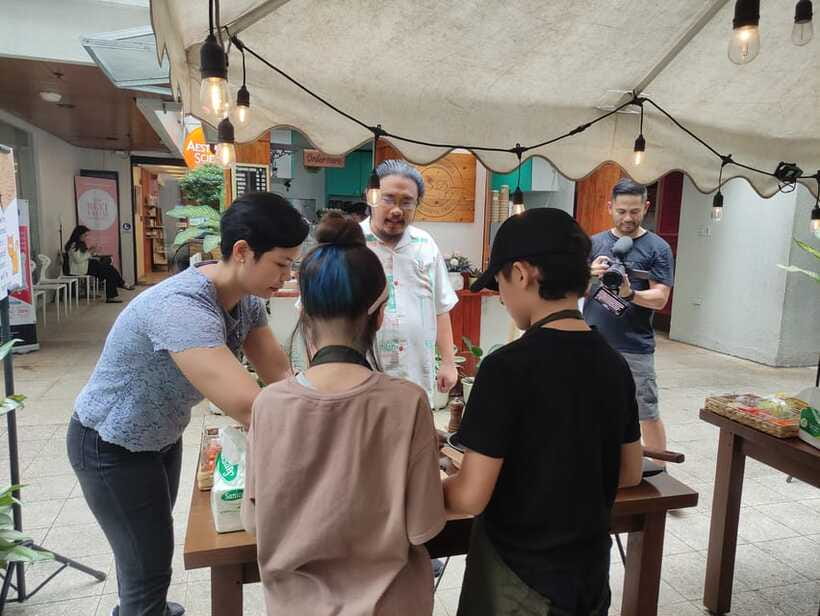
Lumpia, the Filipino spring roll, adds a different kind of work. You prepare the filling, wrap the rolls, and cook them until crisp. The contrast with soft noodles makes the three-dish menu feel varied, even though everything fits within a short session.
This part is especially good for couples, families, or friends because rolling can become a shared task. You can compare how tightly or loosely each person wraps the rolls, then see how the finished pieces differ. The class keeps the pace gentle enough that beginners can take the lead.
Chyl’s teaching style is one of the strongest reasons to book. She gives clear instructions without taking over, and you have space to make the food yourself. If you are nervous around hot oil or unfamiliar equipment, she provides support while still letting you do the work.
The small group limit of four is important here. In a larger class, you might get one turn at rolling and little time at the cooker. With four people, each person has a better chance to complete the full process.
Same islands, a completely different day on the water:
- Makati Nightlife: VIP Access to Clubs, Rooftops & Go-Go Bars
★ 4.9 · 278 reviews - Makati Rooftop and Hidden Bars Experience
★ 4.9 · 30 reviews - Makati Rooftop Barhopping with Local Guide
★ 4.8 · 26 reviews - Makati Street Food Tour Experience
★ 5.0 · 20 reviews
Finishing with sweet turon
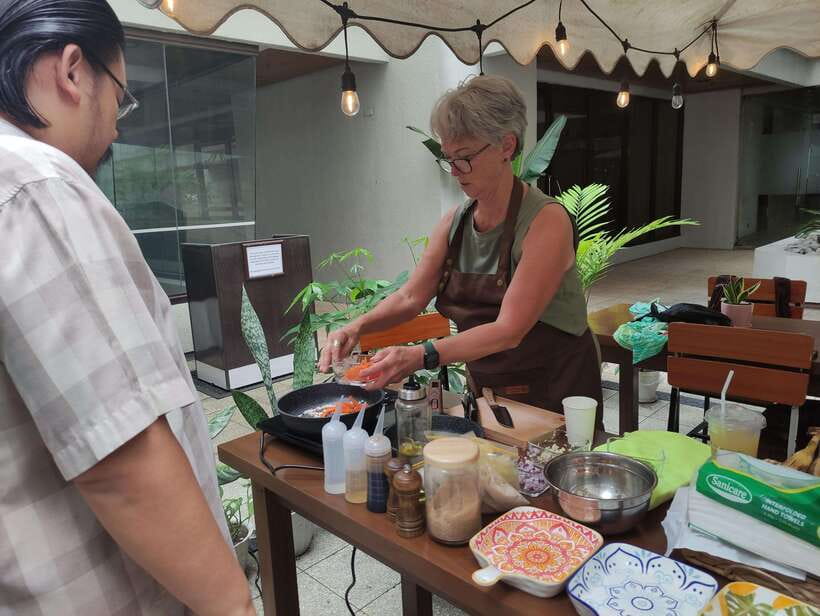
Turon provides the sweet ending. This banana snack is wrapped and fried, producing a crisp exterior and a warm, sweet center. It is simple food, but the class uses it to explain how everyday Filipino snacks can carry family memories and local meaning.
The dessert also helps explain the appeal of the menu. You are not preparing three versions of the same dish. Pancit gives you noodles and vegetables, lumpia brings savory crunch, and turon closes with something sweet.
The recipes are designed to be manageable at home. You do not need advanced skills or a long list of specialist equipment. That makes the class a good choice if your goal is to bring back practical food knowledge rather than just enjoy a one-time meal.
Plan to arrive hungry. The portions can be surprisingly large for a snack class, and you may have more food than you can comfortably eat during the session. There is no need to schedule a heavy meal immediately afterward.
Food stories beyond the cooking steps
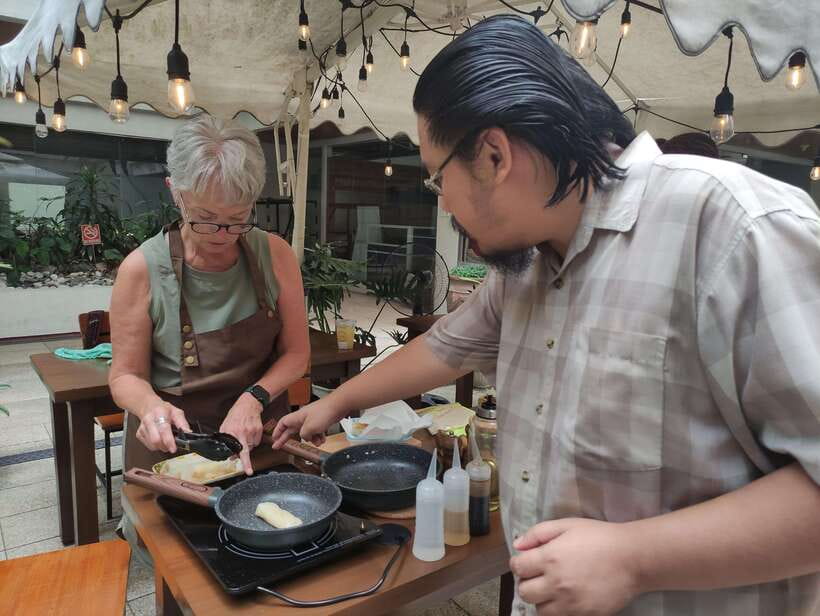
Chyl does more than call out measurements and cooking times. She connects the dishes to Filipino family life, celebrations, childhood memories, and the way people think about food at home.
That conversation is a major part of the experience. Filipino cuisine can be difficult to understand if you only sample isolated dishes in restaurants. Hearing why a snack is common, how a recipe changes between households, or what food means during celebrations gives the meal a clearer place in daily life.
The cultural material is conversational rather than academic. You will hear stories and food trivia as the cooking moves along. That keeps the two hours active and prevents the class from becoming a lecture.
I would especially recommend this aspect to solo visitors. A private or nearly private session can feel personal, and one person who attended alone was able to ask many questions while still completing all three dishes. For a couple or family, the stories add meaning without taking over the cooking.
What the $60 price really buys you
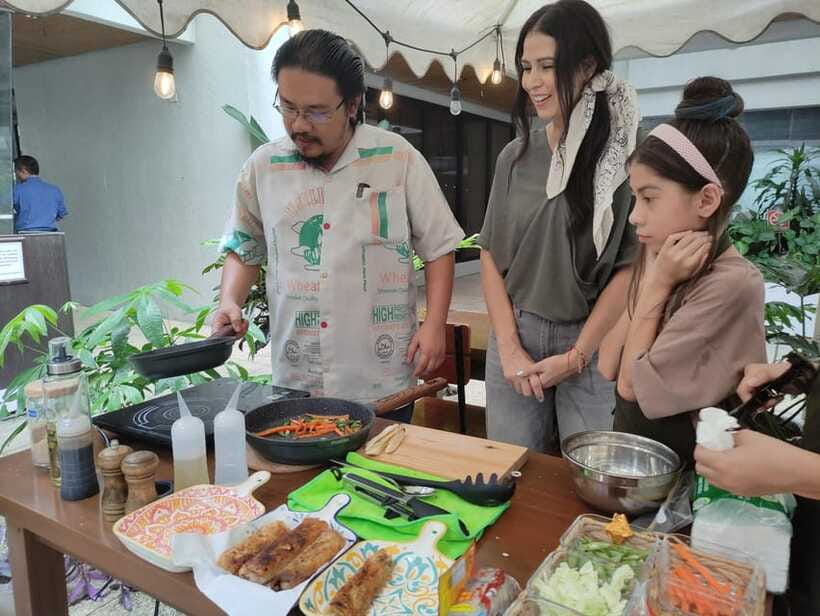
At $60 per person, this is not the cheapest way to eat Filipino food in Manila. You could find several inexpensive meals for the same amount. The value comes from the instruction, the ingredients, the equipment, the small group, and the chance to repeat the recipes at home.
The price makes more sense if you treat the class as both a meal and a cultural activity. You receive a nonalcoholic drink, cook three dishes, and eat what you make. You also avoid the common problem of a cooking class where one person demonstrates while everyone else watches.
For four participants, the attention level should be good. For one participant, the value depends on how much you enjoy conversation and personalized teaching. A private-feeling lesson can be worthwhile if you want detailed help, but it may feel expensive if you are mainly looking for a quick lunch.
The equipment has been described as clean and good quality, including induction cookers and pans. Ingredients are prepared before the class begins, so the short schedule is used for actual cooking instead of a long shopping trip or kitchen setup.
Who will enjoy this class most
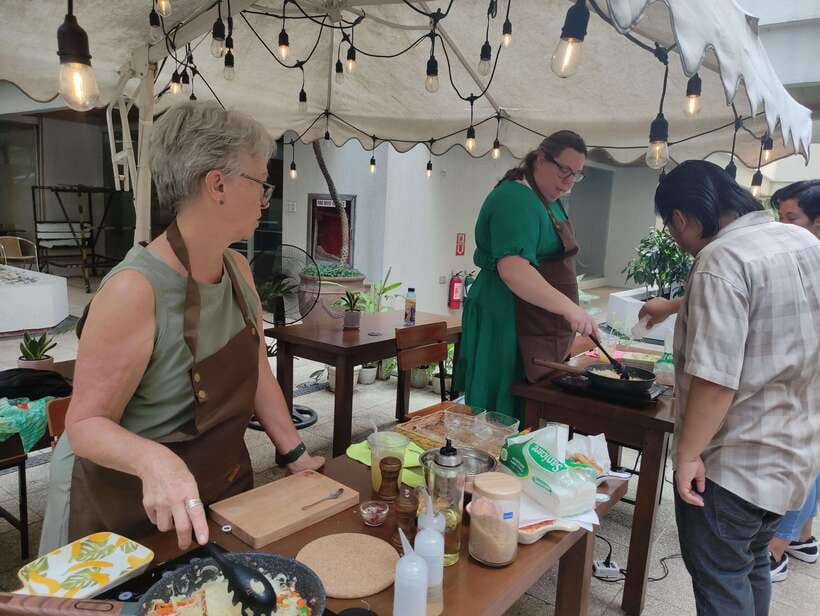
This is a strong fit for first-time cooks, food-focused visitors, and anyone who wants an activity with more substance than a restaurant meal. The recipes are approachable, and Chyl’s patient instruction should help you even if you rarely cook.
It also works well for families with older children, friends, and couples. The minimum age is nine, so younger children cannot join. The two-hour length is manageable for a family outing, while the hands-on format gives everyone something to do.
Solo visitors may get the most personal attention if no one else books the same time. That can turn the class into a relaxed conversation about food and life in the Philippines. On the other hand, if you prefer a lively group setting, a solo booking may feel quieter.
You should skip it if you want a formal restaurant kitchen, a broad tour of regional Filipino cuisine, or a long list of complicated dishes. The menu centers on three approachable merienda foods. It is an introduction, not a full culinary course.
The activity is not suitable for visually impaired people, according to the stated safety information. Comfortable clothes are the only required item, but avoid wearing anything you would worry about near cooking oil or food preparation.
Timing, weather, and finding the venue
The class lasts two hours, with starting times depending on availability. That makes it easy to fit into a Makati day, perhaps before an evening meal or after sightseeing around Greenbelt.
Allow extra time for traffic. One participant arrived late after trouble getting a Grab, although Chyl waited and still provided the full session. That kindness cannot be guaranteed every time, so do not plan an arrival at the last possible minute.
The venue has a pleasant, secluded outdoor feel, but weather is the main weakness. Rain can force tables and equipment to be moved, and a more covered space would make the experience more dependable. If the forecast looks poor, contact the operator before you go.
You can cancel up to 24 hours ahead for a full refund, and the reserve-now, pay-later option keeps your plans flexible. These terms are useful in Manila, where traffic, weather, and changing itineraries can all affect a short activity.
My practical verdict
I would book this class if I wanted a friendly, low-pressure way to understand Filipino food and take home recipes I could actually use. Chyl’s clear teaching, personal stories, and willingness to let you do the cooking give the experience more value than a simple tasting.
The strongest reasons to go are the four-person limit, the full hands-on format, and the generous amount of food. The main reasons to hesitate are the $60 price, the outdoor weather risk, and the need to confirm the exact Makati meeting point.
Book it especially if you are staying near Greenbelt, traveling with a friend or family member, or looking for a two-hour break from museums and shopping. Arrive hungry, use Grab, wear comfortable clothes, and confirm the venue details before you leave. For a short introduction to Filipino home cooking, this is a tasty and useful choice.
FAQ
How long does the cooking class last?
The class lasts two hours. Starting times vary, so check availability when choosing a date.
What dishes will I cook?
You will prepare pancit noodles, lumpia spring rolls, and sweet turon, a banana-based Filipino snack.
Is the class taught in English?
Yes. The instructor teaches in English.
What is included in the price?
Cooking equipment, food ingredients, and one nonalcoholic drink are included. Hotel pickup and drop-off are not included.
Where do I meet the instructor?
Meet the instructor at the outdoor courtyard in front of the coffee kiosk. Because the venue can be difficult to find and the supplied location details refer to both Makati and Nueva Vizcaya, confirm the exact address with Explore Manila Tours before attending.
Can children join the class?
Children under nine cannot participate. The activity is suitable for children aged nine and older, subject to the stated restrictions.
Just added around Makati
- Poblacion Makati Bar Hopping Experience★ 5.0 · 4 reviews
- Manila Ultimate Nightlife Pub Crawl★ 4.9 · 10 reviews
- Manila Old & New City Private Tour★ 4.5 · 16 reviews
- Makati Hidden Bars and Rooftop Bars with Venus★ 5.0 · 4 reviews
- Makati Street food Tour, End with a Rooftop City View★ 4.7 · 9 reviews
- Makati Street food walking tour with Dinner★ 5.0 · 3 reviews
- Makati Bar Crawl – Hidden Bar, Speakeasy and Pub★ 5.0 · 6 reviews
- From Manila: Pangasinan Hundred Islands Guided Tour★ 4.1 · 17 reviews
Cooking Classes, compared.
Manila Filipino Cooking Class: Meryenda Favorites
Read our review →
Private Filipino cooking class in a local Manila Home
Read our review →
Private Market Tour and Filipino Cooking Class in Manila with Isi
Read our review →
Private Filipino Cooking Class in the Heart of Manila,Makati City
Read our review →
Browse the lists this tour appears in