
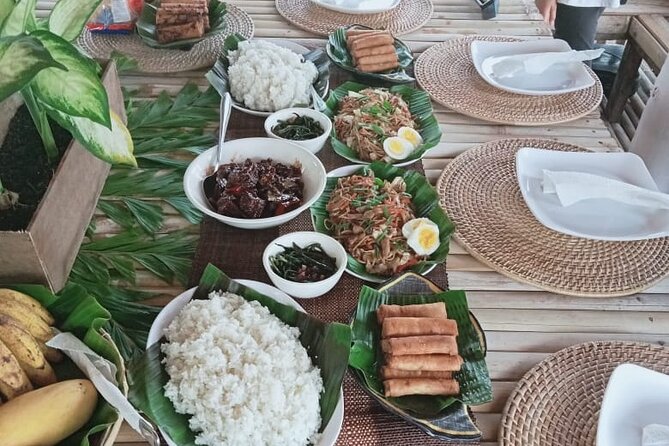
Reviewed · DESSERT TOURS
Bohol Chocolate Making and Farm Tour
Bohol’s Chocolate Hills are famous for their strange, rounded peaks. Just a short ride away, this private farm tour shows you the less expected side of the island: how cacao becomes chocolate. You’ll follow the process from tree to treat, taste fresh cacao fruit, and make chocolate with your own hands.
I like two things right away. First, the tour is practical rather than a quick farm photo stop. You see fermentation, sun drying, roasting, and molding in sequence. Second, your group gets private transportation and chocolate-making equipment, so the experience can feel personal and easy to manage.
The main consideration is the price. At $88 per person, this is not a cheap snack stop, especially for a short activity. Its value depends on how much you want the private ride, guided education, hands-on work, and finished chocolate rather than simply a taste and a few photos.
Key points to know before booking
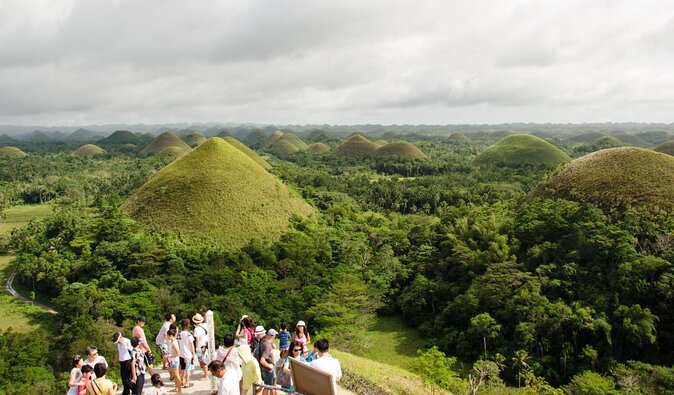
- The farm is near the Chocolate Hills: Allow about 30 minutes of travel from the Chocolate Hills complex to the cacao-growing area.
- You follow the full cacao process: The lesson covers planting and growing, harvesting, fermentation, sun drying, roasting, and molding.
- You make chocolate yourself: Equipment is provided, and you can taste the chocolate products you create.
- The tour is private: Only your own group participates, which is useful for families and friends who prefer a flexible pace.
- Tropical fruit may be included: Fresh cacao fruit and other fresh tropical fruits can form part of the tasting experience.
- The scheduled farm visit lasts about three hours: With transfers and other timing, plan on roughly five to six hours in total.
From Chocolate Hills scenery to a working cacao farm
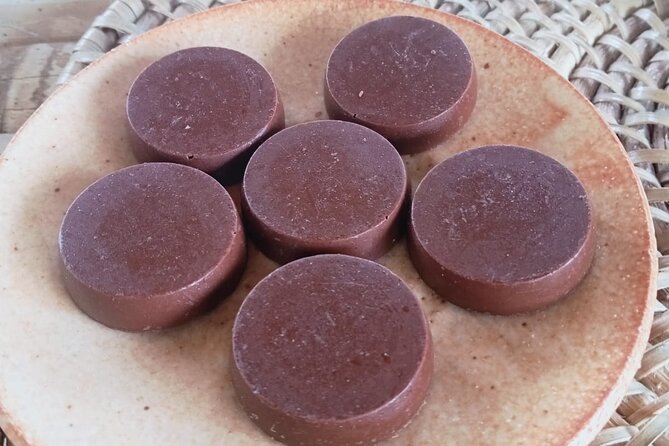
The experience begins with transport toward a cacao farm located a few minutes from the Bohol Chocolate Hills complex. The ride from the Chocolate Hills area is described as about 30 minutes, so this works well as an addition to a Chocolate Hills day rather than an isolated activity across the island.
I like the change in focus. The Chocolate Hills give you one of Bohol’s most recognizable sights, while the farm gives you something you can understand through touch, taste, and work. Instead of only looking at a finished bar, you get a clearer sense of the plant and the many steps required before cacao becomes something sweet.
Private transportation is included, which matters in Bohol. You do not have to arrange a separate ride between the sightseeing area and the farm. Since this is a private activity, only your group takes part, making it a better fit for families, couples, or friends who want to ask questions without keeping up with strangers.
The full experience lasts approximately five to six hours, though the listed farm portion is about three hours. The difference likely allows for transportation and the surrounding schedule, but I would still leave a generous half-day rather than trying to squeeze this into a tight timetable.
A few more Bohol trips to weigh up
- Bohol: Premium Chocolate Hills, Tarsiers & River Experience
★ 4.7 · 804 reviews - Bohol: Chocolate Hills and Countryside Tour
★ 4.6 · 175 reviews - Bohol: Guided Chocolate Hills & Tarsiers Tour
★ 4.8 · 158 reviews
Seeing cacao before it becomes chocolate
The farm’s main lesson begins with the cacao tree. You learn how the crop is grown in a biodynamic setting on Bohol, then move through the stages that turn cacao fruit into chocolate.
The first surprise for many people is the fruit itself. Fresh cacao fruit is not the same as a chocolate bar. You may taste the fruit around the beans, giving you a direct connection to the crop before processing begins. Fresh tropical fruit tasting may also be included, adding a pleasant local-food element to the farm visit.
From there, the guide explains harvesting. Cacao beans do not simply come off a tree ready for roasting. They need careful handling and several changes before they develop the qualities associated with chocolate.
The tour also covers fermentation. This is an important step because the beans are not ready to roast immediately after harvest. Fermentation helps prepare them for the flavor changes that later occur during drying and roasting.
Next comes sun drying. You can see how the beans are prepared after fermentation and why moisture must be reduced before the next stage. The process connects the farm’s tropical setting with the final product in your hands.
I appreciate this order because it makes the lesson easy to follow. Each stage answers the question raised by the stage before it: the fruit leads to the beans, the beans require fermentation, fermented beans need drying, and dried beans can then be roasted.
The hands-on chocolate-making session
The most engaging part is the move from watching to making. You use the provided equipment to work with the cacao and shape your own chocolate.
The information supplied does not specify every tool or the exact chocolate mold design, so I would not arrive expecting a particular recipe or complicated pastry class. Think of this as a guided introduction to chocolate production, with a clear hands-on finish.
Roasting is part of the process. This gives you a useful point of comparison between raw cacao and the material used for chocolate making. You then continue toward molding, creating chocolate products that you can taste and take home.
That take-home result adds value. You are not only listening to a farm explanation and leaving with a memory card full of pictures. You leave with something connected to the work you did during the visit.
I would especially recommend this portion for children old enough to follow instructions and for adults who enjoy food experiences. It gives the tour a purpose beyond sightseeing. The work is simple enough to be family-friendly, yet it still teaches a real production process.
The session also helps explain why chocolate costs more than its ingredients might suggest. Growing cacao, preparing beans, drying them, roasting them, and shaping the final product all require time and care. Even a short visit can make a familiar treat feel less ordinary.
What makes the private format useful
A private tour changes the feel of the day. Your group does not have to share the activity with a large mixed crowd, and the schedule is not built around strangers. That can be a real benefit if you are traveling with children, older family members, or people who want to ask many questions.
It also suits a group with different interests. One person may want to focus on farming, another on the tasting, and another on making the final chocolate. A private setting makes it easier to give attention to each part without worrying about holding up a larger party.
The tradeoff is cost. Private transportation and a private activity help explain the $88 per-person price, but the value is strongest when two or more people in your party are genuinely interested in cacao. If you only want a quick chocolate sample, this is more time and money than you need.
Group discounts are offered, so larger parties should check the final price before deciding. The per-person cost may make more sense for a family or friend group than for a solo visitor.
Same islands, a completely different day on the water:
- Bohol: Boat Tour to Sandbar and Snorkeling with Turtles
★ 4.3 · 186 reviews - Bohol: Dolphin Watching & Sea Turtle Swim Island Tour
★ 4.2 · 159 reviews - Bohol: Waterfall Hopping & Secret Jungle Trails Guided Tour
★ 4.7 · 158 reviews - Chocolate hills tour with Tarsier & Loboc river Buffet Lunch (half-day tour)
★ 5.0 · 152 reviews
Timing the farm visit around Bohol
The farm is open Monday through Sunday from 7:30 a.m. to 3:30 p.m. The broad daily schedule gives you room to place the tour in a morning or afternoon plan, though the total five to six hours means you should not book it beside several fixed-time activities.
A morning start can leave the rest of your day open, while an afternoon start may work after another Bohol stop. The best choice depends on your pickup time and the rest of your plans. Since the tour includes transport, I would confirm the meeting details and allow some breathing room around the activity.
The farm portion is listed at three hours. That is long enough for a proper explanation and hands-on work, but not so long that the subject is likely to become tiring for most people. The complete outing takes roughly half a day once travel is included.
The farm’s location near the Chocolate Hills makes the pairing logical. If you already plan to visit the hills, this tour adds a food and agriculture experience without sending you to a distant part of Bohol. I would avoid treating it as a rushed add-on, though. Chocolate making has several stages, and the point is to understand the process rather than hurry through it.
Is $88 per person a fair price?
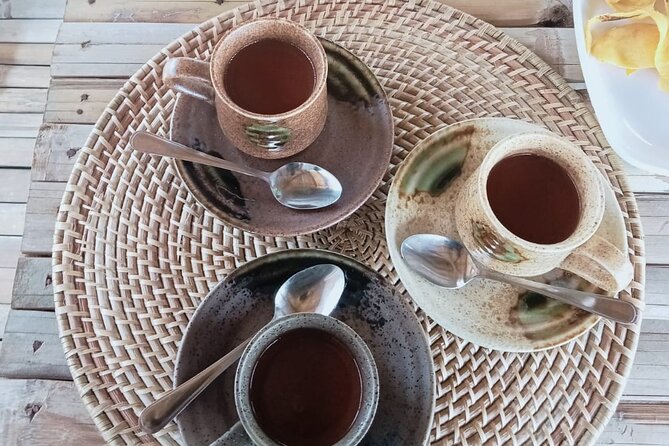
The $88 price needs to be judged as a private half-day experience, not as the price of a chocolate tasting. The package includes private transportation, use of chocolate-making equipment, snacks, and the farm visit. You also get the guided process from cacao tree to finished treat.
That is a reasonable package for someone who values convenience and participation. You do not need to arrange separate transport, find a cacao farm on your own, or buy equipment for a one-time activity. The take-home chocolate gives the day a physical souvenir rather than only a story.
Still, the cost is high if your main goal is a short farm walk. The farm visit itself is about three hours, and the tour does not promise a large meal, extensive sightseeing, or a broad Bohol route. Snacks are included, but I would not treat this as a substitute for lunch.
The price makes the most sense for a private group that wants an educational food activity. It is less compelling for someone on a tight budget or someone who has already taken a detailed cacao workshop elsewhere.
Who will enjoy this most?
I would choose this for chocolate lovers, families, and anyone who prefers to learn by doing. The subject is easy to enjoy, but the process is also substantial enough to hold the attention of adults who want more than a tasting.
It is a good option if you have already seen the Chocolate Hills and want a second activity nearby. The farm shows a side of Bohol that is tied to local agriculture rather than only major viewpoints.
The tour can also suit people who like small-scale food production. You learn about growing, harvesting, fermentation, drying, roasting, and molding in one connected lesson. That makes it more useful than a simple visit to a shop selling finished bars.
I would think twice if you dislike structured demonstrations, hands-on food work, or sweet tastings. The tour is built around the cacao process, so there is no reason to book it unless that subject interests you.
Practical details that affect your day
Pickup is offered, and private transportation is included. The exact pickup point should be confirmed when booking, since the information provided names the farm area and Chocolate Hills route but does not give one universal pickup address.
Mobile tickets are available, and confirmation is sent at the time of booking. Most people can participate. The activity is private, so only your own group joins the tour.
Snacks are included, but no full meal is specified. I would eat normally before or after the visit and use the snacks as a small addition to the day.
The experience operates during the stated period from October 15, 2023, through February 13, 2027, every day of the week. Since hours run from 7:30 a.m. to 3:30 p.m., check the selected start time carefully before you finalize the rest of your Bohol schedule.
Free cancellation is available if you cancel at least 24 hours before the experience start time. A cancellation made less than 24 hours in advance is not refundable, and late changes are not accepted. The cut-off follows local time.
How the tour compares with a standard sightseeing stop
A regular Chocolate Hills visit is mainly about scenery. You arrive, look out over the unusual hills, take pictures, and continue to the next stop. This farm tour gives you a slower, more practical activity nearby.
The two experiences work well together because they offer different kinds of attention. At the hills, you look outward across Bohol. At the farm, you look closely at a crop and handle the material that becomes chocolate.
The farm does not replace the Chocolate Hills viewpoint, and the Chocolate Hills do not explain cacao production. If you have enough time, combining them gives your day more variety.
I also like that the farm visit connects a popular tourist area with a working agricultural subject. It can be easy to see Bohol only through its famous sights. Learning how cacao is grown and processed gives you a better sense of the island’s food economy and rural character, without requiring a long remote excursion.
My recommendation for booking
I would book the Bohol Chocolate Making and Farm Tour if you want a private, educational half-day centered on food. The strongest reasons are the full tree-to-treat explanation, the chance to taste fresh cacao fruit, and the opportunity to roast, mold, taste, and take home chocolate you helped make.
I would skip it if you want the cheapest possible activity or only a quick stop near the Chocolate Hills. At $88 per person, the tour earns its price through private transport, equipment, snacks, and guided participation, not through the length of the farm walk alone.
For families and small groups, it is an easy recommendation. For solo visitors, compare the price with your budget and interest level. If chocolate is one of your favorite foods and you want to understand what lies behind the finished bar, this is one of Bohol’s more hands-on choices.
FAQ
How long does the Bohol Chocolate Making and Farm Tour last?
The complete experience takes approximately five to six hours. The farm visit itself is listed as about three hours, with travel and other timing included in the overall duration.
Where does the farm tour take place?
The cacao farm is located in Bohol, just a few minutes from the Chocolate Hills complex. The travel time from the Chocolate Hills area is described as about 30 minutes.
Is transportation included?
Yes. Private transportation is included, and pickup is offered.
Is this a private tour?
Yes. Only your own group participates in this private activity.
What will I learn during the tour?
You will learn about cacao trees, growing cacao, tasting fresh cacao fruit, harvesting, fermentation, sun drying, roasting, and molding chocolate.
Can I make chocolate during the experience?
Yes. Chocolate-making equipment is provided, and you can taste the products you make. You can also take your own chocolate home.
Are food and snacks included?
Snacks are included. The experience may also include fresh tropical fruit tasting. No full meal is specified.
What is the cancellation policy?
You can cancel for a full refund if you do so at least 24 hours before the experience start time. Cancellations or changes made less than 24 hours in advance are not accepted for a refund.
Just added around Bohol
- Kalanggaman Island Day Tour Package from Cebu City or Mactan★ 3.0 · 6 reviews
- Kawasan Falls and Mantayupan Falls in One Day from Cebu★ 5.0 · 5 reviews
- 2025 Tarsier, Waterfalls & Chocolate Hills Tour★ 5.0 · 3 reviews
- Kawasan Canyoneering Adventure Package from Cebu★ 5.0 · 11 reviews
- Exclusive Bohol,Philippines Chocolate Hills-Tarsier Tour★ 4.5 · 5 reviews
- Famous Bohol Chocolate Hills Loboc River Cruise Tarsier Tour★ 4.0 · 5 reviews
- Bohol Firefly Watching (Private)★ 4.5 · 7 reviews
- BOHOL Tour 2026 – Chocolate Hills, Tarsier and River Cruise Lunch★ 5.0 · 5 reviews
Dessert Tours, compared.

Premium Chocolate Hills, Tarsiers & River Experience
Read our review →
Chocolate hills tour with Tarsier & Loboc river Buffet Lunch (half-day tour)
Read our review →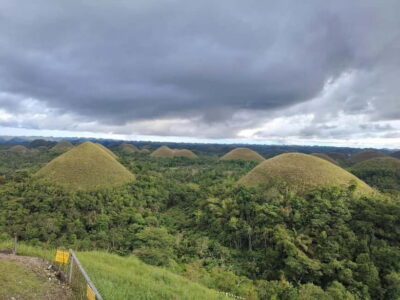
Chocolate Hills, Tarsiers and Loboc River Day Tour
Read our review →
Chocolate Hills Tour with Loboc River Cruise & Lunch
Read our review →
Budget Chocolate Hills & Tarsiers -Backpacker Special
Read our review →
Bohol Private Tour: Chocolate Hills, Tarsiers & Loboc River
Read our review →Browse the lists this tour appears in