
Reviewed · CITY TOURS
Mactan and Cebu Twin City Tour with Lunch
Cebu’s story comes at you quickly on this private twin-city tour. In one day, you move from Magellan’s Cross and the Basilica of the Holy Child to a 300-year-old home, a hilltop Taoist temple, and Mactan Island’s Lapu-Lapu shrine. Guides such as Miss Belle, Liz, and Annabelle have been praised for making the history easy to follow, while drivers like Carlo handle Cebu’s famously difficult traffic.
I like the wide range of stops and the fact that hotel pickup, transport, a guide, and admission fees are covered. I also like the personal touch: the guitar factory gives you a look at a living local craft, not just another monument. The main drawback is the pace. Seven hours is enough for an overview, but traffic and several stops mean you will not linger everywhere.
Key points to know before booking
- Magellan’s Cross and the Basilica of the Holy Child give you a compact introduction to Cebu’s Spanish and Catholic past.
- The private format lets your guide explain the sites at your pace, with English and Japanese available.
- The Yap Ancestral House adds household history and antique objects to the usual list of churches and forts.
- The Taoist Temple provides a quiet break and views toward Cebu City, Mandaue, and Lapu-Lapu.
- Mactan Island completes the story, linking Spanish arrival with the local resistance led by Datu Lapu-Lapu.
- A guitar factory visit brings Filipino craftsmanship into an otherwise history-focused day.
A seven-hour introduction to two Cebu cities
This is best understood as a broad first look rather than a slow museum tour. You begin in Cebu City, then cross to Mactan Island, covering major sites in both places with a private vehicle and guide.
The private-group setup matters in Cebu. Traffic can be heavy, and the route includes several parts of the metro area. A capable driver saves time and removes the strain of finding each stop yourself. Carlo has received particular praise for steering through difficult traffic, and the guides named for this tour include Miss Belle, Liz, and Annabelle.
The tour lasts about seven hours. That makes it a practical choice if you have one full day in Cebu, a short stay, or a desire to get your bearings before exploring on your own. It is less suitable if you prefer spending half a day in one church or reading every museum label at length.
Hotel pickup and drop-off in Cebu City are included. The stated price is $116 per person, which is not the cheapest way to see Cebu, but the cost covers private transport, a live guide, entrance fees, and lunch when you choose the lunch-inclusive option. For a couple or family that values door-to-door service, the price can make sense. Solo visitors should compare it with a shared tour, since a private vehicle costs more per person but gives you a calmer day.
A few more Cebu trips to weigh up
- Cebu City: Bohol Countryside Tour with Loboc Cruise Lunch
★ 4.5 · 488 reviews - Canyoneering Experience in Kawasan Falls with Lunch
★ 5.0 · 440 reviews - Cebu: Kawasan Falls Canyoneering Tour with Ziplining & Lunch
★ 4.8 · 259 reviews
Magellan’s Cross and the beginning of Spanish Cebu
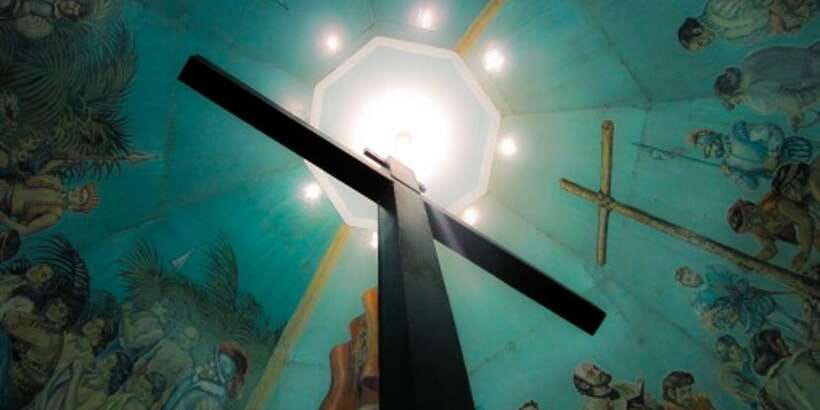
The first major stop is Magellan’s Cross, Cebu’s most famous landmark. The cross is housed in a small chapel and is said to mark the place where Ferdinand Magellan planted a cross after arriving in the Philippines in 1521.
This is a small site, so do not expect a long visit. Its value comes from the meaning attached to it. The cross connects Cebu to the arrival of Spanish influence and to the beginning of Christianity’s spread in the islands. Your guide can place the object in the larger story, which is more useful than simply taking a quick photograph and moving on.
The setting can feel busy, especially because the landmark is so well known. Keep your expectations realistic: this is a short, symbolic stop, not a large archaeological complex. It works well at the start of the day because it gives you a date and a storyline for the sites that follow.
The Basilica of the Holy Child and Cebu’s oldest Catholic tradition
Just a few steps away is the Basilica of the Holy Child, also known as the Basilica Minore del Santo Niño. The church was founded by Augustinians and became a basilica in 1965, during the 400th anniversary celebrations of Christianity in the Philippines.
The building is made from hewn stone, and the church holds the figure of the Holy Child of Cebu, described as the country’s oldest religious relic. It was also the first church established in the islands. Those details make this more than a quick church visit, especially if you are interested in how religion shaped Cebu’s development.
Allow your guide to explain the connection between the Santo Niño image, the Spanish arrival, and the continuing importance of the church. Dress and behave respectfully, as this is an active religious place rather than a preserved monument alone.
The basilica is close to Magellan’s Cross, so the two visits fit neatly together. That convenience also means the opening portion of the tour can feel concentrated. You are seeing several major symbols in a small area before moving on.
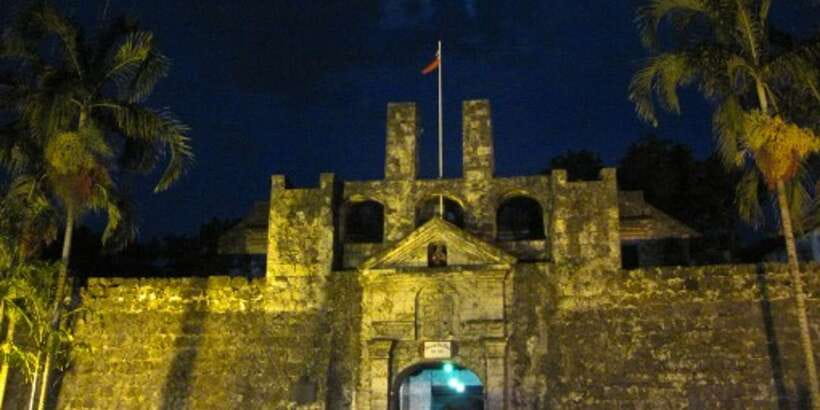
Fort San Pedro, built for defense
Fort San Pedro introduces the military side of Cebu’s colonial past. It was built by Spanish and indigenous Cebuano laborers, making it a useful reminder that colonial sites were created through local work as well as foreign rule.
The fort is a more physical stop than the cross or basilica. Its walls and defensive purpose help you picture how the Spanish presence was protected. Your guide’s explanation is important here because the architecture alone does not tell the full story.
Do not expect a vast fortress complex. Fort San Pedro is a focused visit, and its value lies in the setting and the historical connection. Together with the basilica and Magellan’s Cross, it creates a compact introduction to Cebu’s 16th-century transformation.
Same islands, a completely different day on the water:
- Cebu City: Whale Shark Swimming & Kawasan Falls Canyoneering
★ 4.7 · 665 reviews - Cebu: Oslob Whale Sharks, Tumalog Falls & Sardine Snorkeling
★ 4.3 · 343 reviews - Cebu: Whale Shark Swim and Kawasan Canyoneering Tour
★ 4.6 · 318 reviews - Cebu: Oslob Whale Sharks, Moalboal Sardine Run & Turtles
★ 4.5 · 266 reviews
The Yap Ancestral House, where history becomes domestic
The Yap Ancestral House changes the mood. Instead of focusing on churches, explorers, and defense, you enter a 300-year-old home filled with antiques from a private collection.
This stop is valuable because it brings history down to household scale. Furniture, objects, and room arrangements can show how people lived and what they chose to preserve. A home also gives you a different way to think about Cebu’s past, away from the grand events attached to colonial landmarks.
The house is described as having been converted into a showcase for antiques. That means the focus is on the collection and the character of the building, not on a full modern museum experience. If you like old homes and personal objects, this may be one of the most rewarding stops. If you prefer major public monuments, it may feel quieter and less immediately dramatic.
Cebu Taoist Temple and the best city views
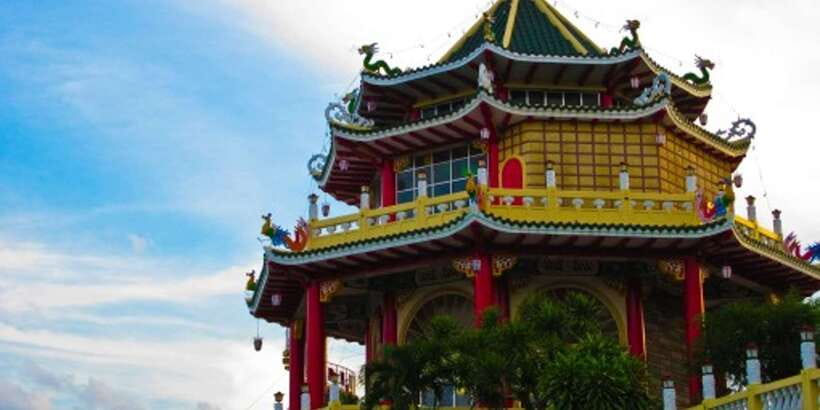
After the central historical sites, the route heads to the Cebu Taoist Temple. This is the tour’s peaceful pause, with views toward Cebu City and the nearby cities of Mandaue and Lapu-Lapu.
The setting adds variety to the day. You have been looking at dense historical sites and urban streets, then suddenly have a place to slow down and look across the wider city. The temple also introduces a different religious tradition from the Catholic sites earlier in the itinerary.
The view is one of the main reasons to value this stop. It helps you understand that Cebu is not just a collection of old landmarks. It is a large urban area spreading across Cebu and Mactan, with Mandaue and Lapu-Lapu nearby.
The temple visit is described as peaceful, but the tour does not promise a long religious or cultural program. Treat it as a respectful sightseeing stop and viewpoint. Since it follows several historical locations, the change of pace is welcome.
Lunch at a local restaurant
Lunch comes after the Taoist Temple. The tour description places it at a local restaurant, and the lunch option is included in the booking choice rather than automatically applying to every version of the tour.
The meal can be substantial. One itinerary included the PUSO buffet, where the food selection was described as generous and the staff attentive. You should confirm the exact lunch option when booking, especially if you have dietary needs or want to know whether drinks are included. Snacks and drinks are not included.
Lunch is more than a practical break. It gives you time to sit down with your guide and ask about Cebu’s culture and daily life. Liz has been praised for explaining local history, culture, and the way of life on Cebu in a clear, friendly manner. That kind of conversation can add meaning to the formal stops.
Still, lunch is not a food tour. The experience is built around sightseeing, and the restaurant may be selected for convenience and group service. Choose the lunch-inclusive version for ease, not for a specialized culinary program.
Crossing Marcelo Fernan Bridge to Mactan Island
After lunch, you cross Marcelo Fernan Bridge to Mactan Island. The bridge links Cebu City with Mactan, where the tour’s final sites take place.
This transfer helps the day feel like a true twin-city outing rather than a Cebu City circuit. It also shows how closely connected the two urban areas are. The route can take time if traffic is slow, so the private vehicle and experienced driver become especially useful here.
Do not judge the tour by the time spent on the road. The crossing is necessary to connect the historical center with Mactan’s own story. It also sets up the final contrast between Magellan’s arrival and the local leader who opposed him.
Lapu-Lapu shrine and the local side of the story
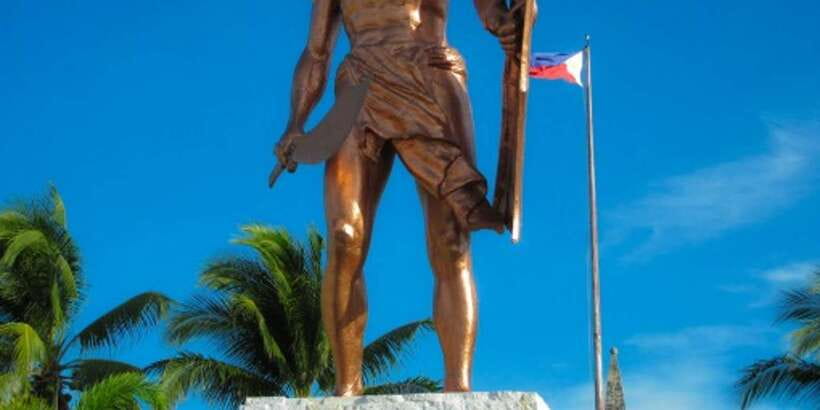
The Lapu-Lapu shrine is marked by a 20-meter bronze statue honoring Datu Lapu-Lapu, the indigenous hero associated with resistance to Magellan.
This is an important balance to the day. The tour begins with Magellan’s Cross, but it does not leave the story there. At the shrine, you encounter the local figure connected with the defeat of Magellan. Seeing both sites helps you understand that Cebu’s 1521 story has more than one viewpoint.
The statue is large and easy to appreciate quickly, but the historical meaning deserves your guide’s explanation. Ask about the connection between Lapu-Lapu, Mactan, and Magellan if it is not already covered. A good guide can help you avoid reducing the event to a simple hero-versus-villain tale.
As with the earlier stops, this is not a long archaeological visit. The shrine is a symbol and a place of remembrance. Its strongest value comes from how it completes the historical thread begun in central Cebu.
A Philippine guitar factory and a practical local craft
The final stop is a local guitar factory, where you can see how traditional Philippine guitars are made. This is one of the tour’s most appealing details because it shifts from history to working craft.
You should not expect a full workshop course or a guaranteed chance to make an instrument yourself. The stated experience is a visit to see the production process. Even so, it gives you something tangible to remember beyond churches and monuments.
The guitar stop also makes the itinerary feel less formal. You see how a traditional product is made and gain a more everyday connection to the islands. For many people, this will be more memorable than another brief photo stop.
The exact amount of time at the factory is not provided, so keep your expectations flexible. If buying a guitar or other item matters to you, ask the guide about the available products and payment arrangements rather than assuming a purchase is part of the tour.
Guides, drivers, and the private format
The strongest part of this experience is likely to be the human service. Miss Belle, Liz, and Annabelle are the guides identified with the tour, and their strengths include clear historical explanations, friendly conversation, flexibility, and professional organization.
The driver matters just as much. Cebu traffic can be difficult, and a private vehicle gives you a practical advantage over arranging separate taxis between every site. Carlo has been singled out for skilled driving, though no particular guide and driver pairing is guaranteed.
English and Japanese guiding are available. The group is private, so you are not sharing the vehicle with an unknown crowd. That makes it easier to ask questions, adjust the pace where possible, and spend more time at the stops that interest you.
Private does not mean completely custom. The listed route is full, and the day still needs to fit within roughly seven hours. Traffic, church activity, and the time needed to cross to Mactan can affect how long you stay at each location.
Is $116 per person a fair price?
At $116 per person, this is a service-focused way to see Cebu and Mactan. You are paying for convenience as much as sightseeing: hotel pickup and drop-off, private transportation, a live guide, admission fees, and lunch if selected.
The value is strongest for families, couples, first-time visitors, and anyone who does not want to negotiate transport in Cebu. It is also useful if you have only one open day and want both the historic center and Mactan covered.
The value is weaker if you are already comfortable using local transport, want to choose every stop yourself, or have a tight budget. You may also find the schedule too packed if your ideal day involves lingering at one museum or church.
Free cancellation up to 24 hours before the tour and reserve-now, pay-later booking add flexibility. Those policies do not change the price, but they reduce the risk of committing while your plans are still moving.
Who should book this Cebu and Mactan tour?
I would choose this tour if you want a clear first look at Cebu, prefer private transport, and enjoy having a guide connect separate sites into one story. It is particularly useful for visitors staying in Cebu City who want hotel pickup and a full day without planning every transfer.
It suits history-minded visitors, but it is not only for them. The Taoist Temple, city views, lunch, bridge crossing, shrine, and guitar factory keep the day varied. Families can also benefit from the changing subjects and short visits.
I would hesitate if you dislike vehicle time or prefer a slow, unstructured day. Traffic is an unavoidable part of seeing Cebu, and the seven-hour schedule covers a lot. Also check the lunch selection carefully, since drinks and snacks are not included and lunch depends on the option you choose.
FAQ
How long does the Mactan and Cebu Twin City Tour last?
The tour lasts seven hours.
What languages are available for the live guide?
The tour is available with an English- or Japanese-speaking guide.
Is this a private tour?
Yes. The experience is arranged for a private group.
Where does hotel pickup take place?
Pickup and drop-off are provided at your hotel in Cebu City.
Is lunch included?
Lunch is included if you select the lunch option. Snacks and drinks are not included.
What are the main historical sites visited?
The route includes Magellan’s Cross, the Basilica of the Holy Child, Fort San Pedro, and the Yap Ancestral House.
Does the tour visit Mactan Island?
Yes. You cross Marcelo Fernan Bridge to Mactan Island, visit the Lapu-Lapu shrine, and stop at a local guitar factory.
Can I cancel for a full refund?
You can cancel up to 24 hours in advance for a full refund.
Should you book it?
Book this tour if you want one well-organized day covering Cebu and Mactan, with a private vehicle and a guide to explain the background. The mix of Magellan’s Cross, the basilica, Fort San Pedro, Yap Ancestral House, Taoist Temple, Lapu-Lapu shrine, and guitar making gives you a useful first picture of the area.
Skip it if you want to explore at a very slow pace or keep costs as low as possible. For most first-time visitors with limited time, though, the convenience, personal guiding, and mix of major landmarks make the $116 price reasonable, especially when lunch and admissions are part of your selected option.
Just added around Cebu
- Whale Shark Watching & Tumalog Falls & Kawasan Falls★ 5.0 · 16 reviews
- Whale Shark Watching and Sumilon Sandbar Private Tour Package★ 5.0 · 17 reviews
- Whale Shark Watching with Sumilon Sandbar and Kawasan Falls Tour★ 5.0 · 8 reviews
- Full Day Shark Watching and Canyoneering in Cebu★ 5.0 · 15 reviews
- Cebu Whale Shark Encounter, Moalboal Sardines & Tumalog Falls★ 4.0 · 18 reviews
- Discover Scuba Diving★ 5.0 · 18 reviews
- Group Tour of Moalboal Sardines Run & Kawasan Canyoneering★ 4.5 · 9 reviews
- Transfer Cebu City – Bantayan Island★ 3.5 · 4 reviews
City Tours, compared.
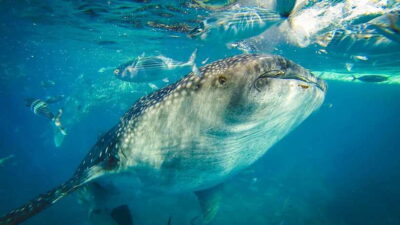
Whale Shark Swimming & Kawasan Falls Canyoneering
Read our review →
Bohol Countryside Tour with Loboc Cruise Lunch
Read our review →
Underground River Day Trip from Puerto Princesa City
Read our review →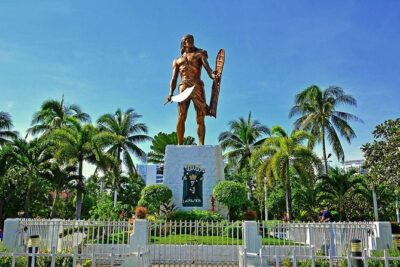
Private Cebu & Lapu-Lapu City Tour with Uphill Spots & Lunch at House of Lechon
Read our review →
Bohol Countryside Day Tour From Cebu City | Lunch at Loboc River Cruise
Read our review →
Full-Day Manila City, Tagaytay Taal Volcano and Lake Tour
Read our review →
Manila Ninoy Aquino Airport (MNL) Private Transfer to Manila City
Read our review →Browse the lists this tour appears in