
Reviewed · SCUBA DIVING
Bohol: Discover Scuba Diving – No Experience Needed
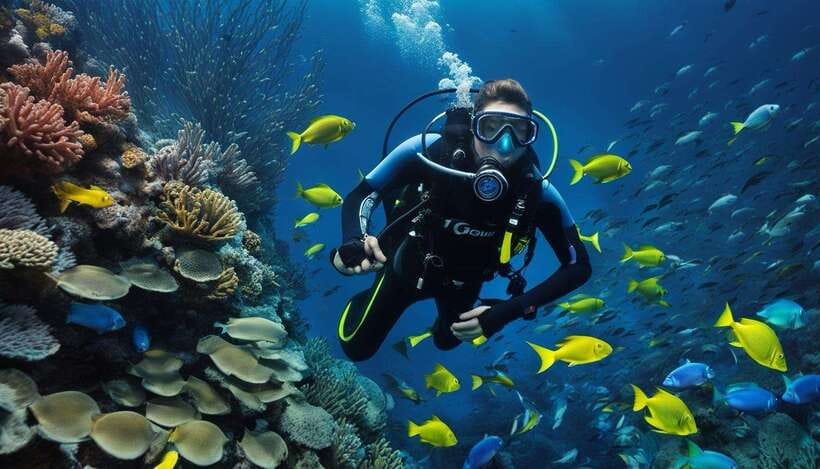
Panglao’s clear, warm water makes a gentle first step into scuba, and this three-hour session gives you time to learn before heading into the sea. I like the small group of up to 10 people and the fact that your instructor stays beside you during the open-water portion. I also like that underwater photos and videos are included, so your first time below the surface does not exist only in your memory.
The main consideration is that this is an introduction, not a certification course. You should have basic swimming skills, and the session still requires you to manage new equipment, breathing, and equalizing your ears. If you want a relaxed taste of scuba rather than a full qualification, this is a sensible half-day choice.
Key points to know before you book
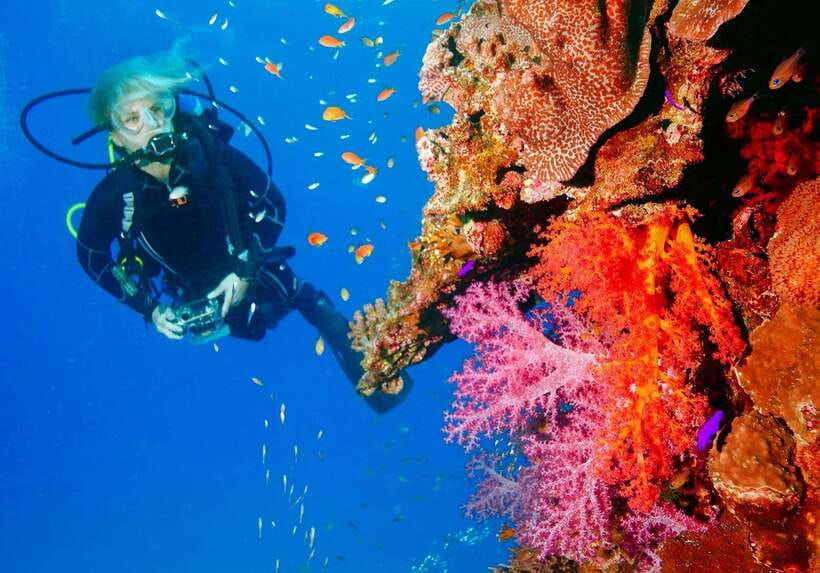
- A full 30-minute sea session is included: This is more than a pool demonstration, with a guided outing in Panglao’s coastal waters.
- You learn before you enter open water: The session includes about an hour of theory and an hour of shallow-water practice.
- Your instructor remains close: The pace can be adjusted to your comfort, which matters when you are handling a regulator and mask for the first time.
- Basic swimming ability is recommended: No license is needed, but you should feel reasonably comfortable in water.
- Underwater photos and videos come at no extra cost: A useful touch for a first experience, especially if you do not own an underwater camera.
- The $104 price covers the essentials: Equipment, boat transport, marine fees, and instruction are included, but transport to the center and a GoPro are extra.
Why Panglao works well for a first underwater session
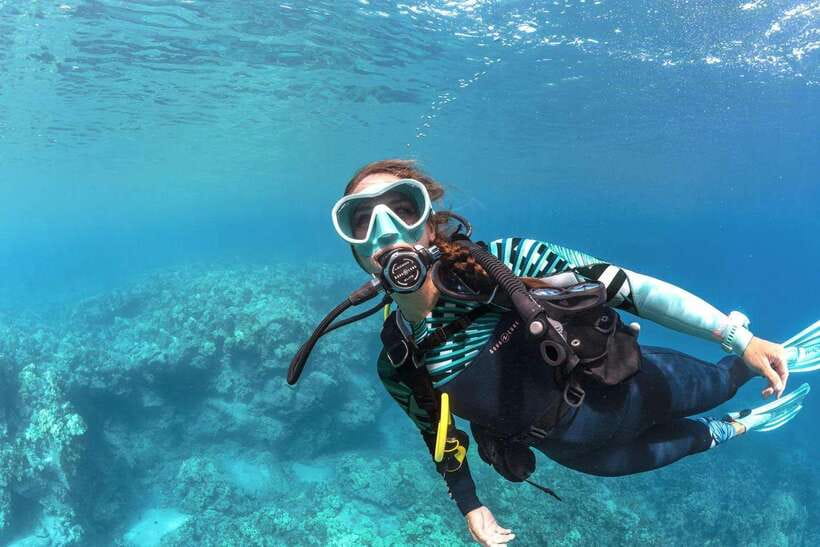
Panglao, on Bohol’s southwestern coast, is known for clear tropical water and accessible sea activities. For a beginner, the setting matters. You want warm water, simple logistics, and an instructor who can keep the first lesson from feeling like an exam.
This experience is built around that gradual approach. You do not arrive and immediately head out to sea with a tank strapped on. Instead, you start with basic information, practice the key skills in shallow water, and only then move to the open water portion.
That order is important. Scuba asks you to breathe through a regulator, communicate with hand signals, clear your ears, and stay aware of your equipment. None of those actions is difficult once they become familiar, but they can feel strange during the first few minutes. The shallow-water practice gives you a chance to get used to the sensation before the ocean adds movement and depth.
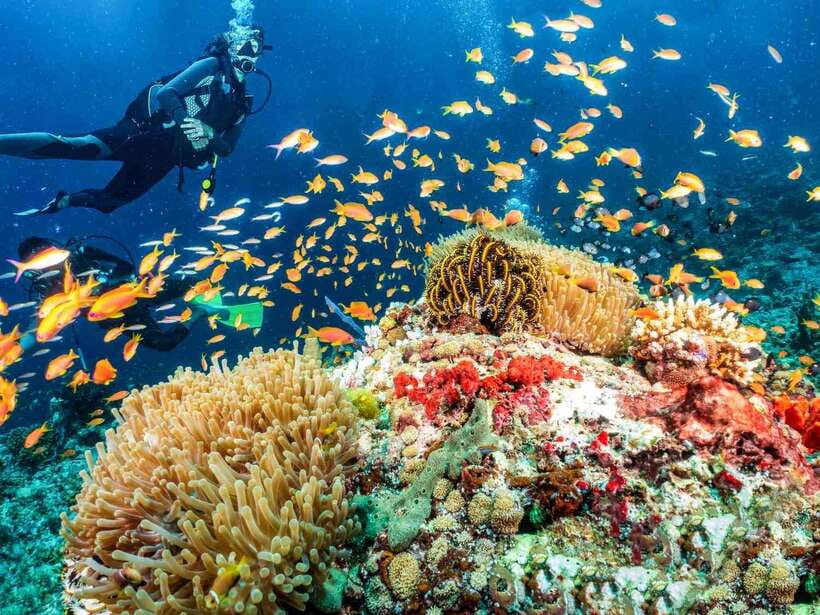
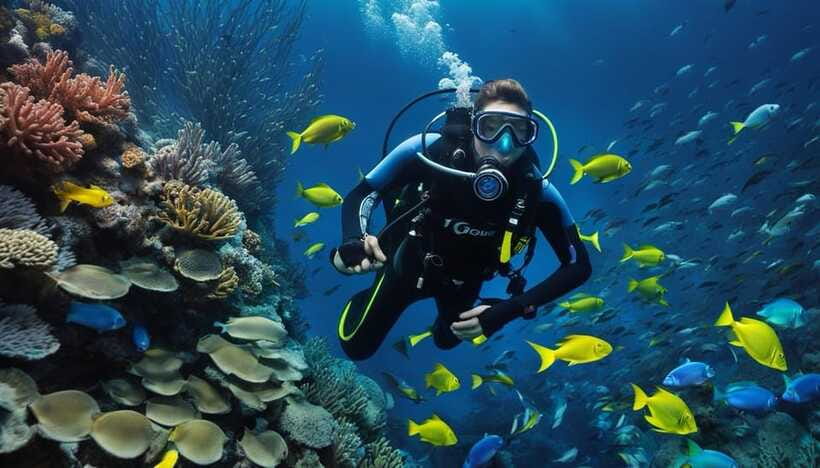
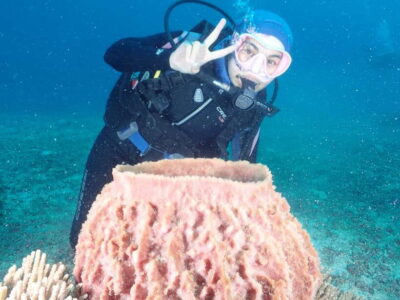
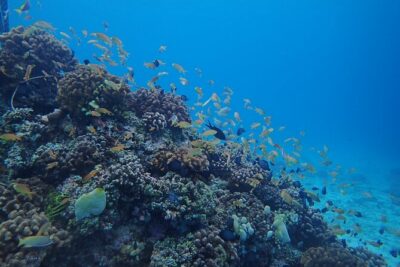
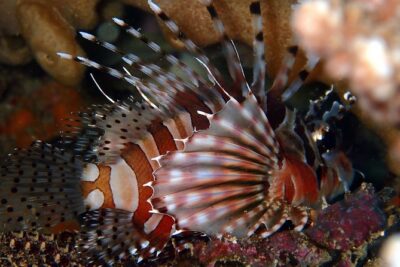
You may see coral, tropical fish, and, on some outings, sea turtles. Marine sightings cannot be guaranteed, so book this for the experience of learning to move underwater, not for one particular animal. The setting adds plenty, but the strongest part of the session is the careful introduction.
A few more Bohol trips to weigh up
- Panglao: Helmet Diving Experience with Photos and Videos
★ 5.0 · 3 reviews - Boracay: Helmet Diving Experience with Photos and Videos
★ 4.7 · 155 reviews - Cebu: Beach Scuba Diving Experience
★ 4.9 · 130 reviews
The first hour: simple theory with a practical purpose
The session begins with about an hour of scuba theory, supported by video. This is not classroom study for its own sake. It covers the information you need to understand what your body and equipment will do underwater.
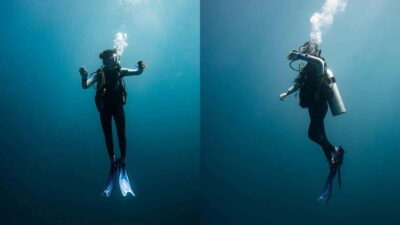
You learn basic hand signals, breathing methods, and safety rules. Hand signals are especially useful because normal conversation is not possible below the surface. You will need simple ways to communicate that you are fine, need to slow down, or have a problem.
Equalizing your ears is another point to take seriously. One useful tip from the session is to equalize your nose often as you descend, rather than waiting for discomfort. This small habit can make the difference between a smooth first attempt and an uncomfortable one.
The theory portion also helps you understand why the instructor gives certain instructions. That can reduce nerves. Instead of simply being told to do something with the mask, regulator, or breathing, you get the basic reason behind it.
I would pay close attention here, even if the material seems easy. The open-water portion is more enjoyable when you are not trying to remember a hand signal or safety rule at the same time as you are admiring the fish.
Shallow-water practice before the boat ride
After the theory portion, you spend about an hour practicing in shallow water with a professional instructor. This is where the experience becomes physical and real.
You get used to the mask, wetsuit, regulator, and other equipment before moving farther from shore. The goal is not speed. You practice breathing and essential skills while the instructor watches and helps you adjust.
For a nervous first-timer, this is probably the most valuable part of the schedule. The equipment can look complicated when it is laid out, but it becomes less intimidating once you are wearing it and breathing normally. The instructor can correct small problems before they become bigger concerns in open water.
The shallow section also gives you a chance to judge your own comfort. Some people feel relaxed quickly. Others need extra time to settle into breathing through the regulator. The experience is designed to move at a comfortable pace, so tell the instructor if you need a pause or a clearer explanation.
There is a practical limit, though. Three hours is enough for an introduction, not endless practice. If you are very anxious in water or have never been comfortable swimming, you may find the session more demanding than someone with basic swimming confidence.
The 30-minute open-water outing
Once you are ready, you take part in a guided ocean session lasting around 30 minutes. You stay within beginner-safe depths, and the instructor remains close throughout.
That close supervision is a major reason this experience suits newcomers. You are not expected to navigate alone, choose your own route, or manage the group. Your job is to follow instructions, keep breathing steadily, watch your surroundings, and communicate with hand signals when needed.
The sea adds a different feel from shallow water. You may notice more movement, changing light, and a greater sense of space. This is also the part where coral and fish become the focus, with sea turtles possible on some outings.
The session is long enough to give you a proper taste of scuba without turning the day into a major physical commitment. Thirty minutes underwater can feel surprisingly substantial when you are learning. It also leaves room afterward for the experience to end before fatigue takes over.
Do not treat the 30 minutes as a promise of nonstop wildlife viewing. Conditions and marine life change. The more reliable value is the chance to put your new skills together in the sea, with guidance close at hand.
Same islands, a completely different day on the water:
- Bohol: Premium Chocolate Hills, Tarsiers & River Experience
★ 4.7 · 804 reviews - Bohol: Boat Tour to Sandbar and Snorkeling with Turtles
★ 4.3 · 186 reviews - Bohol: Chocolate Hills and Countryside Tour
★ 4.6 · 175 reviews - Bohol: Dolphin Watching & Sea Turtle Swim Island Tour
★ 4.2 · 159 reviews
What the equipment and included costs mean
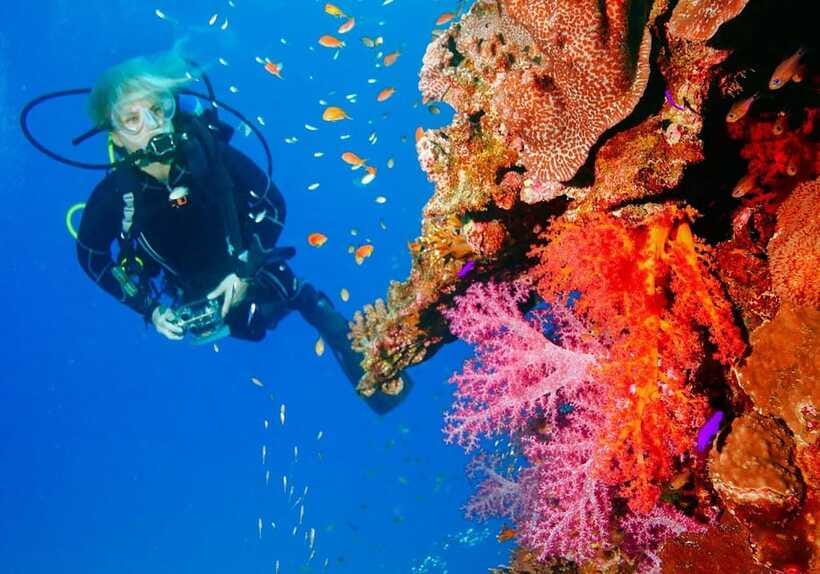
The $104 price per person includes the main costs that can make a first scuba outing more expensive than it first appears. You get the full set of diving equipment, including a wetsuit, mask, regulator, and related gear.
Boat transport and marine fees are also included. That matters because separate marine charges can complicate the final price of a water activity. Here, the listed cost covers those items along with the theory, shallow-water practice, instructor, and open-water session.
Underwater photos and videos are included too. This is a particularly nice feature for a first attempt. You can concentrate on breathing and following the instructor instead of worrying about holding a camera. The images also give you a record of what the experience looked like from below the surface.
A GoPro is not included. If you want to operate your own camera, you would need to arrange that separately, but I would not make filming your priority. First-time scuba requires attention. The included photos and videos let you stay focused while someone else handles the camera.
Transportation to and from the scuba center is also not included, though it can be arranged if requested. Confirm this before booking if your accommodation is not close by. The price is good value if you need the complete introduction, but the extra ground transport should be part of your budget.
A small group makes the teaching more personal
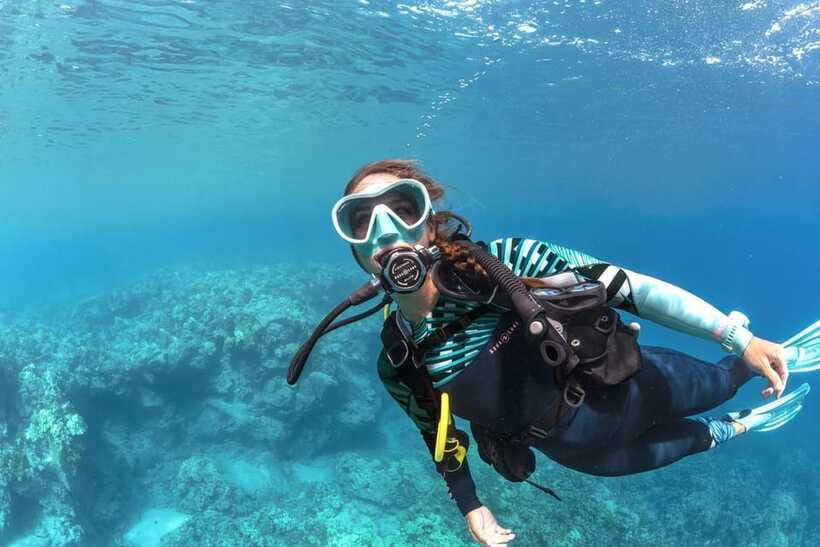
The group is limited to 10 participants. That is not a private lesson, but it is small enough to avoid the feel of a crowded water activity.
The instructor’s direct attention matters most during the shallow-water practice and the first minutes in the sea. You want help available when your mask feels awkward, your ears need equalizing, or you need the pace slowed down.
Group size can still affect the rhythm of the session. Some people may need more help than others, and a shared outing cannot move entirely at one person’s preferred speed. The limit of 10 keeps that issue manageable, but anyone seeking one-to-one instruction should ask about a private arrangement rather than assume it is included.
Instruction is available in English, Korean, and Tagalog. That gives you a useful choice when discussing safety instructions and comfort levels. Clear communication is not a small detail here. You should understand the hand signals, breathing guidance, and safety steps before entering open water.
How to make the most of your three hours
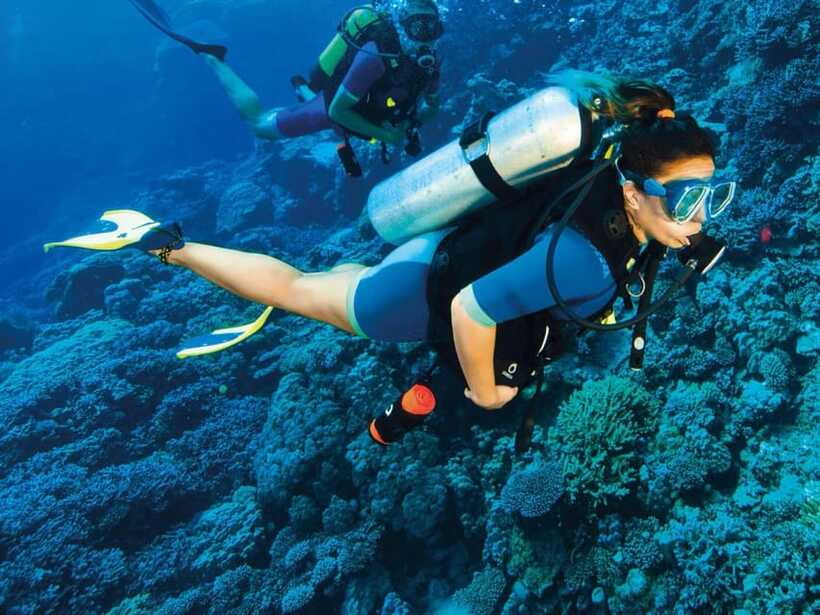
Arrive ready to listen and allow the instructor to set the pace. The first stage may seem basic, but understanding the equipment and signals will help you enjoy the sea portion more.
Tell the instructor if you feel nervous. The team has been described as patient and clear, and that kind of support is exactly what a beginner needs. Do not try to hide discomfort to keep up with the group. A short pause or repeated explanation is far better than forcing yourself through a problem.
Remember the equalizing tip: equalize your nose often as you go down. If you feel pressure, signal and ascend slightly with the instructor rather than pushing through it.
Use the shallow-water hour well. Practice breathing until it feels ordinary. Check that your mask is comfortable. Pay attention to how the instructor signals direction and reassurance. Those small preparations will make the 30-minute sea outing feel less like a test.
You should also plan your day around a three-hour activity, plus any transport time to and from the center. Starting times vary, so check availability before you settle on a schedule. The experience is short enough to fit beside other Bohol plans, but you should not squeeze it into a timetable with no flexibility.
Who will enjoy this experience most
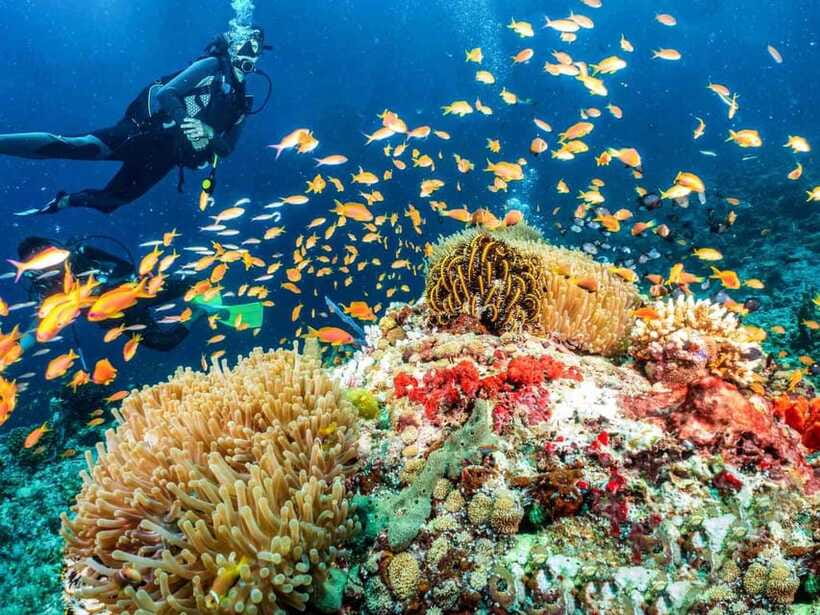
This is best for a first-timer who is curious about scuba but not ready to commit to a certification course. You get theory, supervised practice, and an actual sea outing in one half-day session.
It also suits people who want a guided introduction rather than an independent water activity. The instructor stays nearby, and the beginner-safe depth keeps the focus on comfort and basic skills.
Basic swimming ability is recommended. You do not need formal scuba experience or a license, but you should be prepared to stay calm in the water and follow instructions.
You may want a different option if your main goal is certification, extended bottom time, or a series of advanced marine sites. This experience is deliberately limited. It gives you a first taste, not the training needed to scuba independently.
It is also worth thinking about your nerves honestly. Feeling uncertain is normal, and the patient instruction is meant to help. But if you are not comfortable in water at all, the equipment and open-water setting may still feel like too much for one session.
Booking flexibility and practical value
The activity costs $104 per person and offers free cancellation up to 24 hours before the scheduled time. You can also reserve now and pay later, which helps if your Bohol plans are still shifting.
Those terms add value, but the bigger question is what the price includes. You are paying for a complete introduction with instruction, equipment, marine fees, boat transport, and underwater media. If you priced each part separately, the package would be harder to compare, so check carefully that competing experiences include the same items.
The missing pieces are ground transport to the center and a GoPro. These are easy to overlook. Ask about pickup if you need it, and do not assume a personal camera is supplied.
The five-star feedback available for this activity places special weight on patient staff, clear explanations, close supervision, and the underwater photos and videos. Those are the features I would value most too. A first scuba session should make you feel supported, not rushed, and this structure is built around that goal.
Should you book this Panglao scuba experience?
Book it if you want a carefully supervised first look at scuba in Bohol, have basic swimming skills, and like the idea of learning before entering the sea. The included equipment, marine fees, boat ride, and underwater photos make the $104 price reasonable for a complete half-day introduction.
Think twice if you want certification, a long underwater session, or a private instructor. Also check transport arrangements before you commit.
For a curious beginner, this is a practical choice. You get enough classroom and shallow-water preparation to build confidence, followed by a real 30-minute ocean experience with an instructor close by. That balance makes it a good way to find out if scuba belongs in your future travel plans.
FAQ
Do I need a scuba license or previous experience?
No. The activity is designed for first-timers, and no license, certification, or previous scuba experience is required.
Do I need to know how to swim?
Basic swimming skills are recommended. The activity does not state that advanced swimming ability is required.
How long does the experience last?
The full activity lasts three hours. It includes about one hour of theory, one hour of shallow-water practice, and a guided open-water session of around 30 minutes.
What is included in the price?
The price includes scuba instruction, a video-supported theory session, shallow-water practice, a 30-minute open-water session, full equipment, boat transport, marine fees, and complimentary underwater photos and videos.
Is transportation to the scuba center included?
No. Transportation to and from the scuba center is not included, but it can be organized if requested.
Can I cancel or pay later?
You can cancel up to 24 hours in advance for a full refund. You can also reserve your place and pay later.
Just added around Bohol
- Kalanggaman Island Day Tour Package from Cebu City or Mactan★ 3.0 · 6 reviews
- Kawasan Falls and Mantayupan Falls in One Day from Cebu★ 5.0 · 5 reviews
- 2025 Tarsier, Waterfalls & Chocolate Hills Tour★ 5.0 · 3 reviews
- Kawasan Canyoneering Adventure Package from Cebu★ 5.0 · 11 reviews
- Exclusive Bohol,Philippines Chocolate Hills-Tarsier Tour★ 4.5 · 5 reviews
- Famous Bohol Chocolate Hills Loboc River Cruise Tarsier Tour★ 4.0 · 5 reviews
- Bohol Firefly Watching (Private)★ 4.5 · 7 reviews
- BOHOL Tour 2026 – Chocolate Hills, Tarsier and River Cruise Lunch★ 5.0 · 5 reviews
Scuba Diving, compared.
Helmet Diving Experience with Photos and Videos
Read our review →
Discover Scuba Diving with Manta Rays in Sibaltan
Read our review →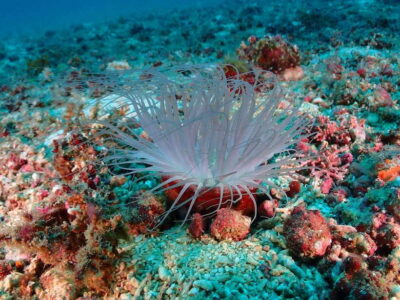
Browse the lists this tour appears in