
Reviewed · TUK-TUKS
Discover the Real Manila with Tuktuk and Jeepney
Manila’s most revealing sights are often away from its polished tourist zones. This two-hour outing takes you through Tondo’s local market and into Binondo, Manila’s old Chinatown, where daily life unfolds in crowded lanes, market stalls, and working neighborhoods. Guide Venus adds local context, and photography is included after the tour.
I like two things right away: the tour goes beyond the usual city checklist, and its small maximum of 10 people should make it easier to move through tight alleys. The included photos are another useful touch, especially if you want a record of the experience without spending the whole tour behind your own camera.
The main consideration is its subject matter. Tondo includes very poor living conditions, so this is not a light sightseeing stroll. You should come with respect, an open mind, and enough comfort with crowded streets and direct views of hardship.
Key points to know before booking
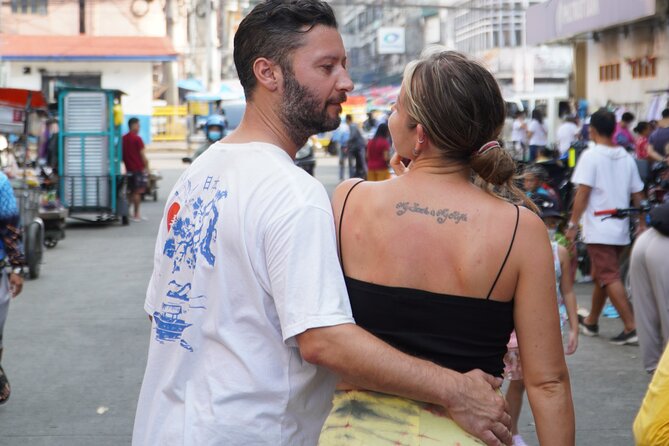
- Tondo gives you a direct look at working-class Manila: The Old Manila market is the starting point, with local vendors, produce, street scenes, and crowded lanes.
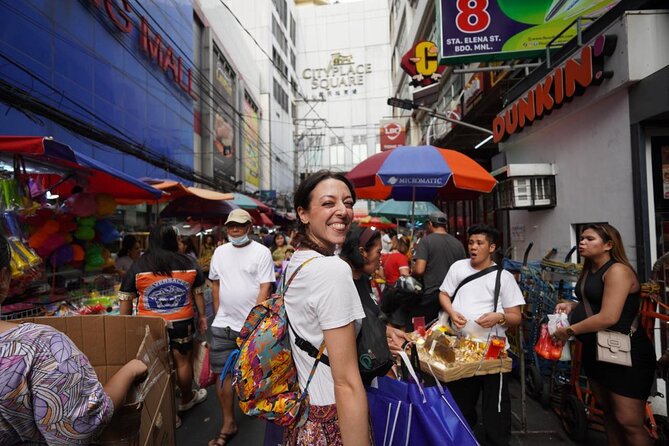
- Binondo adds a very different setting: Manila’s oldest Chinatown brings temples, market stalls, Chinese-Filipino culture, and narrow alleyways into the same two-hour outing.
- Venus is the named local guide: She leads the route through Tondo, Divisoria, and Chinatown, including areas that can be difficult to understand without local direction.
- Photography is part of the experience: You may bring an extra camera, and photos from the tour are sent to you afterward.
- The schedule suits a short Manila stay: Choose either 8:00 AM to 10:00 AM or 2:00 PM to 4:00 PM.
- The group is capped at 10 people: That matters in busy market areas, where a large group would be awkward and slow.
What this Manila tour is really about
This is not a grand tour of Manila’s monuments. It is a close look at the city as people experience it day to day, especially in Tondo and Binondo. You see commerce, housing, street movement, food activity, and neighborhood life rather than a polished version of the capital.
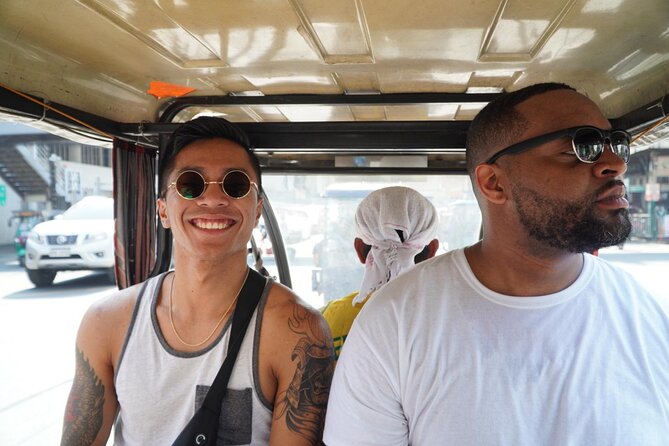
The route is described as a walking tour, with tuk-tuk and jeepney travel included in the experience name. The supplied details do not spell out exactly when or how those vehicles are used, so I would not book this expecting a fully vehicle-based sightseeing ride. The strongest part of the plan is the time on foot in local markets and alleyways.
That focus gives the outing its value. In two hours, you get a compact introduction to parts of Manila that many short-stay visitors might otherwise miss. It is especially useful if you have only a day or two in the city, or if you are passing through on a layover and want something more meaningful than a quick stop at a major landmark.
A few more Luzon trips to weigh up
- The Jeepney & Tuk Tuk Adventure ride with Local Guide
★ 4.5 · 4 reviews - Manila: Guided Tuk Tuk Ride
★ 4.8 · 57 reviews - Manila Tuktuk and Jeepney Ride Guided Tour
★ 4.9 · 16 reviews
Starting in Tondo’s Old Manila market
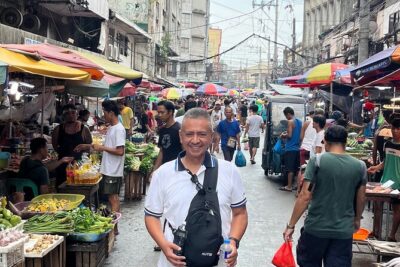
The tour begins in Tondo, at an old local market. This is where you encounter the strongest street scenes of the day: produce, vendors, narrow passages, customers, and the constant movement of a working market.
For photography, this is a natural first stop. Colorful goods and active street scenes give you plenty to frame, while the guide can help place those images in context. You are not simply walking past stalls and snapping pictures. The point is to understand how the market fits into neighborhood life.
Tondo is also the part of the tour that requires the most care in your attitude. The route presents the area’s severe poverty and difficult living conditions directly. That can be valuable, since it gives you a fuller view of Manila, but it can also feel uncomfortable.
I would avoid treating the neighborhood as a backdrop for spectacle. Ask before photographing people closely, follow Venus’s lead, and keep your attention on the community as well as on your own pictures. The included photography makes the experience more convenient, but it does not remove the need for courtesy.
The timing affects what you get from this stop. The morning option runs from 8:00 AM to 10:00 AM, while the afternoon option runs from 2:00 PM to 4:00 PM. The exact feel of the market may differ by time of day, but the tour information does not promise a specific market event or meal, so book it for the neighborhood access and local explanation rather than for a particular market product.
Seeing daily life in Tondo and Divisoria
The route also includes Divisoria, a major commercial area associated with dense shopping streets and local trade. The available details do not provide a separate stop length for Divisoria, so treat it as part of the route between Tondo and Binondo rather than as a standalone attraction with a fixed program.
This portion helps connect the market experience to the wider city. Tondo is not presented as an isolated pocket. It sits within a busy urban system where people shop, sell, commute, and make a living in close quarters.
You may find this section more visually demanding than a standard sightseeing walk. Crowded streets and tight alleys leave little room for a slow, carefully composed photo at every turn. That is part of the point, but it also means comfortable shoes, patience, and attention to your surroundings will make the outing easier.
The provider describes the area as safe for tourists and points to cleaner surroundings in parts of Manila. Still, the tone is direct rather than sheltered. You are being taken into ordinary neighborhoods, not placed behind a museum’s glass. Stay with the group, listen to the guide, and let the local guide decide how to handle each setting.
Entering Binondo, Manila’s oldest Chinatown
The second main stop is Binondo, described as the oldest Chinatown in Manila. Its streets offer a clear contrast with Tondo’s market and residential scenes, while still keeping the focus on everyday city life.
Here, you can expect ornate temples, market stalls, Chinese-Filipino cultural details, and narrow alleyways. The area provides a different set of photographic subjects and a different social history from the first part of the route.
Binondo works well as the tour’s second half because it broadens the picture of Manila. You begin with a neighborhood shaped by poverty and market work, then move into a district where Chinese-Filipino traditions, commerce, and urban streets meet. The two areas are not presented as separate tourist worlds. They form part of the same city.
The Chinatown stop is likely to appeal to you if you enjoy street photography or prefer neighborhoods to formal attractions. It also gives you a chance to notice smaller details: signs, architecture, food-related activity, alleyways, and the way people use public space.
Do not expect a long temple visit or a structured cultural lecture based on the information provided. The stated emphasis is on walking, photography, local surroundings, and learning about the culture of the people who live and work in these districts.
Same islands, a completely different day on the water:
- Manila Old and New: Sightseeing Tour Including Intramuros and Fort Santiago
★ 4.5 · 377 reviews - Manila’s Walled City: Intramuros Walking Tour
★ 5.0 · 82 reviews - Manila Filipino Cooking Class: Meryenda Favorites
★ 5.0 · 80 reviews - Batad Guided Tour
★ 5.0 · 78 reviews
What the photography package adds
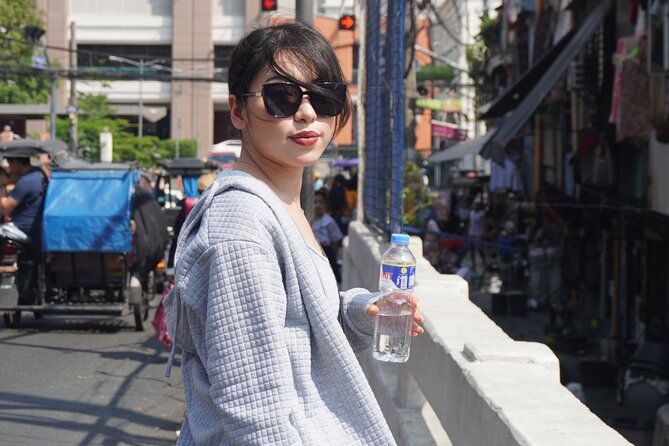
Photography is included, and the final images are sent to you after the experience. That is a genuine advantage for couples, families, or anyone who wants some photographs of the outing without asking strangers to take pictures.
The arrangement also changes how you can approach the walk. You can pay attention to Venus’s explanations and the surrounding streets instead of trying to document every moment yourself. If you have an extra camera, you are encouraged to bring it, but the included photography means you do not need special equipment to take home a visual record.
The details do not state how many photos you receive, what editing is included, or when they arrive. I would keep expectations sensible. Think of this as a useful record of your tour, not a private professional photo session with a guaranteed portrait package.
Photography can be sensitive in Tondo, so local judgment matters more than getting the perfect image. The best pictures from a neighborhood tour should show place and atmosphere without turning poverty into entertainment. Venus’s role is important here because she can guide you through situations that would be harder to read on your own.
Why the small group matters
The group maximum is 10 people. That is a practical size for Tondo’s market lanes and Binondo’s alleys, where a larger party would block passages and make conversation difficult.
A small group also gives you a better chance to hear local explanations. You can ask about what you are seeing, and the guide can keep the route moving without losing everyone in the crowd. It is not a private tour, but it should feel more personal than a large bus outing.
One family’s experience included children and parents who had grown up in the Philippines, yet still found the route different from the usual way of seeing Manila. That detail is useful. You do not need to be a first-time visitor to find value here. If you have family ties to the city or have seen Manila before, this route may still show you neighborhoods and daily routines you have not encountered.
For children, the key question is maturity. The subject of poverty is real and visible, and the walk may be crowded. Older children and teenagers who can listen respectfully may gain a lot from it. Very young children may find the setting tiring or confusing.
Is $85 a fair price for two hours?
At $85 per person, this is not a cheap short walk. The tour lasts about two hours, and admission to the market and Chinatown stops is free. So the price is not paying for entry tickets or a long list of monuments.
You are paying mainly for access, local guidance, the small group format, and the photography service. That can be worthwhile if you are in Manila briefly and want a focused introduction to Tondo and Binondo without trying to navigate the route alone. The value is strongest for visitors who care about context and local neighborhoods.
The price is harder to justify if you simply want a general Manila orientation or a cheap way to see Chinatown. You could spend two hours in Binondo without booking a tour, and the experience does not include a stated meal, entrance attraction, or extended vehicle ride.
I would judge the cost against your priorities. For a layover, paying more for a short, organized experience may save time and reduce the stress of deciding where to go. For a longer stay, you may prefer to compare it with other local tours or explore at your own pace.
Who should book this experience
I would recommend it most strongly to you if you:
- Have only one or two days in Manila
- Are on a layover and want a structured two-hour outing
- Prefer markets, alleys, and neighborhoods to formal attractions
- Want to see a less polished side of the capital
- Enjoy street photography
- Appreciate a local guide who can explain sensitive social conditions
- Are comfortable discussing poverty with respect
- Want a small group rather than a large organized tour
It may not suit you if you want a relaxed sightseeing ride, a landmark-heavy itinerary, or a tour centered on food and shopping. The experience is also not ideal if you are uncomfortable seeing severe poverty or photographing in crowded working neighborhoods.
Families can consider it, since children and parents have taken part together. Still, prepare younger participants in advance. Explain that the tour is about people’s homes, work, and daily life, not a themed attraction.
Timing, meeting point, and cancellation details
You meet in Tondo, Manila, and return to the same meeting point when the two hours are over. This makes the outing simple to plan, but you should allow extra time to reach Tondo before the start, especially if you are coming from another part of Metro Manila.
The two scheduled windows are 8:00 AM to 10:00 AM and 2:00 PM to 4:00 PM. Choose the morning if you want to continue sightseeing afterward, or choose the afternoon if your arrival schedule makes a later start easier.
Confirmation is provided when you book, and the activity accepts a maximum of 10 people. Most people can participate according to the supplied details, though the walk through markets and alleys means you should be realistic about your own comfort with urban walking.
You can cancel for a full refund up to 24 hours before the start time. Cancellations or changes within 24 hours are not refunded or accepted. Since the experience requires good weather, poor conditions may lead to a new date or a full refund.
Should you book the Tondo and Binondo tour?
Book it if you want an honest, compact look at Manila beyond the usual visitor route. The combination of Tondo’s market, Divisoria’s commercial streets, Binondo’s Chinatown lanes, local guidance from Venus, and included photography gives the two hours a clear purpose.
I would not choose it simply because it is advertised as a top activity. Choose it because you are curious about how Manila works at street level and are willing to approach difficult subjects with care. At $85, the price is high for a two-hour outing, but the small group and local access can make it worthwhile for a short stay or layover.
For a first visit, this is best paired with your own time at Manila’s major sights. It does not replace them. It adds the neighborhood context that a landmark-only schedule often misses.
FAQ
Where does the tour start?
The tour starts in Tondo, Manila, in Metro Manila, Philippines.
Where does the tour end?
The activity ends back at the meeting point in Tondo.
How long does the experience last?
The tour lasts approximately two hours.
What are the available start times?
You can choose a morning session from 8:00 AM to 10:00 AM or an afternoon session from 2:00 PM to 4:00 PM.
Which neighborhoods are included?
The route includes Tondo, Divisoria, and Binondo, Manila’s oldest Chinatown.
What happens in Tondo?
You visit the Old Manila Tondo local market, see local street scenes and vendors, and learn about the living conditions and culture of people in the area.
What happens in Binondo?
You walk through Manila’s oldest Chinatown, including streets, market stalls, temples, and alleyways connected with Chinese-Filipino culture.
Is photography included?
Yes. Photography is included, and the photos are sent to you after the experience.
How large is the group?
The activity has a maximum of 10 participants.
Can I cancel for a full refund?
Yes, if you cancel at least 24 hours before the experience starts. Cancellations made less than 24 hours before the start time are not refunded.
Just added around Luzon
- Villa Escudero Tour with Lunch From Manila (SHARED)★ 5.0 · 5 reviews
- Private Filipino Cooking Class in the Heart of Manila,Makati City★ 5.0 · 5 reviews
- Villa Escudero Coconut Plantation Day Trip from Manila★ 3.5 · 9 reviews
- VILLA ESCUDERO DAY TOUR with Carabao Cart Ride and Bamboo from Manila★ 4.0 · 6 reviews
- Angeles City / Clark Airport to La Union (Bauang, San Fernando, San Juan)★ 3.5 · 4 reviews
- The Jeepney & Tuk Tuk Adventure ride with Local Guide★ 4.5 · 4 reviews
- Manila ATV Mountain Trail Adventure(with Transfers***)★ 4.5 · 19 reviews
- Sagada and Banaue Rice Terraces 4-Day Tour★ 5.0 · 4 reviews
Tuk-Tuks, compared.
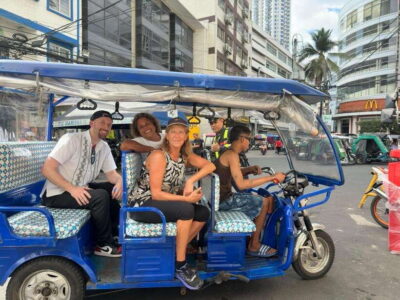
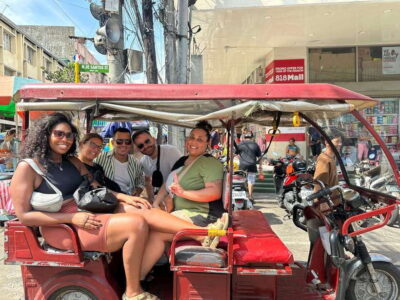

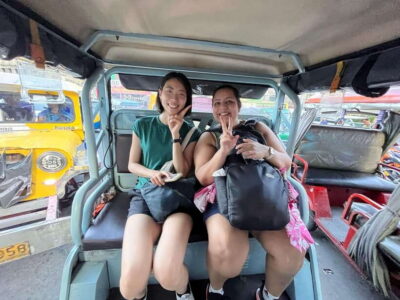
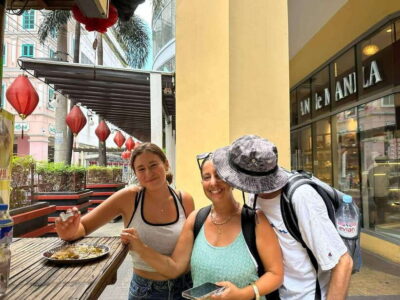
Manila Street Food and Drinks with Tuktuk Experience
Read our review →
The Jeepney & Tuk Tuk Adventure ride with Local Guide
Read our review →Browse the lists this tour appears in