
Reviewed · MANILA INTRAMUROS WALKING TOURS
Manila’s Walled City: Intramuros Walking Tour
Intramuros is where Manila’s past becomes easy to read. On this three-and-a-half-hour walking tour, you move from Fort Santiago and the Rizal Shrine to Manila Cathedral, San Agustin Church, and Casa Manila, with a local guide explaining the Malay, Spanish, American, and Japanese chapters behind the walls.
I like the mix of major sights and small human details, especially the stories about Dr. José Rizal and the simple snacks, such as taho and ice cream, served along the way. I also like that a kalesa or tranvia ride gives your feet a break and lets you see more of the old city. The main drawback is the heat: this is a moderate walk in a tropical climate, and some stops require suitable clothing for churches and museums.
Key points before you book
- Fort Santiago and the Rizal Shrine anchor the tour: You get a clear look at the fort’s military past and Rizal’s final days.
- The history crosses four eras: Your guide connects pre-colonial peoples with Spanish rule, American administration, and the Japanese occupation.
- San Agustin Church adds real architectural weight: This 1607 church is part of a UNESCO World Heritage Site.
- A kalesa or tranvia ride breaks up the walking: It offers a relaxed view of Intramuros from the street.
- Guides bring the tour to life: Ann and Andre are specifically praised for energy, humor, clear English, and strong storytelling.
- The tour ends at Casa Manila: You finish inside a furnished colonial-style house rather than at another open plaza.
Why Intramuros makes a strong first Manila tour
Manila can be hard to read at street level. Modern roads, traffic, shopping districts, churches, monuments, and old ruins sit close together, but the links between them are not always obvious. Intramuros gives you a manageable place to sort out those layers.
The walled city dates to the Spanish period, but its story begins earlier. A good guide can explain the people and cultures present before colonization, then show how Manila changed under Spanish control and later through the American and Japanese eras. That broad frame matters. You are not just looking at old stone. You are learning why the city developed as it did.
I especially like the focus on José Rizal. His name appears all over the Philippines, but the Rizal Shrine inside Fort Santiago gives his story a specific setting. You see where he was held before his execution in 1896 and view memorabilia connected with his life and national importance.
The tour costs $35 per person. That is a fair price if you want entry to several historic sites, an English-speaking guide, water, snacks, and a planned route without arranging each stop yourself. The value depends on your priorities. If you prefer wandering alone and reading signs at your own pace, you may find a self-guided visit cheaper. If you want the historical connections explained as you go, the fee is easier to justify.
More Manila Intramuros Walking Tours in Luzon:
- Manila Old and New: Sightseeing Tour Including Intramuros and Fort Santiago
★ 4.5 · 377 reviews - Express Bamboo Bike Tour inside Intramuros
★ 4.5 · 66 reviews - Manila: Intramuros, Chinatown, and Old Manila Half-Day Tour
★ 5.0 · 37 reviews
Fort Santiago sets the historical tone
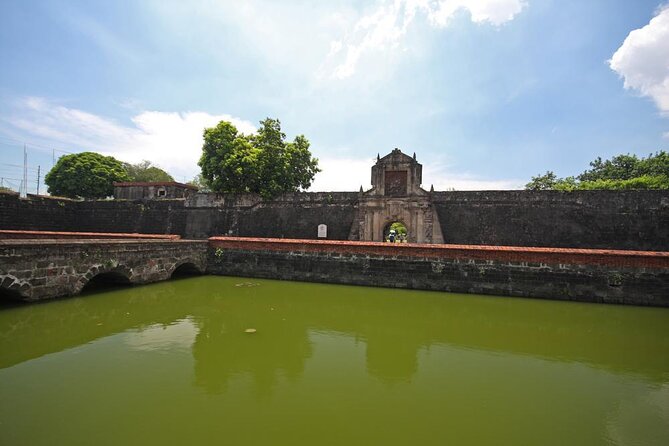
The tour begins at 1 Sta. Clara Street and heads to Fort Santiago, the large citadel built for the newly established Spanish city of Manila. It was first developed by Miguel López de Legazpi, the Spanish navigator and governor associated with the city’s early colonial period.
Allow about an hour here. That makes Fort Santiago the longest stop, and rightly so. The fort gives you the clearest sense of Intramuros as a defended city. Walls, gates, open spaces, and military structures help explain why this area mattered to Spanish Manila.
A guide is useful because the fort can otherwise feel like a collection of stone remains. You will hear how the site functioned as a defense post and how it became tied to some of the most painful chapters in Philippine history. The setting also offers good photo opportunities, with carefully maintained sections alongside older, weathered surfaces.
The fort is not just about grand colonial architecture. Its importance comes from the way military power, political control, and national memory meet in one place. I would give this stop your full attention rather than treating it as a quick photo break.
The Rizal Shrine brings history down to one person
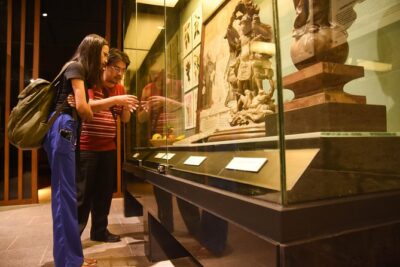
Inside Fort Santiago, the Rizal Shrine focuses on José Rizal, one of the Philippines’ national heroes. He was imprisoned here before his execution in 1896, and the museum displays memorabilia connected with him.
This half-hour stop is smaller and more personal than the fort itself. Instead of looking at walls from a distance, you are asked to think about one man’s role in the country’s struggle and identity. That shift helps make the larger political story easier to understand.
If your guide is Ann, Andre, or another member of the local team, listen for the explanations that connect Rizal’s life to the places around you. The strongest part of this tour is not simply naming dates. It is tying those dates to buildings, decisions, and people.
Families can handle this section well. One parent described the pace as manageable for a teenager and a six-year-old, although children should remain with an adult throughout the tour. Younger children may not follow every political detail, but the fort and personal stories provide enough variety to keep the visit moving.
Manila Cathedral shows Intramuros as a living district
Next comes Manila Cathedral, formally the Minor Basilica and Metropolitan Cathedral of the Immaculate Conception. The cathedral is free to enter, though entry is subject to dress requirements and any rules in effect at the church.
The visit lasts about 20 minutes. That is enough for a look inside and a short explanation, but not a long religious or architectural study. Its value is in showing that Intramuros is not only an outdoor museum. It remains a place of worship and an active part of Manila.
Dress with care. Mini-shorts and sleeveless tops are not allowed at places of worship and selected museums on this tour. Casual clothing is fine, but choose something respectful and practical for walking in warm weather.
A few more Luzon trips to weigh up
- Manila Intramuros Walking tour with Local Tour Guide
★ 5.0 · 33 reviews - Intramuros & Chinatown Manila Tour – Walking, Food & Culture
★ 4.5 · 32 reviews - Manila: Binondo Walking Tour ( Oldest Chinatown )
★ 5.0 · 30 reviews - Manila Old & New City Walking Tour With A Guide
★ 4.0 · 9 reviews
The kalesa or tranvia ride changes the pace
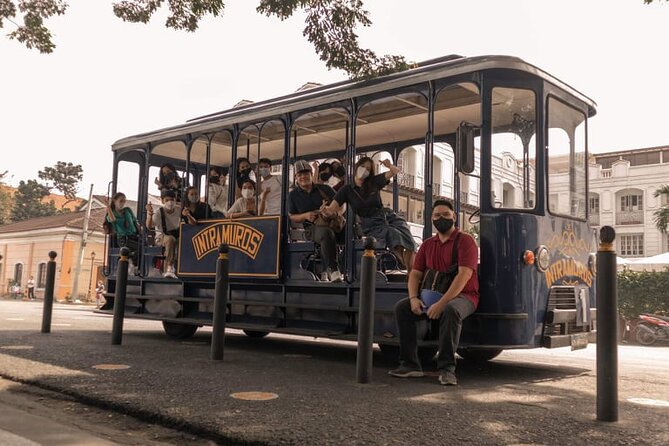
At some point, the route includes a ride around Intramuros by kalesa, a horse-drawn carriage, or by tranvia, a tram. The exact arrangement can depend on the day and the operating plan, so treat this as a planned change of pace rather than a guaranteed private ride.
This is one of the tour’s most appealing touches. After walking through forts, churches, and museums, sitting back lets you see the walled city as a whole. You get a sense of the streets and the relationship between the major buildings, rather than viewing each stop in isolation.
I also see practical value here. Manila’s heat can make three and a half hours feel longer than expected. A short ride gives you a chance to rest while still taking in the district.
The carriage ride may be especially memorable for families and first-time visitors. It is simple, not luxurious, and that is part of the appeal. You are seeing Intramuros in a traditional form of transport rather than from an enclosed tour bus.
Memorare Manila remembers the 1945 battle
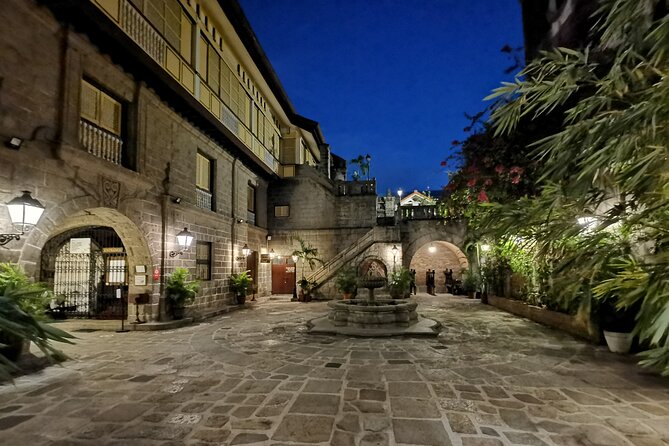
The Memorare Manila 1945 Monument marks the lives lost during the Battle for the Liberation of Manila. Filipino and American forces fought Imperial Japanese troops from February 3, 1945, during the final stages of the Second World War.
The stop lasts about 20 minutes and is free to enter. It adds a necessary modern chapter to a tour that could otherwise focus too heavily on the Spanish period. Intramuros was shaped not only by colonial construction but also by wartime destruction and loss.
This monument is a good reminder to look beyond attractive facades. The old city’s story includes occupation, conflict, and the damage caused during liberation. A clear guide can help you understand why preserved ruins and rebuilt structures sit side by side.
San Agustin Church is the architectural high point
San Agustin Church is one of the tour’s most important stops. Completed in 1607, it is one of the great churches built during the Spanish colonial period and forms part of the UNESCO-listed Baroque Churches of the Philippines.
The scheduled visit is about 15 minutes and admission is free. That is not long, so do not expect a detailed museum visit or a slow architectural survey. You will get a focused look at the church and its place in Philippine history.
Even a short stop here can be rewarding. The church represents the durability of Spanish religious architecture in Manila, but its importance is not simply age. It helps you see how Catholic institutions shaped the city and how Intramuros became a center of colonial authority.
Respect the setting. This is a working place of worship, not just a photo stop. Dress appropriately, keep your voice down, and follow any instructions given at the entrance.
Casa Manila finishes with a look inside colonial life
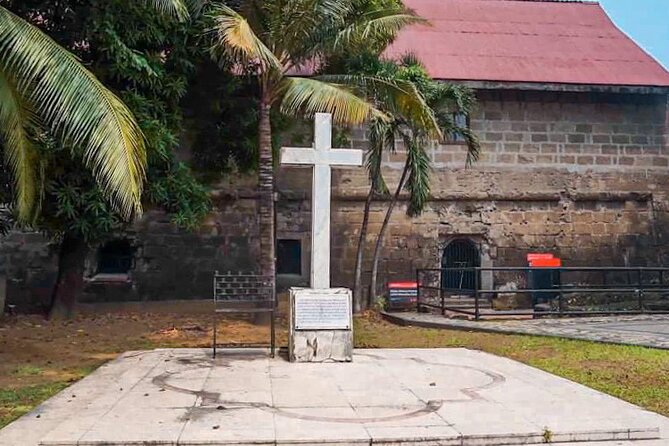
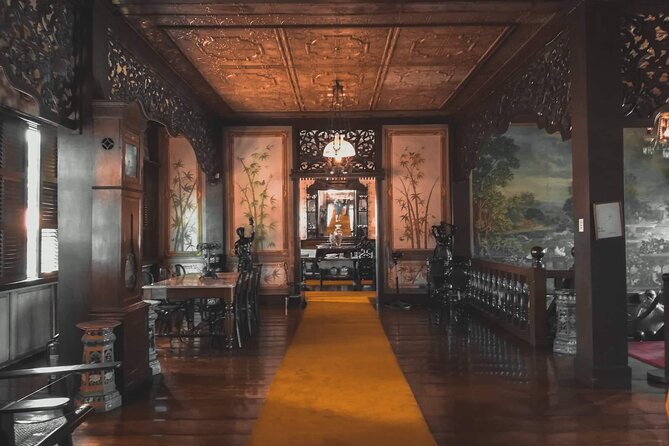
The final stop is Casa Manila, a museum in the Plaza San Luis Complex. It presents colonial lifestyle during Spanish rule in the Philippines inside an imposing stone-and-wood structure dating to about 1850.
You spend around 30 minutes here, and the tour ends at Casa Manila. That ending works well. Fort Santiago shows military control, the churches show religious influence, and Casa Manila turns your attention to domestic life, furniture, rooms, and social position.
The museum helps answer a question that ruins cannot: how did people live inside this colonial society? You can see a more intimate side of Intramuros, though remember that Casa Manila is a museum display rather than a typical modern home.
The Plaza San Luis setting also makes a practical finish. You are not returned to the starting point at Sta. Clara Street. Plan your next move from the Casa Manila area, using the listed endpoint at Plaza San Luis Complex on General Luna Street.
Guides make the difference
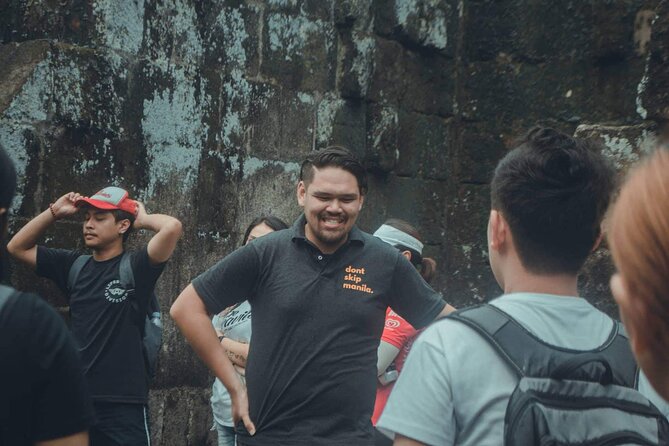
The guide is the key variable in a history walk. The named guides associated with this experience include Ann, Anne, Andre, and Andres. The strongest descriptions point to guides who speak clear English, explain difficult subjects plainly, add humor, and keep the pace comfortable.
Andre is particularly associated with an energetic style and a visual aid booklet that helps organize the layered history. That can be useful in Intramuros, where the names, dates, and colonial periods can quickly blur together. Ann is also described as friendly, funny, lively, and well prepared.
Expect a group of up to 30 people. That is not a tiny private walk, so you may need to stay close enough to hear and keep an eye on the guide at busy points. The advantage is a social, planned outing. The trade-off is less freedom to linger at one exhibit or take as long as you like at a photo spot.
Snacks, water, and the practical walking load
Bottled water and snacks are included. The snacks may be simple street treats, with taho and ice cream specifically mentioned as enjoyable examples. This is a nice local touch, though you should not book the tour expecting a full meal.
Bring comfortable clothing and sensible shoes. The tour includes a moderate amount of walking, and the tropical climate can make ordinary distances feel demanding. Morning departures may suit you if you want cooler conditions, while an afternoon departure can fit better around other plans.
The tour is near public transportation, but hotel pick-up and drop-off are not included. You need to make your own way to the meeting point and arrange your onward transport after Casa Manila.
Mobile tickets make the experience easy to carry, and confirmation is normally sent at booking unless you book within nine hours of departure. Children must be accompanied by an adult, and the child rate applies only when sharing with two paying adults.
Free cancellation is available up to 24 hours before the start time. Last-minute changes are not accepted under the stated policy. The tour also depends on good weather and a minimum number of participants, with a different date or refund offered if the operator cancels for either reason.
Who should book this Intramuros walk?
I would choose this tour if you have limited time in Manila and want a clear introduction to old Manila without piecing together several admissions and routes yourself. It suits first-time visitors, families, history fans, and anyone who wants context rather than a silent stroll through attractive ruins.
It is also a good choice for people with Filipino family connections who want a structured way to understand the country’s major historical periods. The guide’s explanations can turn familiar names, such as Rizal, into a more connected story.
You may want another plan if you dislike group tours, have difficulty walking in heat, or want long visits inside each church and museum. The 30-person maximum keeps the group within a reasonable size, but it is still a group experience.
Should you book it?
At $35, this is a solid-value introduction to Intramuros. You receive a local English-speaking guide, entry to Fort Santiago, the Rizal Shrine, Casa Manila, bottled water, snacks, and a ride by kalesa or tranvia, while several other historic stops are free.
Book it if you want the walls, churches, wartime memorials, and museums to form one understandable story. Wear respectful, breathable clothing, arrive ready to walk, and choose the morning if heat is a concern. For a first look at Manila’s old center, this tour offers a sensible route and enough variety to keep the afternoon moving.
FAQ
How long does the Intramuros walking tour last?
The tour lasts approximately three hours and 30 minutes.
What is the tour price?
The listed price is $35 per person. Group discounts are available.
Where does the tour begin?
The meeting point is 1 Sta. Clara Street, Intramuros, Manila, 1002 Metro Manila, Philippines.
Where does the tour end?
The tour ends at Casa Manila in the Plaza San Luis Complex on General Luna Street, Intramuros.
Which sites are included?
The route includes Fort Santiago, the Rizal Shrine, Manila Cathedral, the Memorare Manila 1945 Monument, San Agustin Church, and Casa Manila.
Is admission included?
Admission to Fort Santiago, the Rizal Shrine, and Casa Manila is included. Manila Cathedral, Memorare Manila, and San Agustin Church are listed with free admission.
Is a guide included?
Yes. An English-speaking local tour guide is included.
Are food and drinks included?
Bottled water and snacks are included. The snacks may include simple local treats such as taho and ice cream.
What should I wear?
Wear comfortable clothing suitable for a tropical climate. Casual dress is acceptable, but mini-shorts and sleeveless tops are not allowed at places of worship and selected museums.
Is hotel transportation included?
No. Hotel pick-up and drop-off are not included, though the meeting area is near public transportation.
Can children join the tour?
Yes. Children must be accompanied by an adult. The child rate applies only when the child shares with two paying adults.
How many people can join the tour?
The maximum group size is 30 people.
Can I cancel for a refund?
You can cancel at least 24 hours before the start time for a full refund. Cancellations or changes made less than 24 hours before the tour are not accepted for a refund.
What happens if bad weather cancels the tour?
If poor weather causes cancellation, you will be offered another date or a full refund. The same applies if the minimum number of participants is not met.
Just added around Luzon
- Villa Escudero Tour with Lunch From Manila (SHARED)★ 5.0 · 5 reviews
- Villa Escudero Coconut Plantation Day Trip from Manila★ 3.5 · 9 reviews
- Private Filipino Cooking Class in the Heart of Manila,Makati City★ 5.0 · 5 reviews
- VILLA ESCUDERO DAY TOUR with Carabao Cart Ride and Bamboo from Manila★ 4.0 · 6 reviews
- Angeles City / Clark Airport to La Union (Bauang, San Fernando, San Juan)★ 3.5 · 4 reviews
- The Jeepney & Tuk Tuk Adventure ride with Local Guide★ 4.5 · 4 reviews
- Sagada and Banaue Rice Terraces 4-Day Tour★ 5.0 · 4 reviews
- Pagsanjan Falls Adventure with Lunch and Rapids Experience★ 4.5 · 3 reviews
Manila Intramuros Walking Tours, compared.

Intramuros, Manila: Historical Bamboo Bike Tour
Read our review →
Experience Intramuros with Bamboo Bicycle – Ecotours
Read our review →
Intramuros, Chinatown, and Old Manila Half-Day Tour
Read our review →
Manila Old and New: Sightseeing Tour Including Intramuros and Fort Santiago
Read our review →
Explore Intramuros: Introduction to Philippine History
Read our review →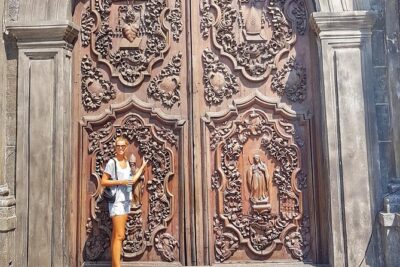
Experience Manila’s Heritage: Intramuros & More in Half a Day!
Read our review →Browse the lists this tour appears in