
Reviewed · MARKETS
Manila Tour: Tondo Manila and Divisoria Market
Tondo is not polished Manila. It is crowded, practical, noisy, and full of daily life. This two-hour tour takes you through local markets and back streets, then adds rides on a jeepney and tuk-tuk for a close look at how people move around the district.
I like the small group limit of 10, which should make it easier to hear your guide and ask questions. I also like the mix of walking, transport, market browsing, and street food, rather than a tour spent only looking at buildings. The main drawback is the price: at $54 for two hours, it is not cheap, especially since food tasting and hotel pickup cost extra.
Key points to know
- Tondo and Divisoria offer a working side of Manila: Expect markets, older apartments, side streets, and everyday neighborhood activity rather than major tourist sights.
- Jeepney and tuk-tuk rides are included: These short rides add local transport to the walking portion of the tour.
- Food is available but not included: You can try street food, local cuisine, and coffee, but pay for anything you eat or drink.
- The group is limited to 10 people: This suits you if you prefer a more personal walk through busy streets.
- Marie is one guide specifically praised by name: A July 2024 booking described Marie as kind and clear in her explanations.
- Meet at Grand Cafe 1919: Arrive 10 minutes early, and confirm the exact Manila meeting details because the supplied location information also lists Nueva Vizcaya.
Tondo beyond the postcard Manila

Many first-time visitors see Manila through its grand churches, old government buildings, shopping malls, and hotel districts. Tondo offers a different picture. It is one of the city’s oldest districts, with residential, commercial, and industrial areas packed close together.
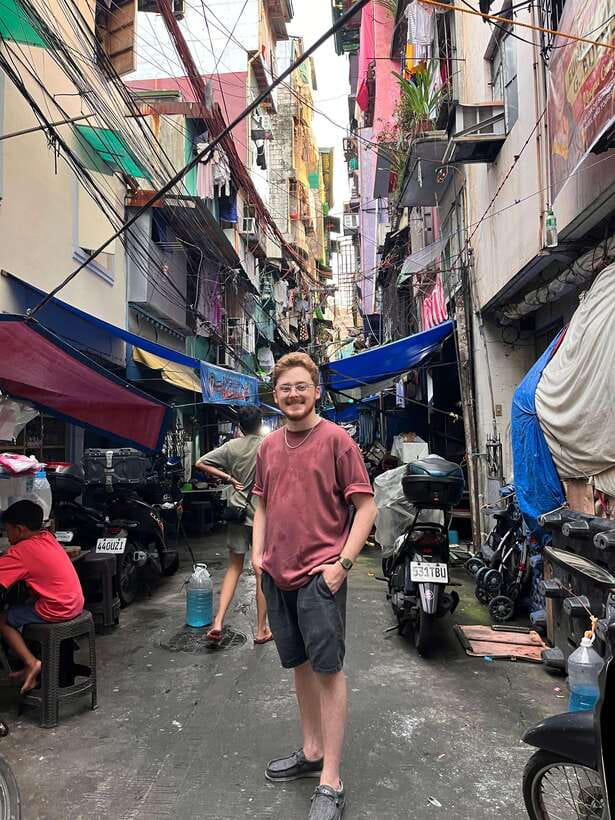
This tour is built around ordinary life. You walk through local streets, pass older apartments, look into small market areas, and see how people use shared public spaces. The point is not a long list of famous monuments. The point is understanding how a Manila neighborhood works.
You should expect the surroundings to feel raw and crowded at times. The route can include narrow back alleys, side streets, open-air bathing and dining areas, and market activity that may feel far removed from a standard sightseeing route. If you want air-conditioned comfort and polished attractions, this is probably the wrong choice. If you want to see the city as residents experience it, the setting is the reason to come.
Your guide provides the context that makes these scenes useful rather than random. The tour is offered in English or Tagalog, and the small group size should help when the streets become noisy or busy.
A few more Philippines trips to weigh up
- Manila: Guided Night Market Experience
★ 5.0 · 54 reviews - Manila’s Culinary Expedition: The Ultimate Food and Market Tour
★ 5.0 · 42 reviews - Explore Manila Slums and Hidden Market
★ 4.9 · 41 reviews
Meeting at Grand Cafe 1919
The tour begins inside Grand Cafe 1919. You are asked to arrive 10 minutes before the scheduled start, a sensible cushion for a short activity where every minute matters.
The meeting information needs one practical check before you book. The experience is described as a Tondo and Divisoria tour in Manila, but the location field supplied for the activity says Nueva Vizcaya. Those are not the same place. Confirm the meeting point, city, and pickup details directly before setting out, especially if you are arranging transport from a hotel.
There is no hotel pickup. That keeps the tour price from rising further, but it means you must reach Grand Cafe 1919 on your own. A welcome bottle of water is included, which is useful for a walking route in Manila’s heat.
Walking through Tondo’s market streets
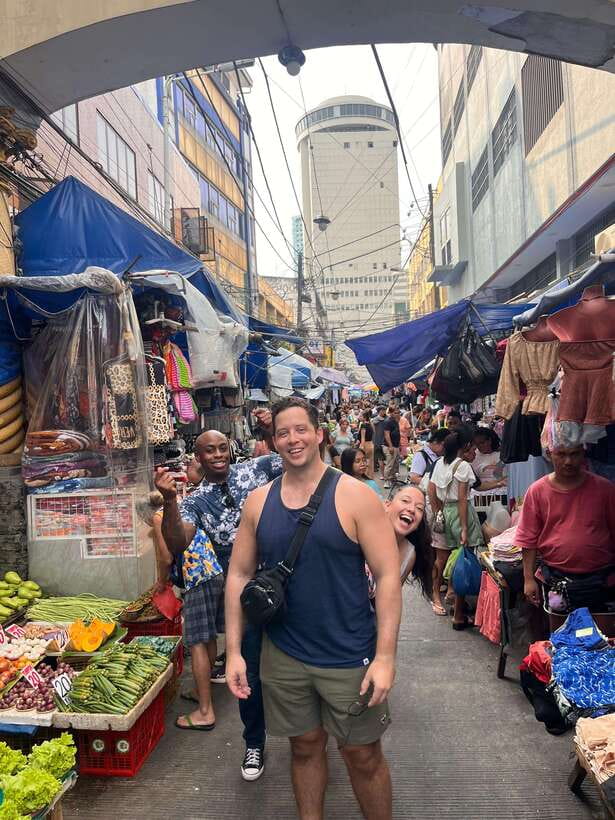
The walking portion is the heart of the experience. You move through local market areas and side streets instead of being sealed inside a vehicle. Divisoria is known as a shopping district, and the tour places you close to the practical side of buying and selling in Manila.
The value here is visual and social. You can watch goods move through narrow spaces, see small businesses operating at street level, and notice how homes and commerce often sit almost on top of each other. Your guide can explain what you are seeing, which matters in a district where a visitor may otherwise notice only noise, traffic, and crowds.
Do not expect a quiet market stroll. Traditional open wet markets can be damp, crowded, and strongly scented. The tour description specifically points to local shopping, back alleys, and open-air daily routines. Wear shoes that can handle uneven or wet ground, and choose clothing that is comfortable for warm weather and close quarters.
Food is part of the experience, but tasting is not included. You can choose to buy street food, coffee, or other local dishes, but the cost is yours. That arrangement gives you some control over what you eat, though you may want to carry small amounts of Philippine currency for quick purchases.
Older apartments and everyday routines
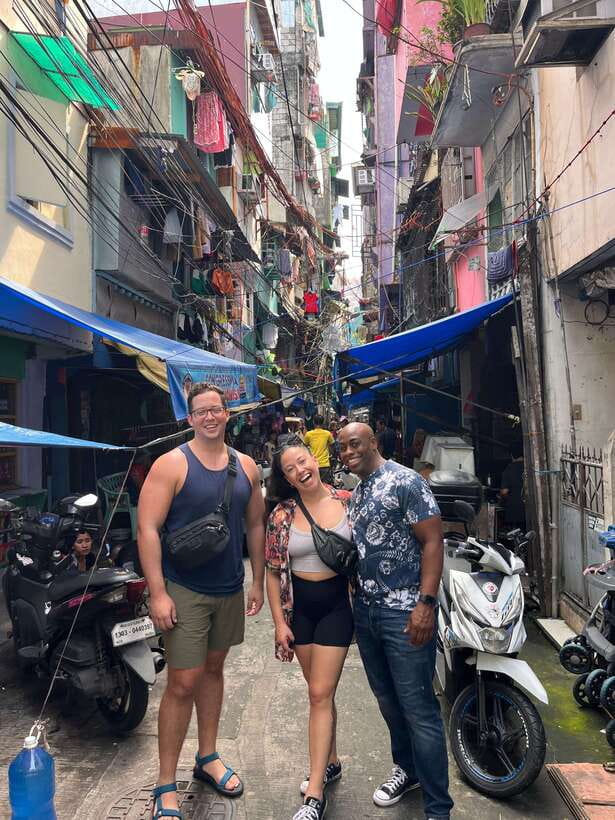
One of the more unusual parts of the route is the look at Tondo’s oldest apartments and residential corners. The experience is not limited to shopfronts. You may see how people live in dense housing, including open-air bathing and dining.
This can be a useful reminder that a city is not only its public attractions. A short walk through residential lanes can show you how limited space is used and how neighbors share streets and courtyards. It also calls for tact. You are entering places where people live, so follow your guide’s lead, ask before taking close-up photographs, and avoid treating private routines as a spectacle.
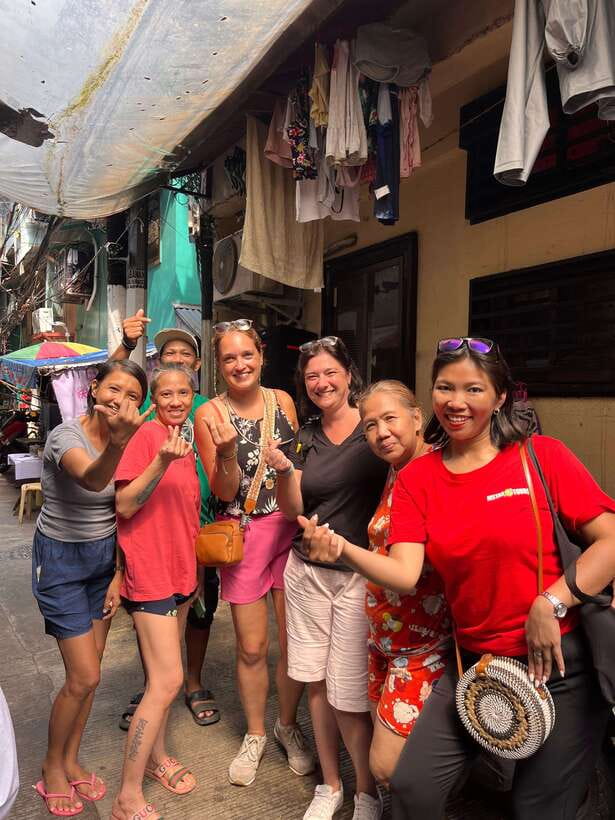
The tour includes a souvenir of photos, according to the activity details. That is a pleasant extra, but it should not be confused with a full photography service. The main value is the guide’s explanation and the chance to see parts of Manila that are easy to miss when you stay on the main roads.
One July 2024 booking specifically praised a guide named Marie for being kind and explaining everything clearly. The other available comments describe the guide as fun, helpful, and good at giving explanations. Since guides can vary by departure, treat Marie’s name as a useful detail to note, not a guarantee that she will lead every date.
Same islands, a completely different day on the water:
- El Nido: Island Hopping Tour A Lagoons and Beaches
★ 4.3 · 1,572 reviews - From Puerto Princesa: Underground River Full-Day Trip
★ 4.3 · 1,460 reviews - Bohol: Premium Chocolate Hills, Tarsiers & River Experience
★ 4.7 · 804 reviews - Coron Ultimate Tour: 7 Destinations with Lunch & Transfers
★ 4.8 · 754 reviews
Riding a jeepney and tuk-tuk
The transport section gives the tour a change of pace. You ride an iconic Philippine jeepney and a tuk-tuk, both included in the price.
A jeepney is more than a way to get from one stop to another. It is one of the country’s best-known forms of local transport, with shared seating and a design that has become closely tied to Filipino city life. The tuk-tuk offers another view of short-distance movement through crowded streets.
The rides are likely brief because the full tour lasts only two hours, but they add something a vehicle-based tour cannot. Instead of merely watching local transport pass by, you take part in it. You also get a practical sense of how the district’s narrow roads and heavy traffic shape daily movement.
This is not a private car experience. Shared local transport can feel cramped, and traffic may affect the pace. That is part of the lesson, but it also means you should not book this expecting a smooth sightseeing ride with long commentary from the seat.
Coffee, street food, and the cost of eating
The tour encourages you to try local coffee and Filipino food in the way residents do. That may mean making your own choices at a market or food stop rather than receiving a fixed tasting menu.
I like this approach because it leaves room for curiosity. You can ask what a dish is, decide what appeals to you, and spend only what you want. The tradeoff is that the $54 tour price does not cover tastings, drinks, or meals. If food is one of your main reasons for booking, budget extra.
The activity also lists gratuities as not included. Carrying water is helpful, though one welcome bottle is provided. Since the tour includes walking in market streets and transport rides, a light bag is more practical than bulky luggage.
Is $54 fair for two hours?
At $54 per person, this is a fairly expensive two-hour outing by Manila standards. The price includes a local guide, a bottle of water, the jeepney and tuk-tuk rides, the walking tour, and a photo souvenir. It also buys you a small group, limited to 10 people, rather than a large bus group.
The value depends on what you want. If you are mainly paying for transportation or a long list of attractions, the cost may feel high. If you want an organized introduction to Tondo, with someone helping you read the market streets and local routines, the guide is the main reason the price can make sense.
The two-hour limit is both a strength and a weakness. It is short enough to fit into a busy Manila schedule and less tiring than a full-day neighborhood walk. On the other hand, the district deserves more time than this route can provide, so expect an introduction rather than a complete exploration.
Free cancellation up to 24 hours before the start and the option to reserve now and pay later reduce some booking risk. They do not change the basic value calculation: you are paying for access, interpretation, and a compact local experience, not for meals or hotel transport.
Who should book this Tondo walk?
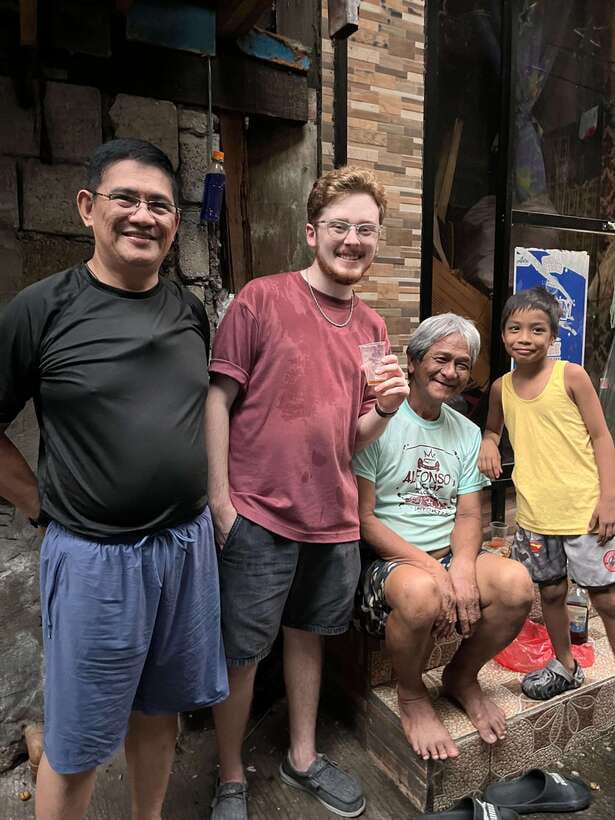
I would choose this tour if you have already seen Manila’s main sights and want a closer look at local neighborhoods. It also suits curious first-time visitors who understand that the experience may be crowded, untidy, and very different from a standard city tour.
The tour is a good fit if you enjoy walking, asking questions, trying local transport, and making your own food choices. A small group is helpful for anyone who does not want to get lost in a large organized outing.
I would think twice if you need a fully accessible route. The activity is not suitable for wheelchair users, and the combination of back alleys, market surfaces, and local vehicles may be difficult for people with mobility limitations. It is also not recommended for people with high blood pressure or altitude sickness, as stated in the activity information.
Because the tour enters residential areas, it is best for you if you can be respectful and flexible. This is not a staged cultural show. You may see people bathing, eating, working, and commuting in very ordinary settings. Your attitude will shape the quality of the experience.
Practical ways to enjoy the route
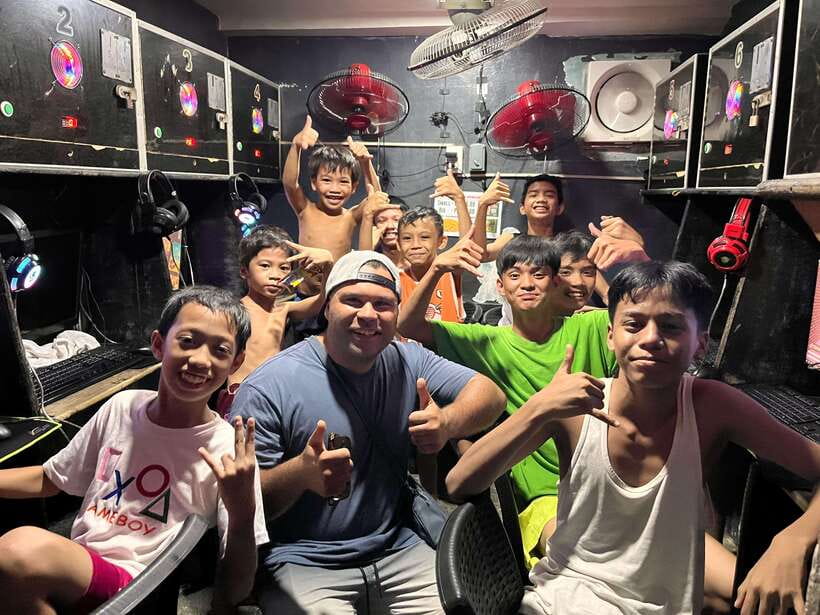
Arrive early at Grand Cafe 1919 and confirm the location in Manila before leaving. The conflicting location reference to Nueva Vizcaya is worth clearing up, particularly if your hotel is far from Tondo.
Wear comfortable walking shoes and clothing suited to warm weather. Keep your belongings secure in crowded markets, and bring money for food and coffee since tastings are excluded.
Use the guide as your interpreter of the neighborhood. Ask about the market, the apartments, jeepney travel, tuk-tuks, and the district’s development. You will get more from the walk if you treat it as a conversation rather than a photo stop.
The route is conducted in English or Tagalog. If you book because you want clear explanations, note that the available feedback specifically praises the guide’s friendliness and ability to explain things, including Marie by name.
Should you book the Tondo and Divisoria tour?
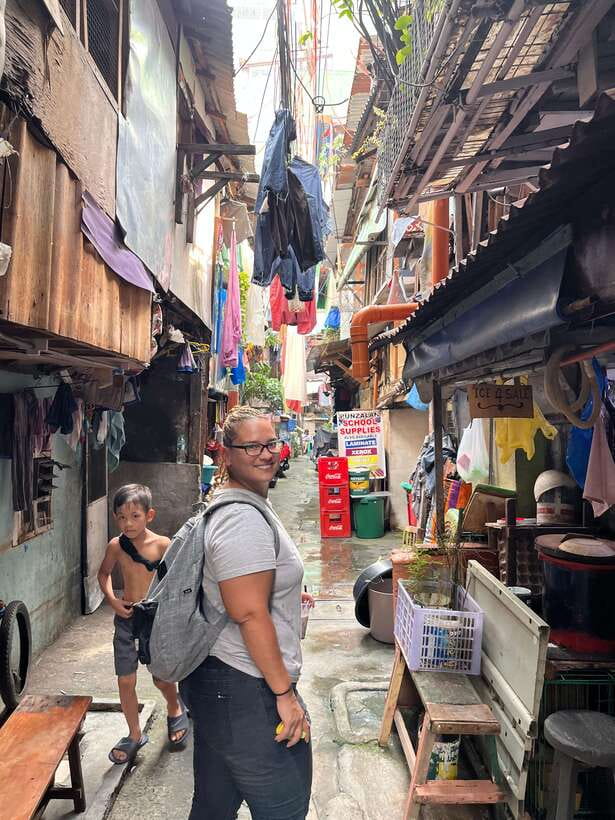
Book it if you want a short, guided look at everyday Manila and are comfortable with market crowds, local transport, and residential streets. The combination of walking, jeepney, tuk-tuk, and optional food tasting gives the two hours a useful variety.
Skip it if you want major landmarks, included meals, hotel pickup, or a low-cost way to fill an afternoon. At $54, the tour needs to deliver value through its guide and access to local areas. Confirm the meeting location first, then book if that direct neighborhood experience is what you are after.
FAQ
Where does the Tondo and Divisoria tour meet?
The meeting point is inside Grand Cafe 1919. You should arrive 10 minutes before the start time.
How long does the tour last?
The tour lasts two hours.
What languages are available?
The live guide can conduct the tour in English or Tagalog.
How large is the group?
The tour is limited to 10 participants.
Are jeepney and tuk-tuk rides included?
Yes. Jeepney and tuk-tuk transportation are included in the activity price.
Is food included?
No. Food tastings are not included, so you pay separately for street food, coffee, or other cuisine you choose.
Is hotel pickup available?
No. Hotel pickup is not included. You need to reach the meeting point yourself.
Is the tour suitable for wheelchair users?
No. The activity is not suitable for wheelchair users.
Can I cancel for a refund?
Yes. You can cancel up to 24 hours in advance for a full refund. You can also reserve now and pay later.
Just added around Philippines
- Underground River with Lunch★ 3.6 · 5 reviews
- Underground River without Lunch★ 4.7 · 3 reviews
- Twin Treasures: Discovering Dumaguete and Valencia★ 3.4 · 5 reviews
- Siquijor Land Tour★ 4.5 · 12 reviews
- Tri island tour: Naked Island, Daku Island and Guyman Island★ 5.0 · 3 reviews
- Trekking to see the beautiful view of Cebu City★ 3.3 · 4 reviews
- Full-Day Historical Heritage Guided Tour of Tacloban and Palo★ 5.0 · 11 reviews
- BOHOL ATV Tour★ 4.0 · 9 reviews
Markets, compared.

Manila’s Culinary Expedition: The Ultimate Food and Market Tour
Read our review →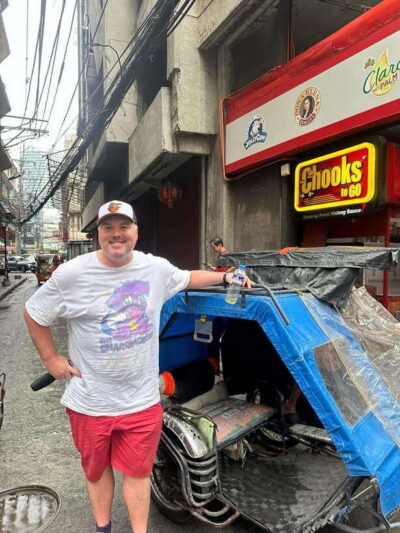
Private Market Tour and Filipino Cooking Class in Manila with Isi
Read our review →
Tagaytay Adventure: Volcano Views, Countryside, Market & Cruise!
Read our review →
Browse the lists this tour appears in