
Reviewed · MARKETS
Explore Manila Slums and Hidden Market
Tondo gives you a very different view of Manila: narrow residential lanes, a wet market, Chinatown food stalls, and daily life far from the usual tourist route. I like the local transport rides and the chance to hear directly from guides such as Venus and Floyd, who know the area personally. I also like the food stops, including bao, egg tarts, drinks, and, in some cases, a beer.
The main consideration is the subject matter. Walking through poor communities can feel uncomfortable if you expect a polished sightseeing tour. The guide’s approach matters a great deal, and the short two-hour schedule means you get a sharp introduction rather than a full study of Tondo.
Key points
- Tondo from the inside: See residential lanes, local commerce, and community life with a guide who has strong ties to the district.
- Three ways to move: The $65 price includes a tricycle ride, a jeepney ride, and the walking portions between stops.
- Wet market and Chinatown: Expect produce, groceries, local food, and stops in Manila’s old Chinese quarter.
- Guides with local roots: Venus and Floyd receive especially strong praise for their warmth, stories, and ability to make visitors feel at ease.
- A thoughtful ethical question: This is not light sightseeing. Go with respect, listen carefully, and avoid treating poverty as a photo backdrop.
- Small-group format: Up to 10 people keeps the tour more personal and makes it easier to ask questions.
Why Tondo changes the way you see Manila
Tondo is one of Manila’s oldest districts, and it is often described in blunt terms because of its poverty. Yet a two-hour walk here is not simply a tour of hardship. You see people working, shopping, commuting, cooking, and making practical improvements to difficult living conditions.
That distinction is important. The best part of this experience is the context supplied by a local guide. Floyd, for example, was born and raised in the area and has worked as a police sergeant, with training in medicine and explosive ordnance safety. Venus brings a warm, social style and explains what you are seeing as you go.
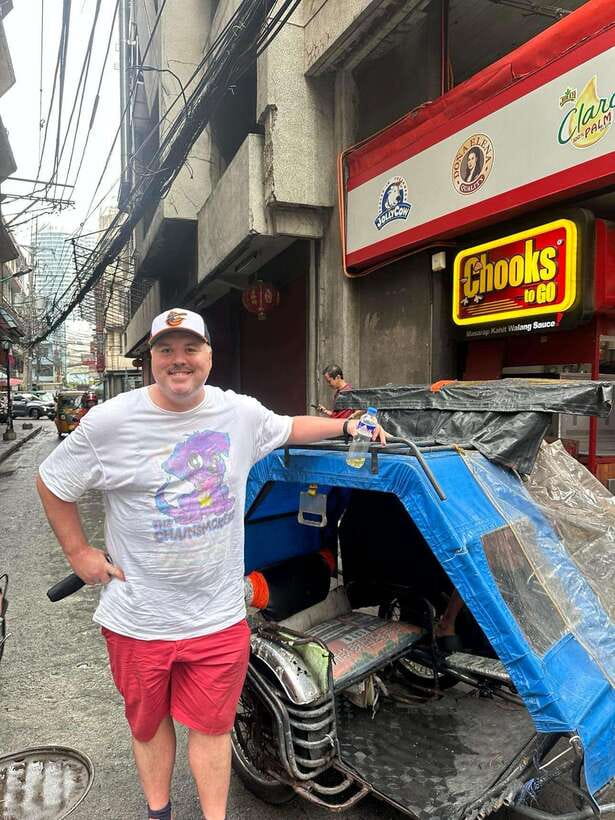
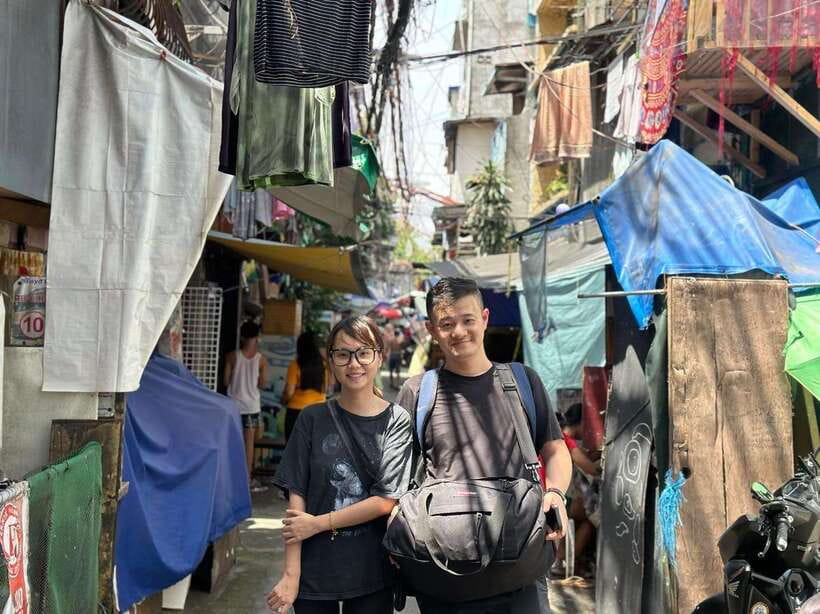
You will not get the same picture from a taxi window. The route takes you into local residential areas, where the streets are part home, part workplace, and part meeting place. Children and adults may greet you, and residents may be curious about the visitors passing through. Your guide acts as a bridge, explaining the setting and helping you behave with care.
I appreciate that this tour is built around meeting people rather than simply pointing at buildings. You get a chance to ask about Filipino life, local work, transport, food, and the ways residents handle everyday problems. That human exchange is what gives the tour its value.
A few more Manila trips to weigh up
- Manila: Guided Night Market Experience
★ 5.0 · 54 reviews - Manila’s Culinary Expedition: The Ultimate Food and Market Tour
★ 5.0 · 42 reviews - Manila Street food and Night Market Tour
★ 4.7 · 21 reviews
Meeting near Tutuban Center Mall
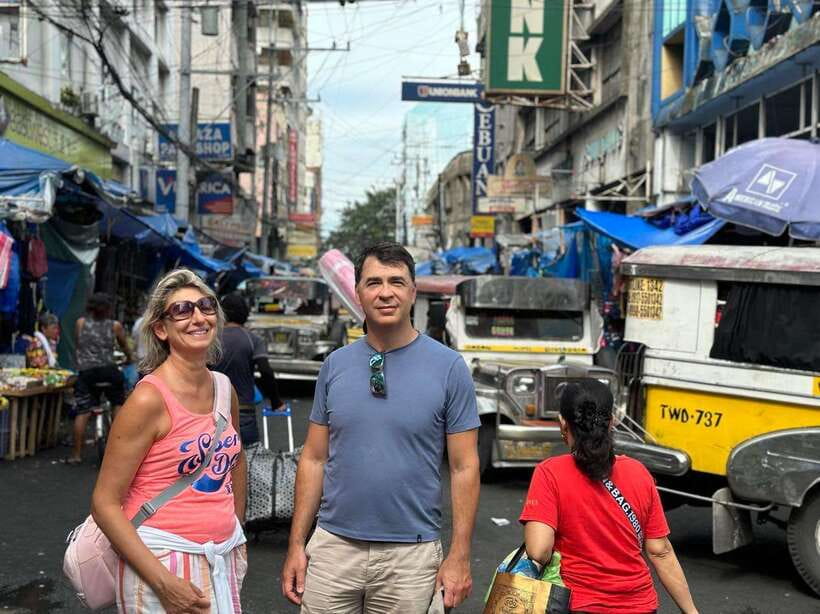
The stated meeting point is Tutuban Center Mall, near the Bonifacio Monument and Lawson Convenience Store. This puts you close to Manila’s old commercial districts and within reach of Chinatown and Divisoria, an area known for wholesale goods, markets, and constant street activity.
Give yourself enough time to find the exact meeting spot. The instructions identify several nearby landmarks, so check the precise starting time and arrive ready to contact the operator if needed. Since this is a small walking tour, being late could be more disruptive than on a large bus excursion.
There is one detail worth checking before you book. The supplied location is listed as Nueva Vizcaya, while the meeting point and the entire experience clearly refer to Tondo in Manila. Confirm the city and meeting point with V.S Tour Services before payment, especially if you are searching from outside Manila or arranging several Philippine destinations.
Walking through Tondo’s residential lanes
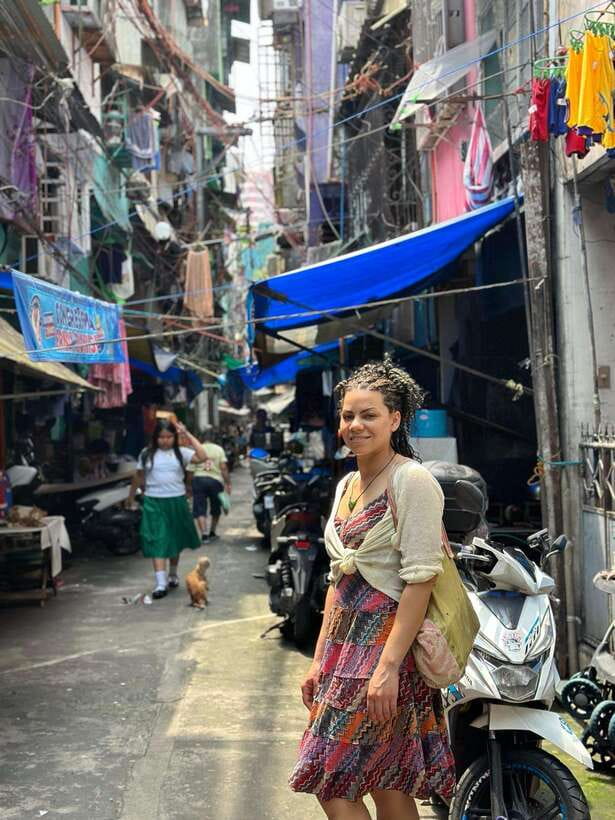
The walking portion is the heart of the activity. Rather than viewing Tondo from a main road, you enter narrower lanes and residential areas where daily routines are close at hand.
Expect an environment that can feel crowded, noisy, and visually intense. Homes and businesses sit close together. People move goods, prepare food, and go about ordinary errands. The point is not to find pretty scenery. The point is to understand how a large community functions when space and resources are limited.
This is where the guide’s local connections matter most. Several guides have been described as friendly, attentive, and able to explain the area without making visitors feel lost. Floyd’s background and personal ties offer one kind of insight. Venus is especially good for travelers who want an upbeat, conversational introduction with plenty of food stops.
You should ask before photographing people, homes, or children. Some children may be eager to talk or pose, but that does not remove the need for permission from a parent or guardian. Keep your camera away when the guide is explaining something important, and focus on listening rather than collecting dramatic images.
The route is also not designed for a luxury sightseeing mood. Surfaces may be uneven, lanes may be tight, and the pace can change as the group moves around local activity. Wear practical shoes and clothing suitable for warm weather. The provided information does not promise accessibility features, so ask V.S Tour Services in advance if you have mobility concerns.
The wet market and local food stops
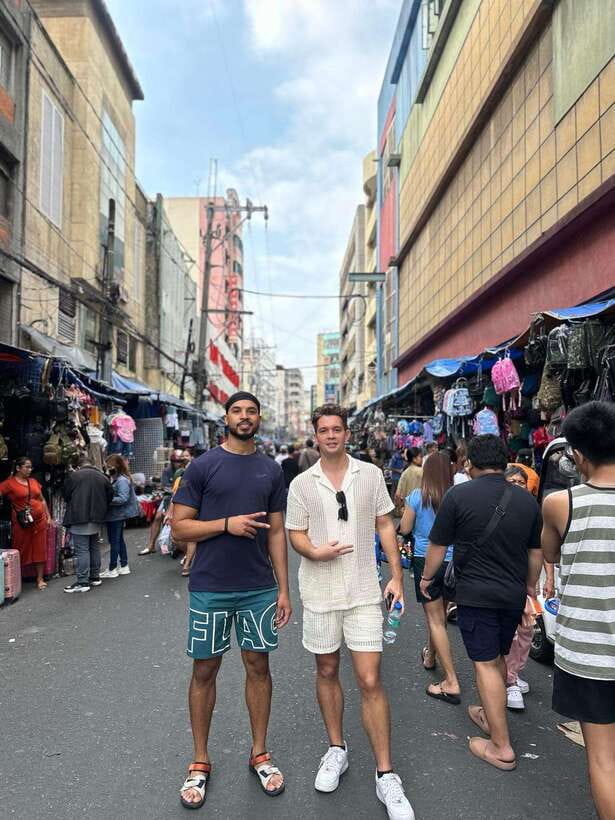
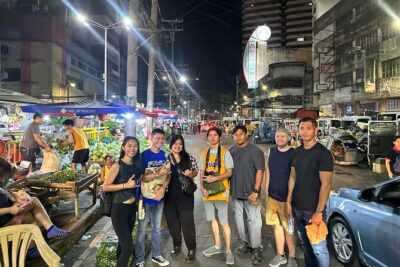
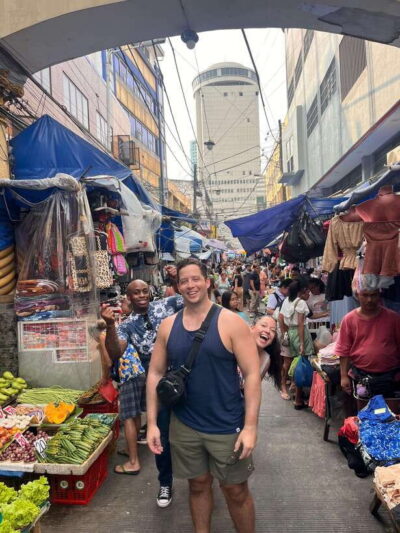
The wet market adds a strong sensory layer to the walk. You might see fruit, vegetables, groceries, meat, and prepared food arranged for local shoppers rather than for tourists. It is a working market, so the most interesting moments may come from watching ordinary buying and selling.
A local market also helps explain the economics of the neighborhood. Prices, portion sizes, produce, and food preparation all tell you something about how people shop and eat. Your guide can give meaning to details that might otherwise look like colorful clutter.
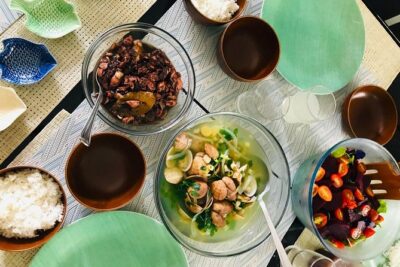
Food is one of the tour’s most praised features. Depending on the guide and the day, tastings may include bao, egg tarts, other local snacks, a drink, and possibly a beer. The bao receive particular praise, while the egg tarts are a memorable Chinatown stop. These small tastings are not a full meal, so do not arrive expecting lunch or dinner.
I like this part because food creates an easy way to connect. You can ask what people eat at home, how snacks fit into the day, and why certain foods are linked to Manila’s Chinese Filipino communities. If you have allergies or dietary restrictions, tell the guide before accepting anything. The activity details do not specify a dedicated dietary menu.
Same islands, a completely different day on the water:
- Intramuros, Manila: Historical Bamboo Bike Tour
★ 4.8 · 583 reviews - Experience Intramuros with Bamboo Bicycle – Ecotours
★ 5.0 · 508 reviews - Manila: Intramuros, Chinatown, and Old Manila Half-Day Tour
★ 4.8 · 475 reviews - Manila: Old & New 4-Hour City Tour
★ 4.5 · 458 reviews
Chinatown, Divisoria, and old Manila connections
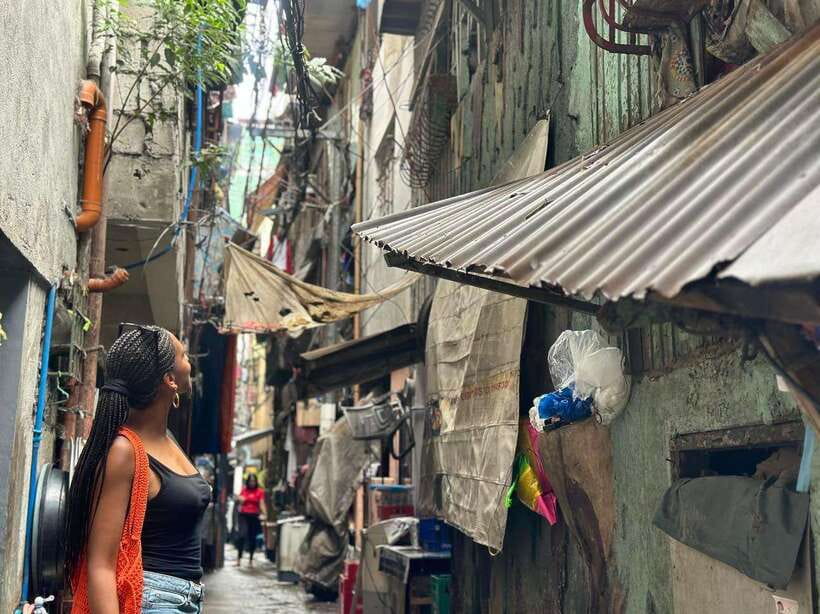
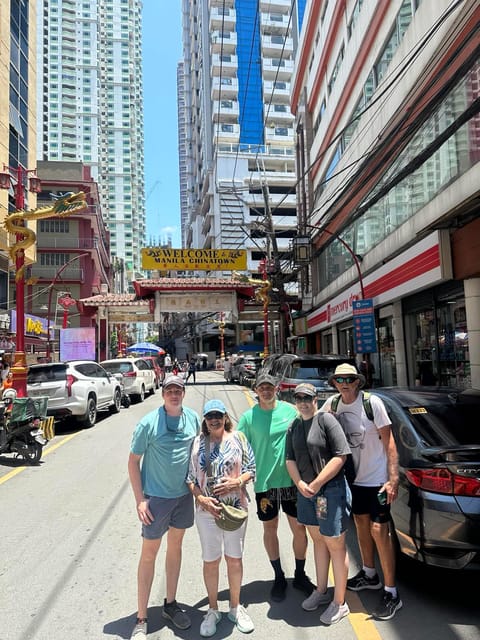
The route includes Manila’s old Chinatown area and market districts associated with Divisoria. This gives the tour a useful change of rhythm. You move from residential lanes into commercial streets where produce, household goods, and prepared foods are sold at a lively pace.
Manila’s Chinatown is often identified as the oldest Chinatown in the world, and the experience uses this district as more than a photo stop. Your guide can point out local food places and explain how Chinese and Filipino influences meet in the city’s cooking and commerce.
The Chinatown section is also a good counterpoint to the Tondo walk. Tondo shows community life in residential settings. Chinatown and Divisoria show the city as a trading center, with goods moving through crowded streets and markets. Together, the stops create a broader picture of Manila than either area could offer alone.
Do not expect a long historical lecture or a formal museum visit. The history comes through the streets, food, and stories. If you want exact dates, architectural detail, or a full Chinatown history tour, you may need a separate experience. This tour is strongest when you want a personal view of how old districts still work today.
Jeepney and tricycle rides included
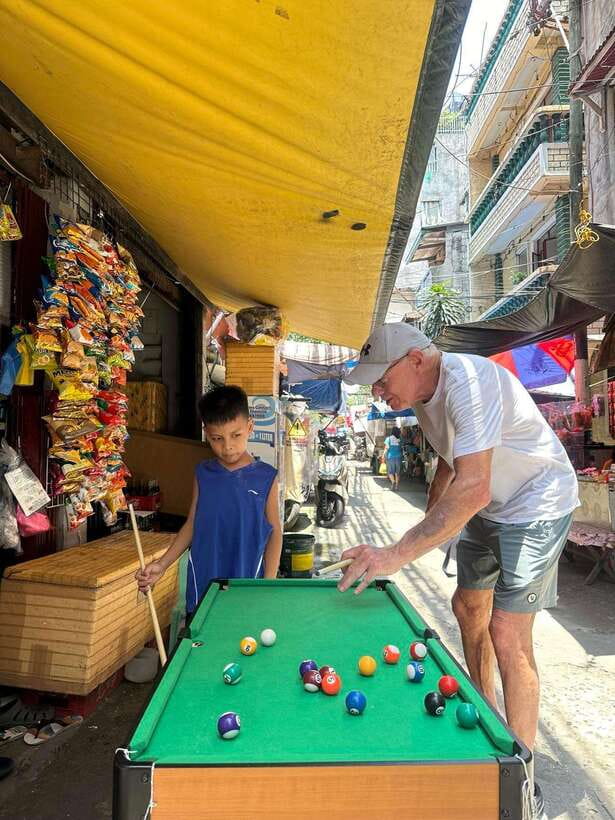
The tour includes both a jeepney ride and a tricycle ride. These are not decorative extras. They show you two common forms of local transport and help connect the walking sections.
The jeepney ride is often the most playful part of the outing. You sit close to local passengers and see Manila at street level, with the route unfolding in a way no private car can match. For a first-time visitor, it is a simple but memorable lesson in how people get around.
The tricycle gives you a different view. It is smaller and more intimate, useful for moving through tighter local streets. One description of the experience places the tricycle or tuk-tuk ride near the market route toward Chinatown, where you can watch produce and groceries pass by at close range.
Transport conditions are part of the experience, not a flaw to be hidden. You may encounter traffic, noise, or a compact ride. If you prefer quiet, private transport, this will not be your ideal Manila tour. If you want to understand the city through its everyday vehicles, the included rides add real value.
What the guides add to the experience
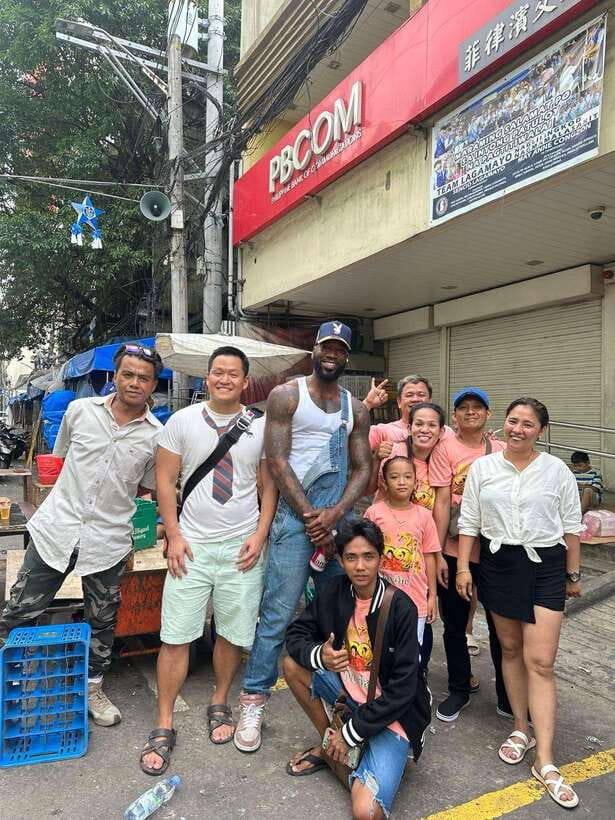
The guides are central to the quality of this tour. Venus is described as energetic, kind, and easy to spend time with. She shares personal insight, adds food stops, and helps the route feel like an afternoon with a local friend rather than a formal lecture.
Floyd offers a more security-conscious and deeply personal perspective. He grew up in the community and has earned local respect through his police work and other training. That background can be reassuring in a setting where a visitor may not know which streets, customs, or situations require care.
Another guide is referred to simply as V, who explains local solutions to daily problems and makes the wet market visit more meaningful. The operator is V.S Tour Services, and guide assignment may vary. If you have a strong preference for Venus or Floyd, ask whether a particular guide is available rather than assuming.
The experience has also been described as safe and welcoming, but no guide can remove every normal city risk. Keep your belongings secure, stay with the group, and follow local instructions. The guide’s local standing helps, yet sensible habits still matter.
Is this tour respectful or voyeuristic?
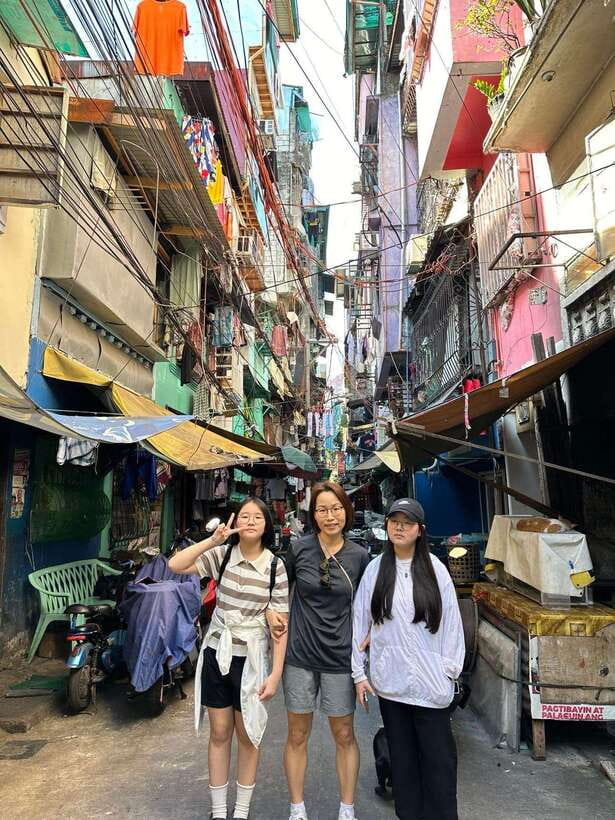
That is the most serious question to ask before booking. A tour of a poor neighborhood can easily become uncomfortable if it treats residents as scenery. You should think carefully about your own reasons for going.
This experience can work as an educational walk when the guide explains local conditions, introduces you respectfully, and focuses on people’s work, family life, and resourcefulness. The supplied descriptions emphasize community strength, local hospitality, and the practical ways residents respond to challenges. One guide is also described as giving money to people in need, though visitors should not assume that generosity is part of every departure.
Your behavior matters. Dress modestly, ask before taking photos, do not hand out sweets or cash to children, and avoid blocking lanes while taking pictures. Buy food when invited, listen to the guide, and remember that people live and work here after the tour group leaves.
I would not choose this activity if you want poverty presented as a thrilling backdrop. I would choose it if you want a direct, guided look at Manila’s social realities and are prepared to be humble, observant, and respectful.
Is $65 good value for two hours?
At $65 per person, this is not the cheapest way to spend two hours in Manila. You are paying for a small-group guide, local knowledge, planning, and the confidence to enter areas you might not visit on your own. The fee also includes the tricycle ride, jeepney ride, and stated food and drink inclusions.
For a group of up to 10, the experience should feel more personal than a large city tour. You can ask questions, hear stories, and stay connected to the guide. The price makes more sense if the guide is the main reason you are booking, not simply the transport.
The two-hour length is both a strength and a limit. It fits neatly into a Manila itinerary and gives you a focused look at Tondo, the market, and Chinatown. It is too short for a slow, detailed study of each district, so consider it an introduction rather than a complete neighborhood tour.
Free cancellation up to 24 hours before the start and reserve-now, pay-later booking add useful flexibility. Starting times vary, so check availability for your date. English is the stated tour language.
Who should book this Tondo experience?
I would recommend it to curious first-time visitors who have already seen Manila’s better-known sights and want to understand more of the city’s daily life. It also suits people who enjoy street food, local transport, markets, and conversations more than polished attractions.
It is a good fit for solo visitors and couples who want a guided introduction to a part of Manila they might find hard to navigate alone. The small group limit should also help families or friends ask questions without getting lost in a crowd, though the operator does not provide specific child or accessibility details.
I would be cautious about booking if you dislike crowded streets, informal transport, market smells, or close residential settings. You should also skip it if you want a relaxed sightseeing stroll with guaranteed quiet and comfort.
Should you book it?
Book this tour if you want an honest, guided look at Tondo, local markets, Chinatown, and Filipino life beyond the usual Manila stops. The strongest reasons are the personal guides, the included jeepney and tricycle rides, and the food tastings that turn observation into conversation.
The main decision is ethical and personal: can you enter a poor community with respect rather than curiosity alone? If the answer is yes, this can be one of the most useful two-hour introductions to Manila. Confirm the Tondo meeting details, ask about the guide assigned to your date, and arrive ready to listen.
FAQ
Where does the tour meet?
Meet your guide at Tutuban Center Mall, near the Bonifacio Monument and Lawson Convenience Store.
How long does the experience last?
The tour lasts two hours.
How much does the tour cost?
The listed price is $65 per person.
What language is the tour conducted in?
The live tour guide speaks English.
How large is the group?
The experience is limited to 10 participants.
What transport is included?
The price includes a tricycle ride and a jeepney ride.
Are food and drinks included?
Food tastings are part of the experience, with bao and egg tarts specifically associated with the stops. Descriptions also include a drink and, in some cases, a beer. Confirm the exact inclusions for your departure.
Can I cancel for a full refund?
Yes. You can cancel up to 24 hours in advance for a full refund.
Can I reserve now and pay later?
Yes. The booking option allows you to reserve your place and pay nothing at the time of booking.
Just added around Manila
- Underground River with Lunch★ 3.6 · 5 reviews
- Private Tour: Tagaytay Midlands & Taal Volcano Boat Ride★ 4.5 · 15 reviews
- 3 Days Private Tour in Banaue Ifugao visiting Batad Rice Terraces★ 3.5 · 3 reviews
- Tagaytay Adventure: Volcano Views, Countryside, Market & Cruise!★ 4.5 · 14 reviews
- Tagaytay Day Tour sightseeing with Panoramic Taal volcano view★ 5.0 · 6 reviews
- Unforgettable Manila Fishing Village Day Excursion 2024★ 5.0 · 4 reviews
- Tagaytay + Hidden Valley Springs: A Scenic Escape w/ Transfers★ 4.0 · 4 reviews
- Cultural Dinner and Show in Manila★ 5.0 · 4 reviews
Markets, compared.

Manila’s Culinary Expedition: The Ultimate Food and Market Tour
Read our review →
Private Market Tour and Filipino Cooking Class in Manila with Isi
Read our review →
Tagaytay Adventure: Volcano Views, Countryside, Market & Cruise!
Read our review →
Browse the lists this tour appears in