
Reviewed · MANILA TOURS
Revolutionary Tour of Manila
The most powerful part of this three-hour tour is its look at Fort Santiago’s prison cells and wartime dungeons, where the story of Philippine freedom becomes painfully personal. You move from reformers and revolutionaries to civilian prisoners and the Japanese occupation, then continue through Intramuros to the city’s great churches.
I like the focus on unsung patriots, not only the famous names. I also like the route itself: Fort Santiago, Manila Cathedral, San Agustin Church, and Calle Real create a clear path through Manila’s political, religious, and wartime past. The main caution is that church access can be interrupted by Mass, which may shorten the tour.
Key points to know before you book
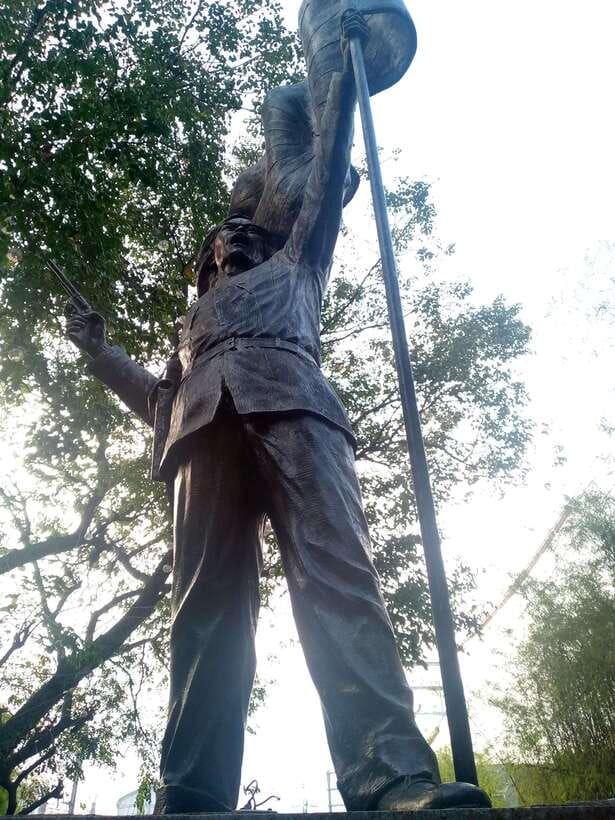
- Fort Santiago begins the story: Allow about an hour for prison cells, dungeons, Dr. Jose Rizal, and the deaths of 600 Filipino and American civilian prisoners of war.
- The tour follows Manila’s road to freedom: You hear about pre-Hispanic society, Spanish rule, reformism, revolution, the Philippine-American War, and Japanese occupation.
- Two major churches add another angle: Manila Cathedral brings church and government conflict into view, while San Agustin Church shows how one building endured repeated upheaval.
- Guide Jerome may lead the experience: He speaks English and German and is also associated with a Chinatown tour.
- The route is practical and compact: The main stops fit into three hours, with transportation included and a return to Fort Santiago.
- Plan for heat and mosquitoes: Sunscreen and mosquito repellent are specifically recommended.
Why this Intramuros tour feels different
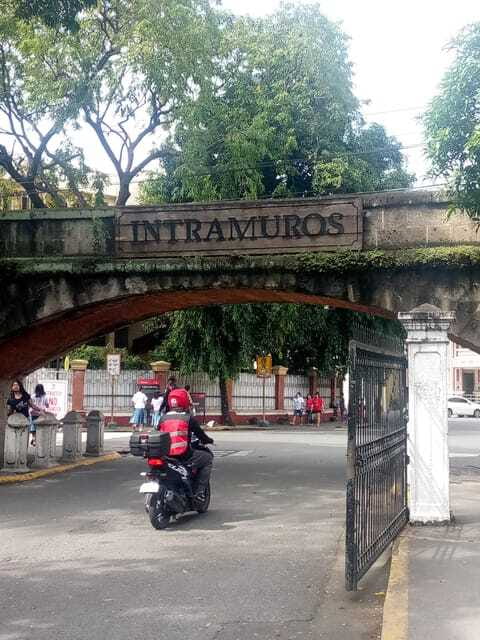
Many visits to Intramuros focus on Spanish walls, old churches, and handsome colonial streets. This tour takes a sharper approach. It asks you to look at Manila as a place shaped by occupation, resistance, reform, and sacrifice.
That makes the experience useful if you want more than pretty architecture. The guide connects buildings with the people who used them, fought around them, prayed in them, or died inside them. You get a story of the Philippines that moves from the pre-Hispanic era through Spanish and American rule and into the Japanese occupation.
The route also helps you understand how power worked. Churches were not only places of worship. Government offices were not simply administrative spaces. Fortifications were prisons, military posts, and symbols of control. Along the way, the guide explains how the church and government competed for influence, and how Filipinos responded through reform and revolution.
I would not book this as a light sightseeing stroll with a few historical comments. The subject is serious, especially inside the dungeons and prison rooms. But that seriousness is also the point. You leave with a better sense of why independence mattered and why the path to it was not simple.
Other Manila days worth booking alongside this:
- Intramuros, Manila: Historical Bamboo Bike Tour
★ 4.8 · 583 reviews - Experience Intramuros with Bamboo Bicycle – Ecotours
★ 5.0 · 508 reviews - Manila: Intramuros, Chinatown, and Old Manila Half-Day Tour
★ 4.8 · 475 reviews
Fort Santiago, where the story turns personal
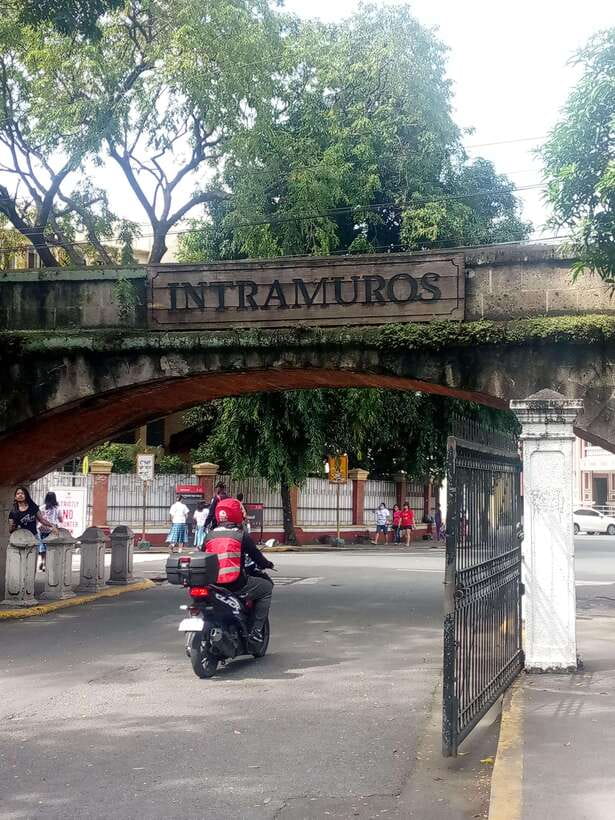
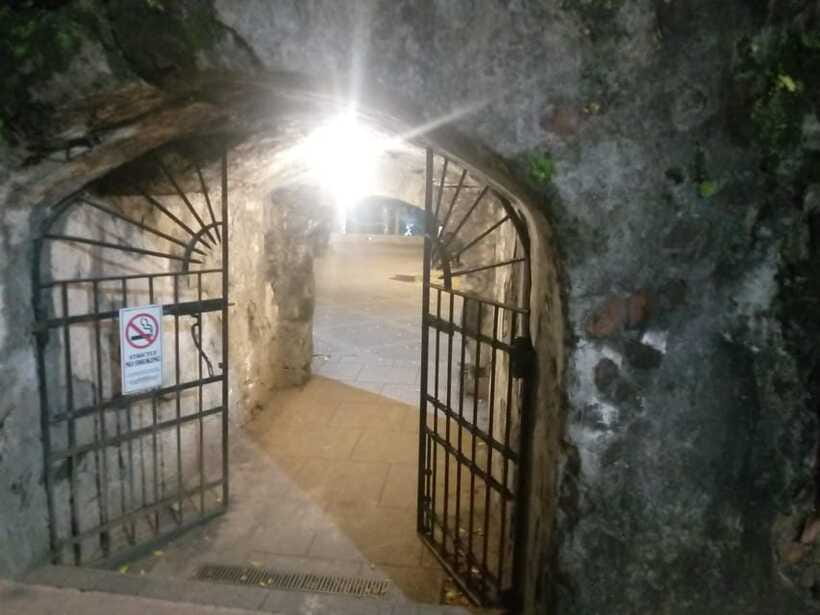
The tour starts at the Fort Santiago Gate on 18 Sta. Clara Street. Look for the guide holding the tour poster. Fort Santiago is a strong opening because it places you inside a site tied to military authority, imprisonment, resistance, and national memory.
You spend about an hour here. That is the longest single stop, and it needs the time. The guide discusses patriots from the pre-Hispanic period through the Japanese occupation, so the fort becomes a starting point for a much larger national story.
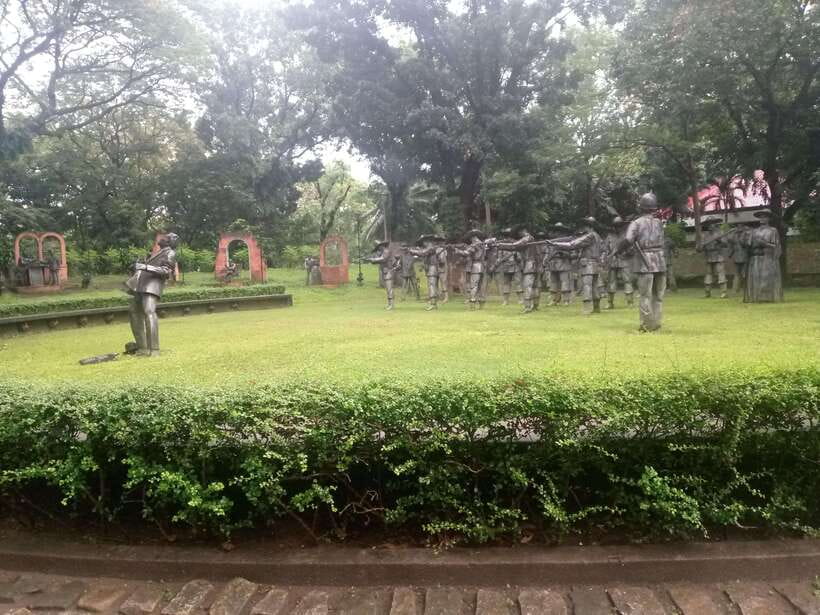
One of the key moments is the last prison cell of Dr. Jose Rizal. Rizal is central to Philippine reform and national identity, and seeing the cell connected with his final imprisonment gives the political story a human scale. The tour explains the difference between reformism and revolution, showing how ideas about changing Spanish rule developed into a broader struggle for freedom.
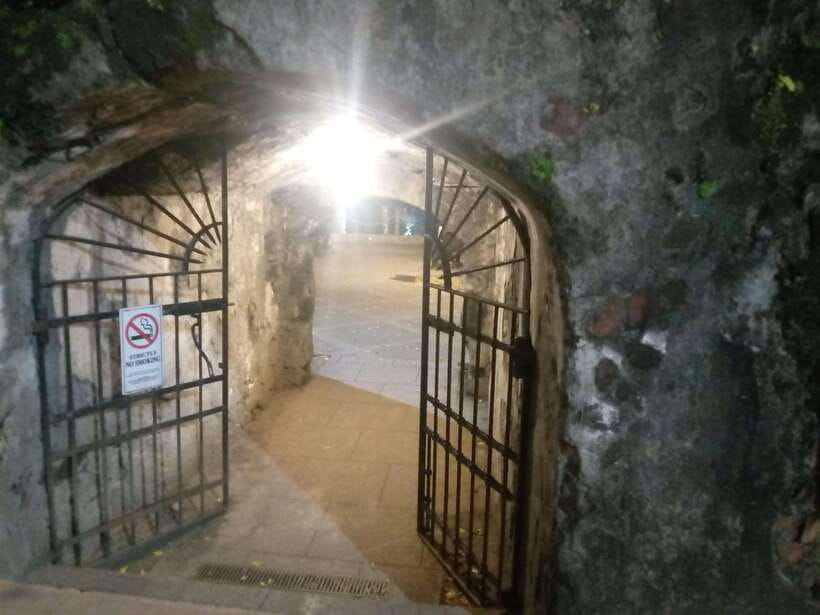
The fort’s dungeons are harder to process. You are told about the limited air supply and the conditions endured by prisoners. The tour also leads you to the mass grave connected with the deaths of 600 Filipino and American civilian prisoners of war.
This portion requires attention and respect. It is not presented as a theatrical scare stop. The value comes from learning the names and circumstances behind a site that can otherwise look like another old military structure. If you prefer history presented without difficult wartime material, this may feel heavy. If you want to understand the cost of occupation, it is the most important section of the route.
Wear sensible shoes. Even a three-hour tour can feel longer in Manila’s heat, especially when the most absorbing part takes place outdoors and in old stone spaces. Sunscreen is a wise addition, and mosquito repellent is specifically advised.
Manila Cathedral and the struggle for power
From Fort Santiago, the tour continues to Manila Cathedral, where the focus shifts from prison and military force to religion and government.
The guided visit lasts about 30 minutes. That is enough time to hear the central story, but it is not a long architectural study. The important point is the church’s role in the wider contest for authority. The guide explains the power struggle between the church and the government, giving you a way to read Intramuros as a political center rather than only a religious quarter.
This stop works best if you listen for connections. The fort represents armed control. The cathedral represents institutional and spiritual power. Together, they show why Intramuros was such an important center of colonial Manila.
The practical issue is access. A Mass or church service may prevent entry. One booking experienced both churches being closed for Mass, making the tour much shorter than planned. That is a real consideration, not a minor footnote. Church schedules can change the balance of the experience, particularly because Manila Cathedral and San Agustin Church each have only about 30 minutes assigned to them.
If the cathedral is unavailable, you may still hear the guide’s explanation from outside, but the experience will not be identical to an interior visit. I would check the starting time carefully and ask at the meeting point whether services are affecting the route.
General Luna Street and the Philippine-American War
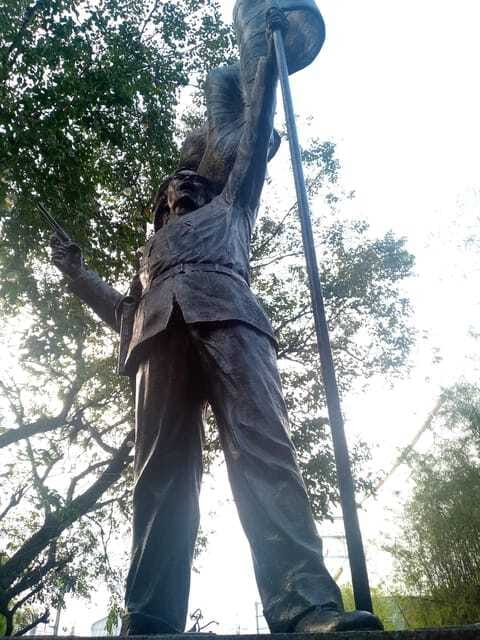
The walk along General Luna Street adds a different chapter. Here, the guide tells stories of courage and sacrifice during the Philippine-American War.
This section matters because the path to independence did not end with Spanish rule. The change from Spanish control to American rule brought another period of conflict, and the tour keeps that part of the story in view. You begin to see Philippine history as a chain of changing authorities rather than a single struggle with one colonial power.
The street itself is valuable because the guide uses an ordinary route to explain extraordinary events. You are not confined to a museum room or a formal memorial. You move through the historic center while hearing how people experienced war, political change, and the fight for self-rule.
I appreciate this part of the tour because it keeps the focus on Filipino choices and sacrifices. The experience is called revolutionary for a reason, but it does not treat revolution as a simple heroic tale. Reformers, patriots, soldiers, civilians, churches, and governments all enter the story.
The route is also manageable. You are not being asked to cover all of Manila in one afternoon. The compact walk keeps the subject focused and gives the guide time to explain rather than rush from one landmark to another.
Same islands, a completely different day on the water:
- Manila: Old & New 4-Hour City Tour
★ 4.5 · 458 reviews - Manila Food Tour: Introduction to Philippine Street Food
★ 5.0 · 417 reviews - Spectacular Manila to Tagaytay: Full-Day Sightseeing Tour
★ 5.0 · 349 reviews - Makati Nightlife: VIP Access to Clubs, Rooftops & Go-Go Bars
★ 4.9 · 278 reviews
San Agustin Church and survival through changing eras
San Agustin Church receives another 30-minute guided visit. It is one of the most meaningful stops because the guide uses the building’s endurance to explain the different periods that shaped Intramuros.
The church is not treated only as an old religious monument. Its survival becomes a way to discuss continuity, destruction, occupation, and recovery. You hear how it endured through changing historical periods, which gives the building a role in the same national story introduced at Fort Santiago.
This stop also shows the contrast between religious and military spaces. At Fort Santiago, history is tied to confinement and death. At San Agustin, the emphasis turns toward resilience and survival. The contrast gives the three-hour route a useful rhythm.
Again, church access is the weak point. A Mass may close the interior, and that can cut a planned half-hour visit. If San Agustin is open, the guide’s explanation adds much more than a quick look at the facade. If it is closed, you should expect the visit to feel incomplete.
I would treat the church visits as valuable parts of the tour, but not as guaranteed interior experiences. The historic route still has value if access changes, yet the tour price makes more sense when all the principal stops can be properly covered.
Calle Real and the changing face of Intramuros
The tour finishes at Calle Real, once the main downtown street of Intramuros. This is a fitting ending because the guide asks you to compare the former center of Manila with what it has become today.
The stop is less about one preserved building and more about change. Calle Real lets you consider how a central district can lose its old role and take on a different character. The guide points out the contrast between its earlier importance and its present condition.
I like ending here rather than returning immediately to the fort. The route closes with a question about memory: What happens when a city’s old center no longer functions as it once did? After the intense stories of prison, war, and religious power, Calle Real gives you a broader view of Manila’s past and present.
The official drop-off options are at 18 Sta. Clara Street, Fort Santiago. That makes the tour easy to combine with more sightseeing in Intramuros, provided you have enough time and energy after three hours in the heat.
What the three-hour schedule means for you
The timing is compact but sensible:
- Fort Santiago: about 1 hour
- Manila Cathedral: about 30 minutes
- San Agustin Church: about 30 minutes
- Walking and transportation between stops: part of the remaining time
Transportation is included, and one highly positive account specifically praised it as fun. The supplied information does not explain the vehicle or the exact distances, so I would not book this expecting a long panoramic ride. Think of transportation as a practical part of moving through the historic district.
The three-hour length suits you if you want a focused introduction before exploring more of Manila on your own. It is also useful on a busy day because the route covers several major Intramuros sights without taking up a full morning or afternoon.
The schedule becomes less secure if Masses interrupt both church visits. In that case, Fort Santiago carries most of the historical weight, and the overall experience may finish early. Ask about church access when you meet the guide if seeing the interiors matters to you.
Guide quality and language choices
The tour offers live guiding in English or German. Guide Jerome is specifically associated with the experience and has been praised for speaking both languages well. His connection with a Chinatown tour may be useful if you want to continue exploring Manila’s history through another guided route.
A good guide matters here because the sights do not explain themselves. Fort Santiago’s walls cannot tell you why Rizal was imprisoned there. A church facade cannot fully explain the struggle between religious and government authority. The guide supplies the links between place and event.
The strongest feedback about this experience centers on its historical detail and clear explanation. One booking described it as extremely informative and interesting, while another called it excellent and full of historical detail. That points to the tour’s main strength: interpretation, not entertainment alone.
The critical point is also useful. One person found that the tour lacked a general introduction at the beginning. I would solve that by arriving with a basic question in mind: How did Manila move from pre-Hispanic society through Spanish rule, American rule, and Japanese occupation toward independence? Asking for that broad outline early can help you fit the individual stories together.
Is $60 good value?
At $60 per person, this is not the cheapest way to see Intramuros. The price includes a professional guide, entrance fees, and transportation, which makes the value depend largely on the guide’s quality and on whether all three major sites are accessible.
I think the cost is reasonable if you want a structured history tour in English or German and would otherwise pay separate entrance fees or struggle to connect the sites yourself. Fort Santiago alone can occupy a full hour when presented properly, and the added church visits create a useful three-part route.
The price is less convincing if you mainly want photographs or a quick walk around the walls. You may prefer a self-guided visit if you do not need context, especially since the tour can be shortened by church services.
The best value comes when you care about the political story, the prison history, and the voices of lesser-known patriots. The weakest value comes when interior church access is blocked and the general introduction feels too brief.
Who should book this experience?
I would recommend it to first-time visitors who want a clear introduction to Intramuros and to anyone interested in Philippine independence. It suits history-minded couples, families with older children, and visitors who prefer a guide to explain difficult events while they walk.
It is also a good fit if you want to hear about more than Spanish colonial architecture. The tour includes reformism, revolution, the Philippine-American War, civilian prisoners of war, Japanese occupation, church authority, and the changing role of Calle Real.
I would think twice if you want a relaxed, purely scenic outing. The subject matter includes imprisonment, death, and war, and the dungeons can be physically uncomfortable. I would also be cautious if your main goal is guaranteed church interiors, since Mass can change the route.
The experience is wheelchair accessible, and alcohol and drugs are not allowed. Bare feet are also prohibited. Bring water, sunscreen, and mosquito repellent, even though meals and drinks are not included.
Booking decision
Book this tour if you want historical context, a compact Intramuros route, and a guide-led account of the Filipino struggle for freedom. Fort Santiago is the anchor, and the stories of Rizal, civilian prisoners, and overlooked patriots give the experience real weight.
Before paying, confirm the starting time and ask whether Mass is likely to affect Manila Cathedral or San Agustin Church. If both churches are available, $60 can be fair value for the guide, admissions, transportation, and focused interpretation. If church access is uncertain, book it for the fort and the historical commentary rather than expecting a complete church tour.
Free cancellation up to 24 hours before the start and the reserve-now, pay-later option make it easier to keep plans flexible. For a short, serious introduction to Intramuros, this is a worthwhile choice, with the practical warning that the quality of the day depends on church access and the guide’s opening explanation.
FAQ
Where does the Revolutionary Tour of Manila meet?
Meet at the Fort Santiago Gate at 18 Sta. Clara Street. The guide has the tour poster.
How long does the tour last?
The tour lasts three hours. Fort Santiago receives about one hour, while Manila Cathedral and San Agustin Church each receive about 30 minutes.
Which places are included?
The route includes Fort Santiago, Manila Cathedral, San Agustin Church, General Luna Street, and Calle Real in Intramuros.
Is transportation included?
Yes. Transportation is included, and the listed drop-off location is 18 Sta. Clara Street at Fort Santiago.
What languages are available?
The live guide is available in English or German.
Is the tour wheelchair accessible?
Yes, the activity is listed as wheelchair accessible.
What happens if I need to cancel?
You can cancel up to 24 hours in advance for a full refund. You can also reserve your place and pay later.
Just added around Manila
- Underground River with Lunch★ 3.6 · 5 reviews
- Private Tour: Tagaytay Midlands & Taal Volcano Boat Ride★ 4.5 · 15 reviews
- 3 Days Private Tour in Banaue Ifugao visiting Batad Rice Terraces★ 3.5 · 3 reviews
- Tagaytay Adventure: Volcano Views, Countryside, Market & Cruise!★ 4.5 · 14 reviews
- Tagaytay Day Tour sightseeing with Panoramic Taal volcano view★ 5.0 · 6 reviews
- Unforgettable Manila Fishing Village Day Excursion 2024★ 5.0 · 4 reviews
- Tagaytay + Hidden Valley Springs: A Scenic Escape w/ Transfers★ 4.0 · 4 reviews
- Cultural Dinner and Show in Manila★ 5.0 · 4 reviews
Manila Tours, compared.

Intramuros, Manila: Historical Bamboo Bike Tour
Read our review →
Experience Intramuros with Bamboo Bicycle – Ecotours
Read our review →
Intramuros, Chinatown, and Old Manila Half-Day Tour
Read our review →
Manila Food Tour: Introduction to Philippine Street Food
Read our review →
Spectacular Manila to Tagaytay: Full-Day Sightseeing Tour
Read our review →
Discover Tagaytay’s Countryside: Half-Day Sightseeing Tour
Read our review →
Manila Food Tour: Explore World’s Oldest Chinatown
Read our review →Browse the lists this tour appears in