

Reviewed · MANILA INTRAMUROS WALKING TOURS
Intramuros, Manila Chinatown and Tondo Manila Day Tour
Manila’s past and present come together in one brisk route: Tondo Market, Binondo’s Chinese-Filipino streets, and the stone walls of Intramuros. You move from ordinary neighborhood life to old trading streets and then into the city’s Spanish colonial center.
I like the three-part story and the small maximum group of 12. I also like that guides such as Floyd, Venus, and Jane are praised for being friendly, clear, and generous with local knowledge. The main drawback is time: one hour at each stop is enough for an introduction, not a slow, detailed visit.
Key points to know before booking
- Tondo Market begins the tour: Expect produce, seafood, local food stalls, and a close look at everyday Manila life.
- Binondo is the food and culture stop: Ongpin Street, Binondo Church, and Chinese-Filipino traditions shape this hour.
- Intramuros finishes the route: Fort Santiago and Manila Cathedral provide the strongest historic sights.
- The tour runs about three hours: It is useful for a first orientation, but too short for lengthy museum visits.
- Small groups help: The maximum is 12 people, giving you a better chance to hear and speak with your guide.
- The tone needs thought: Tondo includes visible poverty, so book this for cultural context, not for treating hardship as a spectacle.
Three Manilas in three hours
This tour works because the neighborhoods feel different from one another. Tondo shows you a working district and a local market. Binondo presents centuries of Chinese-Filipino trade, food, and faith. Intramuros brings you to churches, defensive walls, and the colonial era.
That contrast is the point. If you only visit Intramuros, you may leave with a narrow picture of Manila as an old Spanish city. If you only walk through Binondo, you miss the city’s colonial center. Starting in Tondo gives the route a present-day anchor.
The pace is quick. Each stop receives about an hour, and the tour begins in Tondo and ends at Fort Santiago Plaza in Intramuros. You should think of this as a guided introduction with strong local context, rather than a full museum tour or an extended food walk.
The experience costs $75 per person. That is not a low-cost way to walk around Manila on your own, but the value depends on what you want from the morning or afternoon. You are paying for a local guide, a planned sequence through three areas, a small group capped at 12, and admission to Fort Santiago. If you want background, orientation, and help making sense of the city, the price can be reasonable. If you mainly want independent sightseeing, it may feel expensive for three hours.
More Manila Intramuros Walking Tours in Luzon:
- Manila Old and New: Sightseeing Tour Including Intramuros and Fort Santiago
★ 4.5 · 377 reviews - Manila’s Walled City: Intramuros Walking Tour
★ 5.0 · 82 reviews - Express Bamboo Bike Tour inside Intramuros
★ 4.5 · 66 reviews
Tondo Market: Manila life at street level
The tour begins at Tondo Market, in one of Manila’s oldest districts. The market is filled with stalls selling fresh produce, seafood, and local delicacies. This is not a polished attraction. Its appeal is the chance to see shopping, food, and neighborhood routines in their normal setting.
I like this opening because it gives the rest of the tour a human scale. You are not starting with a grand monument. You are starting with the daily business of feeding a city. The guide can help explain what you are seeing, which matters in a market where unfamiliar food, crowded alleys, and local customs can be hard to read on your own.
The market portion is included in the tour price, with no separate admission charge. It is scheduled for one hour, so expect a walk through the market rather than a long tasting session or a detailed shopping trip. The description does not promise a set number of food samples, so you should not book this expecting a formal meal.
Tondo also calls for a respectful attitude. The district includes evident poverty, and one unhappy customer felt the visit framed poor communities as a spectacle. That concern is worth taking seriously. You will get more from this stop if you treat it as a neighborhood with working families, commerce, and community life, not as a photo opportunity.
A good guide should explain rather than merely point. Floyd is repeatedly singled out for his friendly manner and strong grasp of Manila’s past and culture. Venus and Jane are also praised for making the walk feel personal and easy to follow. The quality of the experience will depend heavily on how your guide handles Tondo’s social realities.
Binondo and Ongpin Street: Food, trade, and Chinese-Filipino Manila
From Tondo, the route continues to Binondo, identified as the world’s oldest Chinatown, founded in 1594. The hour here focuses on the district’s Chinese-Filipino character, with Ongpin Street providing the main street scene.
Binondo is where the tour’s food and cultural themes come together. Its history is not presented only through dates. You see it in the shops, food businesses, signs, religious buildings, and the movement of people through the district. The supplied details point to traditional food and culinary stops, but they do not promise a fixed tasting menu. If you have dietary restrictions, ask what food is included before booking.
The planned sights include Binondo Church and the Filipino-Chinese Friendship Arch. These landmarks help show how different communities and traditions have shaped the area. One church, one arch, and one street do not tell the whole story, but together they give you useful reference points during a short visit.
Ongpin Street is likely to feel crowded and active. That is part of its appeal, but it can also make the walk tiring or difficult for anyone who prefers a quiet pace. Stay close to the guide, especially in busy sections, and use the hour to notice details rather than trying to cover every side street.
This is also the stop where a guide’s personality makes a real difference. Floyd is described as happy to answer questions, while Venus is praised for clear communication and an engaging manner. Those qualities matter in Binondo because you may want to ask about food, language, customs, and the connection between Chinese and Filipino communities.
The tour includes no separate admission fee for Binondo. Its value here comes from interpretation and direction. On your own, you can walk Ongpin Street for free, but a guide can help connect the food, faith, and trade history into a clearer picture.
Intramuros: Fort Santiago and Manila’s colonial center
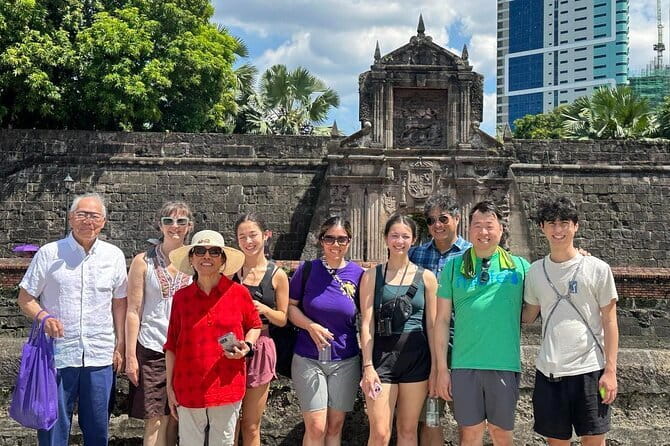
The final hour takes you into Intramuros, Manila’s walled city. Here the visual change is sharp: older stone buildings, formal religious architecture, and defensive structures replace the market streets and commercial lanes of the first two stops.
Fort Santiago is the main included attraction, and the tour ends at Fort Santiago Plaza. The fort gives you a direct way to explore Manila’s colonial past through its walls, grounds, and historic setting. The route also includes Manila Cathedral, where the architecture becomes the focus.
Fort Santiago is the strongest stop for visitors who want a clear historic landmark. It is also where the tour’s short length becomes most noticeable. One hour can provide a useful walk and explanation, but it will not allow unlimited time for every room, display, or nearby church. If Intramuros is your main reason for visiting Manila, plan a separate return visit.
Ending at Fort Santiago is practical. You finish at a major site rather than circling back to Tondo. The stated end point is Fort Santiago Plaza, Intramuros, Manila 1002. Since the starting point is in Tondo, you should pay attention to the meeting instructions supplied after booking and allow enough time to reach the start.
The route’s order also works well thematically. Tondo shows present-day community life. Binondo shows a long Chinese-Filipino connection. Intramuros closes with Spanish rule and the built remains of that era. In three hours, you receive a quick lesson in how Manila has been shaped by different peoples and periods.
More Manila Street Food Tours in Luzon:
- Manila: Intramuros, Chinatown, and Old Manila Half-Day Tour
★ 5.0 · 37 reviews - Makati Street Food Experience end with a Rooftop Bar
★ 5.0 · 33 reviews - Intramuros & Chinatown Manila Tour – Walking, Food & Culture
★ 4.5 · 32 reviews - Manila: Binondo Walking Tour ( Oldest Chinatown )
★ 5.0 · 30 reviews
How much value does $75 offer?

At $75, this is a midrange guided experience rather than a budget walk. The tour lasts about three hours, includes Fort Santiago admission, and limits the group to 12. Those details support the price more than the sightseeing alone does.
You can visit public streets and view many landmarks without paying an admission fee. Tondo Market and Binondo are not expensive attractions in themselves. The reason to pay is the guide’s help with context, route planning, cultural explanation, and questions.
The price makes the most sense for you if:
- You have limited time in Manila.
- You want a guide to connect several districts.
- You prefer a small group to a large coach tour.
- You want a local introduction before exploring alone.
- You are comfortable with a quick pace and ordinary city conditions.
It makes less sense if you want a relaxed food tour, extensive time inside Intramuros, or a private experience. The three one-hour sections leave little room for delays, long meals, or independent wandering.
The overall rating is 4.1 from eight ratings, which suggests a generally positive but not flawless record. The strongest praise centers on the guides, especially Floyd, Venus, and Jane. One serious complaint describes a cancellation less than two hours before departure, with weather given as the reason despite clear conditions in the area. That is a warning about reliability, even though it is only one reported case.
You can cancel for a full refund if you do so at least 24 hours before the start time. Changes or cancellations inside that window are not accepted for a refund. Confirmation arrives when you book, and the tour uses a mobile ticket.
The guide matters more than the route
The basic route is easy to understand. The harder question is how well it will be explained. This is a people-centered tour, and the guide sets the tone at every stop.
Floyd receives especially strong praise for his friendly approach, enthusiasm, and ability to answer questions. Venus is described as easy to find at the meeting point, communicative, and warm. Jane is praised for making the experience feel caring and personal. These comments point to a tour that can feel more like walking with a local companion than following a script.
That does not guarantee the same guide on every departure. The experience provider is Manila Experience, also listed as V.S Tour Services, and the available information does not promise a particular guide. You should enjoy the names as useful indicators of the company’s guide team, not as a guarantee that one of them will lead your date.
Ask questions. The tour covers sensitive subjects, including poverty, colonial rule, migration, food, and community identity. A strong guide can help you see Tondo with respect and understand Binondo beyond its restaurant signs. A weaker explanation would leave you with a fast walk and a set of disconnected stops.
Who should book this experience?
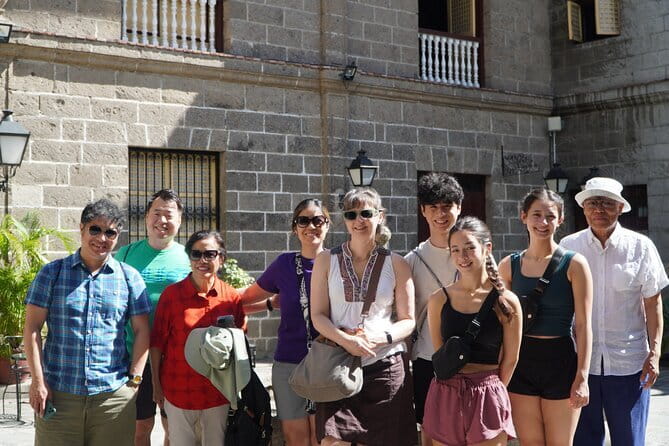
I would recommend this tour to first-time visitors who want a compact introduction to Manila’s older districts. It also suits anyone with a spare half-day who wants more than a single monument but less than a full-day city program.
It is a good match for curious walkers, history fans, food-minded visitors, and people who like to ask questions. The group limit of 12 is helpful if you value conversation and do not want to be lost in a large crowd.
You may want another option if you dislike markets, crowded streets, visible hardship, or fast schedules. It is also not the best choice if your main goal is to study Intramuros in detail. In that case, use this experience as an orientation, then return to the walled city with more time.
Wear practical walking clothes and prepare for an active three hours. The supplied information does not specify transportation between stops, food inclusions, or accessibility details, so check those points before paying if they affect your decision. Most people can participate, but the market and street portions may be demanding for anyone who needs a slow or highly predictable route.
Should you book the Tondo, Binondo, and Intramuros tour?
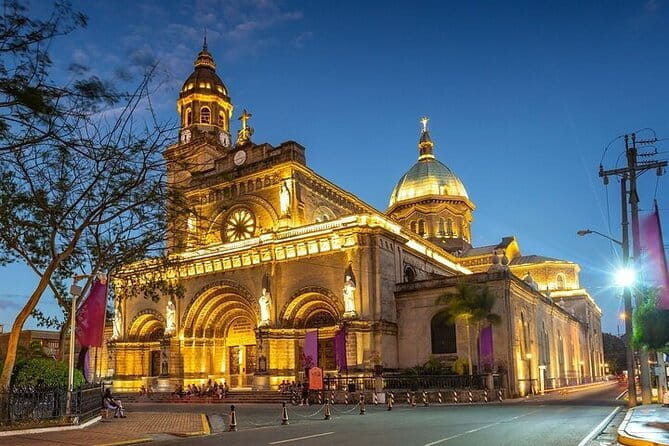
Book it if you want three distinct sides of Manila in one compact outing and value a guide’s explanation more than free-form sightseeing. The route is well chosen, the small group cap is useful, and the final stop at Fort Santiago gives the tour a strong finish.
Skip it if you want a long food crawl, a private tour, or several hours inside Intramuros. At $75, the experience earns its price through guidance and structure, not through the number of included attractions.
My practical call: book this early if your schedule is tight, since it is commonly reserved about 21 days ahead. Just keep your expectations clear. You are signing up for a brisk, thoughtful introduction to Manila’s communities and past, not a leisurely day in one historic quarter.
FAQ
How long does the tour last?
The tour lasts approximately three hours, with about one hour allocated to Tondo Market, one hour to Binondo, and one hour to Intramuros.
Where does the tour begin?
The tour begins in Tondo, Manila, Metro Manila, Philippines. The exact meeting instructions are provided with your booking confirmation.
Where does the tour end?
The tour ends at Fort Santiago Plaza in Intramuros, Manila, 1002 Metro Manila, Philippines.
What places are visited?
The route includes Tondo Market, Binondo Chinatown, Ongpin Street, Binondo Church, the Filipino-Chinese Friendship Arch, Fort Santiago, and Manila Cathedral.
Is admission included?
Admission is listed as free for Tondo Market and Binondo. Fort Santiago admission is included in the tour price.
How many people can join the tour?
The maximum group size is 12 people.
Is the tour available with a mobile ticket?
Yes. The experience features a mobile ticket.
Can I cancel for a full refund?
Yes. You can cancel at least 24 hours before the start time for a full refund. Cancellations made less than 24 hours before the start time are not refunded.
Is the tour suitable for most people?
The tour information says most people can participate. It does not provide detailed accessibility information, so ask the provider about specific mobility or access needs before booking.
Just added around Luzon
- Villa Escudero Tour with Lunch From Manila (SHARED)★ 5.0 · 5 reviews
- Private Filipino Cooking Class in the Heart of Manila,Makati City★ 5.0 · 5 reviews
- Villa Escudero Coconut Plantation Day Trip from Manila★ 3.5 · 9 reviews
- VILLA ESCUDERO DAY TOUR with Carabao Cart Ride and Bamboo from Manila★ 4.0 · 6 reviews
- Angeles City / Clark Airport to La Union (Bauang, San Fernando, San Juan)★ 3.5 · 4 reviews
- The Jeepney & Tuk Tuk Adventure ride with Local Guide★ 4.5 · 4 reviews
- Sagada and Banaue Rice Terraces 4-Day Tour★ 5.0 · 4 reviews
- Pagsanjan Falls Adventure with Lunch and Rapids Experience★ 4.5 · 3 reviews
Manila Intramuros Walking Tours, compared.

Intramuros, Manila: Historical Bamboo Bike Tour
Read our review →
Experience Intramuros with Bamboo Bicycle – Ecotours
Read our review →
Intramuros, Chinatown, and Old Manila Half-Day Tour
Read our review →
Manila Old and New: Sightseeing Tour Including Intramuros and Fort Santiago
Read our review →
Explore Intramuros: Introduction to Philippine History
Read our review →Browse the lists this tour appears in