
Reviewed · MANILA TOURS
Bataan Death March memorial tour
The most affecting part of this day is not a grand battlefield view, but the human link between the places and the people who suffered there. Guides such as JB Quemado have shared stories of relatives who survived the march and imprisonment, giving the memorials a personal voice.
I like the private format, which lets you ask questions and adjust the pace. I also like the mix of formal memorials and smaller museums, especially the Bamban Museum, where local objects and stories add texture that a standard monument visit may miss.
The trade-off is time. This is a long day with several hours on the road, and the route may run in reverse to reduce the drive to Bataan. If you want a quick Manila excursion, this is not it.
Key points at a glance
- A full Bataan Death March day from Manila: Hotel pickup and private transport make a distant set of sites possible without arranging your own driver.
- Family stories can shape the visit: JB Quemado and other guides have connected the tour to relatives who took part in the march and endured captivity.
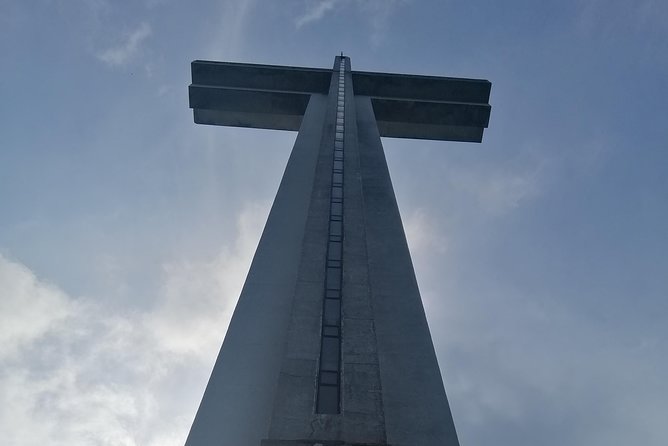
- Mount Samat brings scale and ceremony: The National Shrine of Valor honors those who fought in World War II and offers the day’s strongest setting.
- Four important stops tell different parts of the story: You visit a shrine, surrender site, former POW camp, and local museum.
- Expect a great deal of driving: The trip lasts about 10 hours, with the road time forming a large part of the day.
- Best for serious history fans: The subject is painful and the day is demanding, but the sites reward travelers who want more than a quick war memorial.
Why this day matters beyond a single memorial
The Bataan Death March was not one isolated event. It was part of the collapse of Allied resistance in the Philippines in 1942, followed by surrender, forced movement, and imprisonment. This tour links several places connected with those events, so you can follow the story through different kinds of evidence.
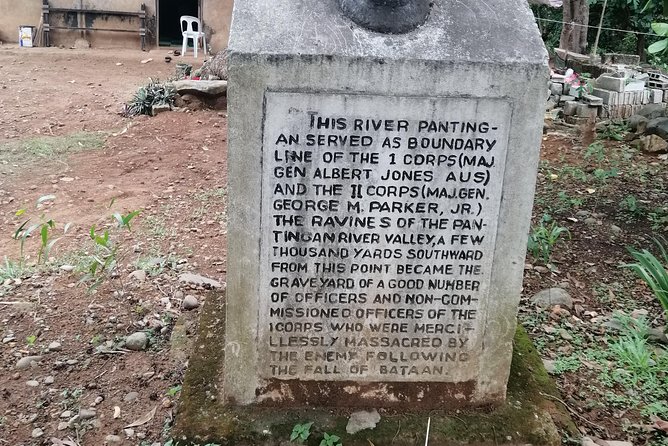
You will not simply look at one monument and return to Manila. You will see where USAFFE forces surrendered, where Filipino prisoners were held at Camp O’Donnell, and where local objects and accounts help explain what happened across the area.
That range is the tour’s main strength. A monument gives you ceremony. A museum gives you objects and dates. A former camp site gives the story a physical setting. The guide fills the gaps between them.
The personal connection matters, too. JB Quemado has spoken about his grandfather’s experience as a participant in the march and as a prisoner of war. Another guide, Ferdinand Contreras, has been praised for giving a clear account of the march and its surrounding events. You should still see the tour as an interpretation rather than a complete academic study, but those family links can make the subject feel immediate.
Other Manila days worth booking alongside this:
- Intramuros, Manila: Historical Bamboo Bike Tour
★ 4.8 · 583 reviews - Experience Intramuros with Bamboo Bicycle – Ecotours
★ 5.0 · 508 reviews - Manila: Intramuros, Chinatown, and Old Manila Half-Day Tour
★ 4.8 · 475 reviews
Leaving Manila at 7 a.m.
The day begins early, with pickup offered from hotels in the Manila area. A 7 a.m. start is necessary if you want to reach several sites and return within roughly 10 hours.
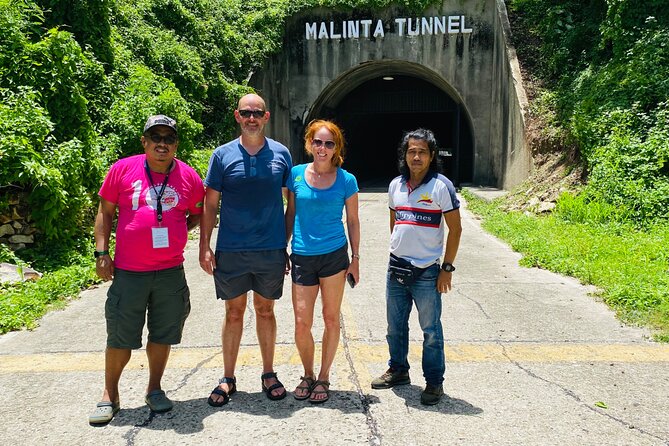
This is a private tour for your group only, with a maximum of four people. That matters more than it might seem. You can ask about a particular soldier, battle, memorial, or family story without waiting for a busload of people to move along.
The private vehicle also removes a major planning chore. Bataan and the other stops are not a simple cluster of downtown attractions. You need a driver, route planning, and enough time to connect them. Here, those transfers are built into the day.
Still, do not mistake pickup for speed. The road time is substantial. The route to Mariveles or Bagac can take about four hours, which is why the actual order may be reversed from the sequence shown below. You could begin farther north at Capas National Shrine and visit Bataan later, depending on the day’s plan.
That change is practical, not a flaw by itself. A poorly timed route would leave you sitting in traffic even longer. Before setting off, ask your guide which stop comes first and how much time is planned at each place.
Mount Samat National Shrine and its hour of remembrance
Mount Samat National Shrine, also called Dambana ng Kagitingan, is the tour’s grandest stop. The name means Shrine of Valor, and the site honors those who fought during World War II.
You have about an hour here, and admission is included. That gives you enough time to take in the memorial rather than treating it as a rushed photo stop. The mountain setting also gives this part of the day a different mood from the enclosed museums.
The shrine is important for both Filipino and American military history. The Bataan campaign is often taught from an American viewpoint, but Filipino forces endured the fighting, surrender, march, and imprisonment as well. The monument helps keep that shared sacrifice in view.
Bring patience for the scale of the place. A large memorial can feel less intimate than a small museum, and the meaning may not be obvious without explanation. This is where your guide’s background helps. Ask about the campaign, the surrender, and how the shrine fits into the larger story.
The shrine is closed on Mondays, so do not plan this trip for that day. If the tour is operating with a changed route, confirm that you will still be able to visit the site on your chosen date.
The Bataan World War II Museum and the surrender site
The Bataan World War II Museum is scheduled for about 30 minutes, with admission included. It marks the surrender site of USAFFE forces in 1942.
Half an hour is brief, but it can work if you arrive with a clear question in mind. Ask your guide to explain what the surrender meant for the soldiers who had been fighting and what followed immediately afterward. The museum is not just another display of wartime objects. It anchors the turning point that led to captivity and the march.
This stop may feel more restrained than Mount Samat. The shrine speaks through its monument and setting. The museum depends on its exhibits and your guide’s explanation. Since the visit is short, you may not have time to examine every item closely.
I would treat it as a focused stop rather than a full museum visit. Listen first, note the names and dates that interest you, and ask follow-up questions in the vehicle afterward. The private format makes that possible.
Same islands, a completely different day on the water:
- Manila: Old & New 4-Hour City Tour
★ 4.5 · 458 reviews - Manila Food Tour: Introduction to Philippine Street Food
★ 5.0 · 417 reviews - Spectacular Manila to Tagaytay: Full-Day Sightseeing Tour
★ 5.0 · 349 reviews - Makati Nightlife: VIP Access to Clubs, Rooftops & Go-Go Bars
★ 4.9 · 278 reviews
Capas National Shrine at former Camp O’Donnell
Capas National Shrine stands on the site formerly known as Camp O’Donnell, a concentration camp for Filipino prisoners of war in 1942. You have about 30 minutes here, with admission included.
This is one of the day’s most sobering stops because it connects the march to what came afterward. The forced movement was only part of the ordeal. Prisoners then faced confinement and terrible conditions at places such as Camp O’Donnell.
The short visit calls for a quiet pace. You are not being asked to rush through a list of displays. Instead, use the time to understand the site and to reflect on the people held there. The tour is at its best when the guide connects the physical place with the human consequences.
One small but striking detail mentioned by a participant was seeing a replica cart used to transport American prisoners during the march. If that display is available during your visit, it can make the logistics of the march easier to picture. The image is hard to shake, precisely because it is so plain.
Capas may also be the first stop on some days because the route is planned in reverse. That is worth knowing in advance. If the order changes, the story may begin with imprisonment before you reach the surrender and battlefield memorials.
Bamban Museum, a more personal local collection
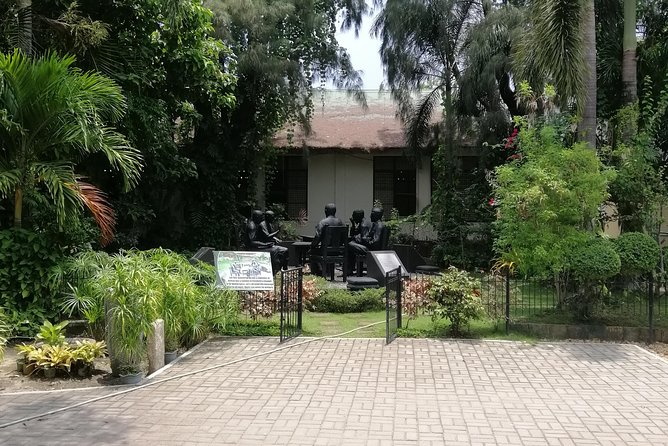
The Bamban Museum of History is a private museum with free admission and about an hour set aside for the visit. It contains relics from the area, and the curator explains the places and people connected with the war.
This is likely to be the most distinctive museum stop. Public memorials often present an official version of events. A private local collection can add objects, family knowledge, and stories tied to nearby communities.
One direct assessment of the day described the Bamban museum as exceptional and argued that public museums in the Philippines should receive more support. That is a useful way to understand the stop. It may not have the polished presentation of a major national institution, but its local focus can make it feel more immediate.
The quality of the visit depends heavily on the person explaining the collection. Give yourself time to listen, and ask what each item tells you about the area. You may find that the museum’s value comes less from the number of objects than from the stories attached to them.
It is also a good counterweight to the formal tone of Mount Samat and Capas. The day moves between national memory and local memory, and Bamban supplies much of the latter.
The guide makes or breaks the history lesson
A private history tour rises or falls on the guide. The strongest accounts of this experience center on guides who communicate clearly, answer questions, and connect the subject to their own family.
JB Quemado is especially important to know about before booking. His grandfather took part in the march and experienced life as a prisoner of war, and JB has used that family connection to explain the events. That does not replace museum interpretation, but it can help you understand why these sites still matter to Filipino families.
Ferdinand Contreras has also been praised for presenting the march and the military background in a clear, heartfelt way. Vincent has guided the tour as well. Since more than one guide may lead the day, the style can vary.
That variation is worth handling sensibly. If you have detailed military questions, tell the guide early. One disappointing experience involved questions that were not answered fully and important locations that were not pointed out. You can reduce that risk by bringing a short list of topics you care about, such as the surrender, Camp O’Donnell, the route of the march, or the role of Filipino units.
Also clarify which sites are included that day. The San Fernando station is not included because it was under construction from December 2022, and a stop at Kilometer 0 may depend on your preference and the schedule. The tour can be customized, but customization works best when you discuss it before leaving Manila.
Price, group size, and the real value
The cost is $350 per group of up to four people. If four people share the vehicle, that works out to $87.50 each for a private, approximately 10-hour day. For two people, the per-person cost is higher, but you are still paying for private transport, a driver, a guide, hotel pickup, and included admission at the main paid sites.
The value depends on how much you would otherwise spend arranging this yourself. Bataan and Capas are too far apart for a casual taxi plan, and a self-drive day would require route planning, parking, fuel, and research. The tour saves that work and gives you someone to explain the sites as you go.
The price is less attractive if you are not interested in military history. Much of the day is built around World War II memorials, surrender, captivity, and the Death March. This is not a general sightseeing tour with a few historical stops added.
For a family group of four, especially with children or grandchildren interested in wartime history, the cost makes more sense. You get a full vehicle and a guide focused only on your party. For a solo visitor, the price is harder to justify unless this subject is a major reason for your time in the Philippines.
The hard parts of a long memorial day
The tour is emotionally heavy. You will be visiting places tied to surrender, forced movement, imprisonment, and suffering. That is the point, but it can make the day tiring in ways that have little to do with the road.
The driving is the practical challenge. One assessment called the travel time long but worthwhile, and that is the fair reading. The itinerary lists only about three hours of actual stop time, leaving the rest for transfers, meals, and movement between distant locations.
Your comfort will depend on your expectations. If you enjoy listening to history in the car, the drive becomes part of the lesson. If you need constant activity, the day may feel slow. A private vehicle helps because you can talk, rest, and ask for clarification without keeping pace with a large group.
Wear practical clothing and shoes suitable for memorial grounds and museum visits. The supplied details do not specify a meal arrangement, so ask what food stops are planned and bring water for the road. The tour requires good weather. If poor weather cancels it, you can choose another date or receive a full refund.
Free cancellation is available up to 24 hours before the start time. Inside that window, changes are not accepted and the payment is not refunded.
Who should book this tour?
I would choose this day if you have a serious interest in World War II, Filipino history, military memorials, or family wartime stories. It is also a strong choice if you want to understand the Bataan Death March through several connected locations instead of visiting one monument on your own.
Families should consider it carefully. The private format lets a guide adjust explanations for different ages, and the family connection of guides such as JB can give younger people a way into a difficult subject. The material is painful, so it is worth preparing children for the tone of the day.
I would hesitate if you have only one free day in Manila and want a broad introduction to the Philippines. The tour uses that entire day for a single historical subject, and the road time is unavoidable.
I would also ask for a clear route plan before booking. The tour may run in reverse, Mount Samat is closed Mondays, San Fernando is excluded because of construction, and the exact guide may vary. Those are not reasons to reject the experience. They are details that help you arrive with the right expectations.
Final call: worthwhile for the right kind of history day
This is a demanding but meaningful excursion. Its best features are the private vehicle, the range of sites, the local Bamban collection, and the chance to hear wartime stories connected to a guide’s own family.
Its weak points are just as clear: long drives, short visits at some sites, possible route changes, and uneven answers to very detailed questions. Do not book it as an easy day trip. Book it because you want to spend a full day confronting a painful part of Filipino and American history.
If that is what you want, the $350 group price is reasonable, particularly with four people sharing it. Ask about the route, guide, meal plan, and any requested stops before departure. Then go prepared to listen. This tour is most valuable when you treat the memorials not as boxes to tick, but as places that deserve time and respect.
FAQ
How long does the Bataan Death March memorial tour last?
The tour lasts approximately 10 hours, beginning at 7 a.m.
Is hotel pickup available from Manila?
Yes. Transfers and pickup are offered from hotels in the Manila area.
How many people can join the private tour?
The price covers one private group of up to four people. Only your group participates.
What sites are visited?
The planned sites are Mount Samat National Shrine, the Bataan World War II Museum, Capas National Shrine, and the Bamban Museum of History.
Is Mount Samat National Shrine open every day?
Mount Samat National Shrine is closed on Mondays.
Are admission fees included?
Admission is included at Mount Samat National Shrine and the Bataan World War II Museum. Admission is also included at Capas National Shrine. The Bamban Museum has no admission charge.
What happens if bad weather cancels the tour?
Because the tour requires good weather, a cancellation caused by poor weather gives you the choice of another date or a full refund. You can also cancel for a full refund if you do so at least 24 hours before the start time.
Just added around Manila
- Underground River with Lunch★ 3.6 · 5 reviews
- Private Tour: Tagaytay Midlands & Taal Volcano Boat Ride★ 4.5 · 15 reviews
- 3 Days Private Tour in Banaue Ifugao visiting Batad Rice Terraces★ 3.5 · 3 reviews
- Tagaytay Adventure: Volcano Views, Countryside, Market & Cruise!★ 4.5 · 14 reviews
- Tagaytay + Hidden Valley Springs: A Scenic Escape w/ Transfers★ 4.0 · 4 reviews
- Tagaytay Day Tour sightseeing with Panoramic Taal volcano view★ 5.0 · 6 reviews
- Unforgettable Manila Fishing Village Day Excursion 2024★ 5.0 · 4 reviews
- Cultural Dinner and Show in Manila★ 5.0 · 4 reviews
Manila Tours, compared.

Intramuros, Manila: Historical Bamboo Bike Tour
Read our review →
Experience Intramuros with Bamboo Bicycle – Ecotours
Read our review →
Intramuros, Chinatown, and Old Manila Half-Day Tour
Read our review →
Manila Food Tour: Introduction to Philippine Street Food
Read our review →
Spectacular Manila to Tagaytay: Full-Day Sightseeing Tour
Read our review →
Discover Tagaytay’s Countryside: Half-Day Sightseeing Tour
Read our review →

Manila Food Tour: Explore World’s Oldest Chinatown
Read our review →Browse the lists this tour appears in