
Reviewed · MANILA INTRAMUROS WALKING TOURS
Explore Intramuros: Introduction to Philippine History
Intramuros is where Manila’s Spanish colonial story, Catholic tradition, and wartime destruction come together in a compact three-hour walk. This tour gives you the main landmarks, plus some backstreets you could easily miss while exploring alone.
I like the small-group format, capped at 15 people, and the fact that entrance fees are already covered. I also like the guides’ focus on explanation rather than simply pointing at old buildings. Jian, Jerome, and Patrick are praised for making history lively, answering questions, and adapting the tour to individual interests.
The main caution is pace. One experience felt rushed and did not reach every planned stop, while another felt that the price was high for three principal paid sights. If you want a slow photographic walk, tell your guide early and keep expectations clear.
Key points at a glance
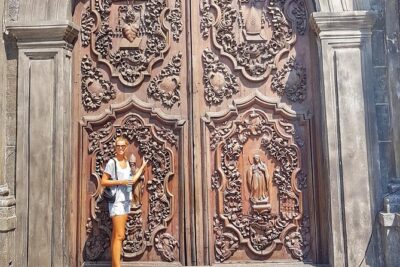
- San Agustin Church begins the story: See the country’s oldest stone church and the only church in Intramuros said to have survived the bombing of Manila during World War II.
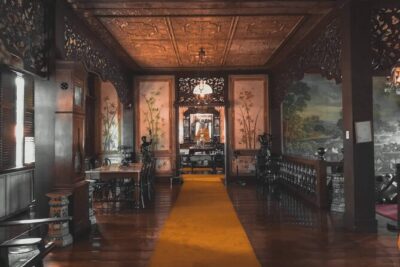
- Casa Manila makes old Manila tangible: This recreated upper-class home shows how elite domestic life looked around the turn of the 19th century.
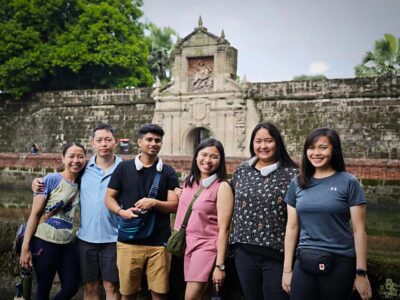
- Fort Santiago closes the walk: Learn about Spanish military rule, Philippine independence, and one of the nation’s major heroes.
- The route joins religion, trade, and war: The museum explains the Spanish Galleon Trade, while the cathedral and war memorial add later chapters.
- The guides are a major part of the value: Jian and Jerome receive especially strong praise for humor, cultural context, and clear storytelling.
- You pay $55 for a short, organized introduction: Water and admissions are included, but transportation is not, and the tour ends at Fort Santiago.
Why Intramuros works as a first Manila lesson
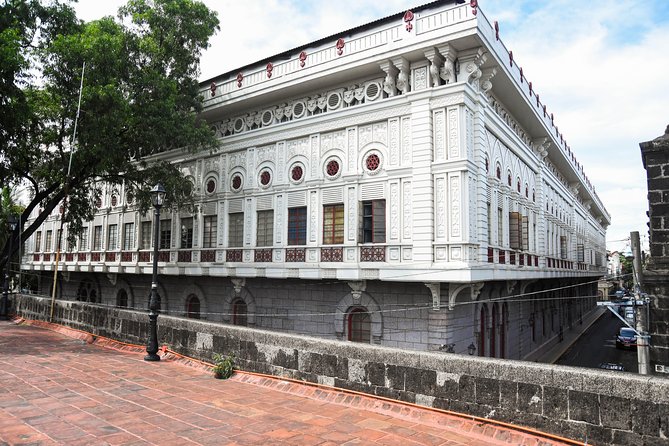
Intramuros is more than a cluster of old walls. In a small area, you move from Spanish rule to Catholic power, global trade, Filipino resistance, and the devastation of World War II.
That makes this a useful first-day activity in Manila. You get a map in your head, learn the basic timeline, and still have much of the day left for other plans. The tour lasts about three hours, so it does not swallow an entire sightseeing day.
I especially like the way the route combines famous buildings with smaller streets. A self-guided visit can show you the walls and facades, but it may not explain why the church mattered, how trade connected Manila to the wider world, or what Fort Santiago represents beyond its stonework.
The group size is limited to 15. That is not a private tour, but it is small enough for questions and conversation. Several guides, especially Jian and Jerome, are praised for making the walk personal when the group is tiny. Solo participants may even find the discussion tailored to their interests if numbers are low.
More Manila Intramuros Walking Tours in Manila
- Intramuros, Manila: Historical Bamboo Bike Tour
★ 4.8 · 583 reviews - Experience Intramuros with Bamboo Bicycle – Ecotours
★ 5.0 · 508 reviews - Manila: Intramuros, Chinatown, and Old Manila Half-Day Tour
★ 4.8 · 475 reviews
Starting at San Agustin Church
The meeting point is San Agustin Church on General Luna Street, inside Intramuros. This is a practical starting place because the church immediately gives you a strong sense of the area’s age and purpose.
The church is described as the oldest stone church in the Philippines and the only survivor of the bombing of Manila during World War II. Even with only about 10 minutes at this first stop, you get an important physical reminder that much of Manila was destroyed and that survival here was unusual.
Admission to the church is free. The short stop is mainly an introduction, so do not expect a long architectural lecture before moving on. The deeper explanation comes next, inside the adjoining museum.
San Agustin Museum and the worldwide galleon trade
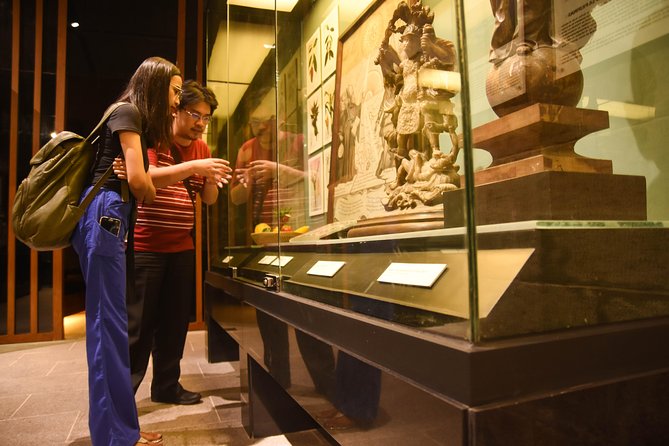
You spend about 30 minutes at Museo San Agustin, with admission included. This is one of the tour’s more useful paid stops because it broadens the story beyond the buildings in front of you.
The museum covers the Catholic Church and displays artifacts from different centuries. It also explains the Spanish Galleon Trade, which connected Manila with distant parts of the world. That subject helps you see the city as a trading center, not just a colonial outpost.
I like this part because it gives context to the Spanish presence. You are not only hearing that Spain ruled the Philippines. You are learning how religion, commerce, and political power worked together over a long period.
The museum also provides a break from walking in the heat. One guide made time for a pause during the three-hour route, which can matter on a sunny day. Still, the scheduled stop is limited, so you may need to move along rather than study every display at length.
Casa Manila and upper-class life
Casa Manila takes about 30 minutes and admission is included. Unlike the church and fort, this stop shifts attention from public power to private life.
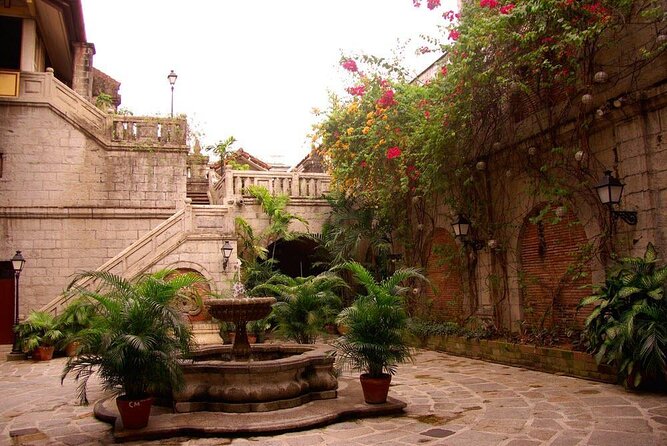
The house is a recreation of a turn-of-the-19th-century home belonging to the upper class of old Manila. You can expect rooms and furnishings arranged to show how wealthy residents lived, rather than a bare shell of an old building.
This is a good counterpoint to the military and religious sites. Churches and forts explain institutions. Casa Manila helps you picture daily routines, status, and domestic arrangements among Manila’s elite.
The drawback is that it is a recreation, not simply an untouched home. Your guide’s explanation matters here because the rooms alone may not tell you how the social order worked. If you are interested in architecture, furniture, or colonial-era domestic life, ask questions rather than treating this as a quick photo stop.
Same islands, a completely different day on the water:
- Manila: Old & New 4-Hour City Tour
★ 4.5 · 458 reviews - Manila Food Tour: Introduction to Philippine Street Food
★ 5.0 · 417 reviews - Spectacular Manila to Tagaytay: Full-Day Sightseeing Tour
★ 5.0 · 349 reviews - Makati Nightlife: VIP Access to Clubs, Rooftops & Go-Go Bars
★ 4.9 · 278 reviews
Memorare Manila and the cost of war
The Memorare Manila Monument is a short, roughly 10-minute stop. It remembers innocent casualties of World War II and gives the guide a place to explain the Philippines’ role in the conflict.
This stop is brief, but it changes the mood of the tour. After churches, trade, and old homes, you confront the human cost of the Battle of Manila and the destruction that shaped the modern city.
The monument is also why a guided route helps. A marker can tell you what it commemorates, but the surrounding historical context gives the visit meaning. You may find that this is one of the tour’s most affecting moments, even though it is not one of the longest stops.
Manila Cathedral and the Catholic center
The route continues to Manila Cathedral, the seat of the Catholic Church in the Philippines. The visit lasts about 10 minutes, and no admission fee is listed for this stop.
This is a quick exterior or orientation stop within the larger story of Catholic influence. Together with San Agustin Church and its museum, the cathedral shows how central religious institutions were to Spanish Manila and remain important in the Philippines.
Do not expect a full cathedral tour at this point. The stop works best as a short explanation of the church’s national role before the route turns toward military history and independence.
Fort Santiago closes the historical arc
Fort Santiago is the final stop and the place where the tour ends. You spend about 30 minutes here, with admission included.
The fort was an old Spanish military stronghold. Its walls and grounds provide the setting for discussion of Spanish control, the movement for independence, and one of the Philippines’ heroes. This is the tour’s strongest final chapter because the site brings political power and resistance together.
Ending here also has a practical benefit. You do not need to retrace the route to return to the meeting point. You can continue exploring Fort Santiago after the guided portion, though the supplied details do not specify how much additional time is included in the ticket or schedule. Check with your guide if you plan to remain inside after the tour ends.
The final stop is also where timing matters most. A rushed group may reach Fort Santiago with less time than expected. If the fort is a priority, say so at the start and keep an eye on the pace.
What the guides add to the price
The listed cost is $55 per person. That is not a bargain basement walking tour, especially if you compare it with a free orientation walk or visit the public sites independently.
The price becomes easier to justify if you value clear historical structure. Admission to the San Agustin Museum, Casa Manila, and Fort Santiago is included, as is bottled water and an English-speaking guide. You also avoid stopping at each ticket counter and working out the sequence yourself.
The strongest part of the value is the guide. Jian is repeatedly described as patient, friendly, and full of useful facts about Philippine history, culture, and present-day Manila. Jerome is praised for humor, warmth, and interactive explanations, including discussion of Philippine languages. Patrick is also named as part of a highly regarded guiding team.
A solo visitor may get particularly good value if the group is small. One person described receiving what felt like a private tour when no one else joined. That is not guaranteed, but a low head count can allow the guide to follow your interests.
The price feels less convincing if you want a slow, detailed visit at every site. One account found the experience expensive for the number of main stops and felt that much of the route centered on Casa Manila, San Agustin Church, and Fort Santiago. The other locations are shorter orientation stops, not equal-length visits.
Group size, walking, and daily planning
The tour has a maximum of 15 people and is near public transportation. Private transportation is not included, so you must make your own way to San Agustin Church.
The end point is Fort Santiago, inside Intramuros. This one-way route is useful because you finish at another major sight rather than returning to the start. Plan your next activity from Fort Santiago, not from San Agustin Church.
Most people can participate, according to the supplied activity details. The route is a walking tour, and the information does not give a distance, step count, or detailed mobility guidance. If you need specific assistance, ask the operator before booking.
Bring comfortable footwear and protect yourself from the heat. Bottled water is included, but the tour takes place outdoors as well as inside museums and churches. The experience requires good weather, and poor weather may lead to a different date or a full refund.
The tour has a 4.9 rating from 80 reviews and a 96 percent recommendation rate. Those numbers point to a consistently strong experience, but they do not remove the need to choose the right pace and price for your own style.
How to get the best version of the tour
Start by arriving at San Agustin Church with enough time to find the guide. The meeting point is specific, but Intramuros can still feel confusing if you are watching the clock.
At the opening, tell the guide what interests you most. You might care about Spanish rule, Catholic history, World War II, independence, architecture, or Philippine languages. Jian and Jerome are both described as responsive to questions, so a clear interest can shape the discussion.
Also make your preferred pace clear. One person found the tour too fast and did not reach all the planned spots. A short tour has a fixed structure, but the guide may be able to balance walking speed, questions, and time at the main sites if you speak up early.
Keep your camera ready, but listen first at the war memorial and Fort Santiago. The best parts of this tour are not only visual. They are the links between places, events, and people.
Who should book this Intramuros walk
I would recommend it to first-time visitors who want a quick, guided introduction before exploring Manila on their own. It suits solo visitors, couples, families with young adult children, and anyone who prefers a clear explanation over reading signs independently.
It is also a good fit if you want to understand the Spanish period without spending a full day on museums. The church, museum, home, monument, cathedral, and fort give you a useful framework in three hours.
Families may appreciate the guide’s humor and interactive style. Adults with Filipino family connections may also find the cultural and historical explanations worthwhile, since the tour is designed to cover more than colonial architecture.
I would be more cautious if you are very price-sensitive, already know Philippine history, or want long, unhurried time at each location. In those cases, visiting the sites independently may give you more control, though you will give up the guide’s explanations and the included admissions.
Should you book Explore Intramuros?
Book it if you want a well-organized introduction to Manila’s past, with the main entrance fees handled and a guide who can connect church, trade, war, and independence. The three-hour length leaves your afternoon open, and the end at Fort Santiago makes the route easy to continue.
Before booking, accept that $55 is paying for interpretation and structure as much as for admission. If you want the best value, ask for a steady pace, make Fort Santiago a priority, and use the guide’s time for questions you could not answer alone.
For a first visit to Intramuros, I think the tour is a sensible choice. For a repeat visit or a slow architectural study, you may prefer to explore independently after learning the basics.
FAQ
How long does the Intramuros tour last?
The tour lasts approximately three hours and covers several major sites inside Intramuros.
Where does the tour start?
It starts at San Agustin Church on General Luna Street, Intramuros, Manila.
Where does the tour end?
The tour ends at Fort Santiago, the old Spanish military stronghold inside Intramuros.
What sites are included?
The route includes San Agustin Church, Museo San Agustin, Casa Manila, the Memorare Manila Monument, Manila Cathedral, and Fort Santiago.
Are entrance fees included?
Yes. Entrance fees for the included paid attractions are covered, so you do not need to pay admission on the spot.
Is bottled water provided?
Yes. Bottled water is included.
Is transportation included?
No. Private transportation is not included. You must arrange your own way to the meeting point.
How large is the group?
The tour has a maximum of 15 participants. Group discounts are available.
Can I cancel for a full refund?
Yes, if you cancel at least 24 hours before the experience start time. Cancellations or changes made less than 24 hours in advance are not accepted for a refund. If poor weather cancels the tour, you will be offered another date or a full refund.
More Historical Tours in Manila
- Experience Manila’s Heritage: Intramuros & More in Half a Day!
★ 5.0 · 76 reviews - Tagaytay, Taal Volcano & Heritage Town: A Journey of Discovery
★ 5.0 · 29 reviews - Half-Day Heritage Tour: Manila’s Historic Gems
★ 4.9 · 29 reviews - Manila Historical Highlights Private Half Day Tour
★ 5.0 · 20 reviews
Just added around Manila
- Underground River with Lunch★ 3.6 · 5 reviews
- Private Tour: Tagaytay Midlands & Taal Volcano Boat Ride★ 4.5 · 15 reviews
- 3 Days Private Tour in Banaue Ifugao visiting Batad Rice Terraces★ 3.5 · 3 reviews
- Tagaytay Adventure: Volcano Views, Countryside, Market & Cruise!★ 4.5 · 14 reviews
- Tagaytay Day Tour sightseeing with Panoramic Taal volcano view★ 5.0 · 6 reviews
- Unforgettable Manila Fishing Village Day Excursion 2024★ 5.0 · 4 reviews
- Tagaytay + Hidden Valley Springs: A Scenic Escape w/ Transfers★ 4.0 · 4 reviews
- Cultural Dinner and Show in Manila★ 5.0 · 4 reviews
Manila Intramuros Walking Tours, compared.

Intramuros, Manila: Historical Bamboo Bike Tour
Read our review →
Experience Intramuros with Bamboo Bicycle – Ecotours
Read our review →
Intramuros, Chinatown, and Old Manila Half-Day Tour
Read our review →
Manila Old and New: Sightseeing Tour Including Intramuros and Fort Santiago
Read our review →
Experience Manila’s Heritage: Intramuros & More in Half a Day!
Read our review →Browse the lists this tour appears in