
Reviewed · MANILA TOURS
Embark on a 7-Day Banaue-Sagada Adventure of a Lifetime
The best part of this seven-day trip is the change of pace. You leave Manila at 3:00 am and trade traffic and city noise for Ifugao villages, rice terraces, waterfalls, caves, and mountain roads. The route gives you more than a lookout photo. You spend several days walking between communities and seeing how the terraces fit into daily life.
I like the village-to-village trekking and the range of the itinerary. Cambulo, Batad, and Bangaan each bring a different setting, while Sagada adds cave exploration and a waterfall walk. I also like the small maximum of 15 people, plus an air-conditioned vehicle for the long transfers.
The main caution is simple: this is not a gentle sightseeing holiday. Several days call for six to eight hours of mountain trekking, and the Sumaguing Cave visit can be wet and physically awkward. You need strong fitness, steady footing, and a willingness to spend much of the week moving.
Key points to know before you book
- Four mountain villages in three days: Walk through Banaue, Cambulo, Batad, and Bangaan rather than viewing the terraces only from the roadside.
- Long hiking days: Day 2 and Day 3 each run about eight hours, while the overall trip requires six to eight hours of trekking on some days.
- A full Sagada adventure: Visit Sagada, explore Sumaguing Cave, and walk to Bomod-Ok Falls.
- Small-group format: The group is limited to 15 people, with pickup offered from Manila.
- Meals cost extra: Plan on 150 to 250 pesos per meal per person.
- Strict booking conditions: The trip is non-refundable, though poor weather or an insufficient group can lead to another date or a full refund.
Why this route feels different from a standard North Luzon tour
Many trips through northern Luzon rely on quick stops at famous viewpoints. This one puts your feet on the trails. You hike through the Banaue area, sleep or stop in rural communities, then continue toward Sagada for caves and waterfalls.
That matters because the rice terraces are not just scenery. The Ifugao terraces reflect local skill in irrigation, stonework, earthwork, and long-term maintenance. Walking through the area gives you a better sense of how the terraces function as part of community life, not simply as a photograph from a roadside platform.
The tradeoff is time and effort. You will not have much spare energy for slow mornings or spontaneous detours. This trip is built around a fixed route and demanding walks, so you should choose it for access to the mountains rather than for comfort.
The group limit of 15 is a useful middle ground. You get more company and potentially better value than with a private trip, but the group remains small enough for the guide to keep track of people on the trail. The operating team has included travel coordinator Joannah and driver Marlon, though the exact staff for your departure should be confirmed at booking.
Other Manila days worth booking alongside this:
- Intramuros, Manila: Historical Bamboo Bike Tour
★ 4.8 · 583 reviews - Experience Intramuros with Bamboo Bicycle – Ecotours
★ 5.0 · 508 reviews - Manila: Intramuros, Chinatown, and Old Manila Half-Day Tour
★ 4.8 · 475 reviews
Day 1: Banaue rice terraces and the first mountain walk
The tour starts in Manila at 3:00 am. That is an early departure by any measure, but it helps place you in Banaue with time for the first activity. The transport is air-conditioned, which becomes important on a route with long road transfers and changing mountain conditions.
Your first major stop is the Banaue Rice Terraces. The focus is not only on a scenic view. You learn about the Ifugao approach to irrigation, stone construction, earthwork, and terrace upkeep, then spend about three hours on a hike in the area.
I like this opening because it gives the trip a clear purpose from the start. You are not simply passing through the Cordillera region. You begin by walking through one of its defining achievements.
Still, the first day may feel tiring. An early start followed by a three-hour hike is a demanding introduction, especially if you have just arrived in Manila or are adjusting to the heat. Keep your day-one expectations realistic and use the first walk to judge your pace for the rest of the week.
Day 2: Four hours on foot to Cambulo
After breakfast, you hike for about four hours to Cambulo, the second Ifugao village on the route. The full day is listed at roughly eight hours, so the walking time is only part of the schedule. Stops, meals, village exploration, and changes in terrain all add to the day.
Cambulo is known for rice terraces with a pyramid-like shape. The terraces curve around the slopes, creating a distinctive pattern as you approach the village. This is one of the most rewarding ideas in the trip: the scenery changes as you walk, instead of appearing all at once from a fixed viewpoint.
You should expect a real trail day here. The tour specifically calls for above-average fitness and the ability to trek mountains for six to eight hours a day. That warning deserves your attention. You do not need to be an elite athlete, based on the information provided, but you should be comfortable with sustained mountain walking.
The rural setting is also part of the point. Cambulo gives you a closer look at a community connected to the terraces, rather than another quick stop in a larger town. The cost is less personal space and less control over the daily timetable. The group follows the route, so you need to be ready to move when the schedule calls.
Day 3: Batad, Tappiyah Falls, and Bangaan
Day 3 combines some of the trip’s most memorable sights with another long stretch on foot. In the morning, you hike for about three hours to Tappiyah Waterfalls and explore Batad village and its rice terraces.
Batad is a major visual highlight because of the terraces’ dramatic shape and steep setting. Tappiyah adds water and a more physical destination to the morning. You are not simply stopping for a photograph, but walking to a waterfall and then returning to the route.
After lunch, you hike for another three hours to Bangaan, the final village in this part of the adventure. The day runs about eight hours in total. On paper, six hours of hiking may not sound extreme, but mountain terrain can make that time feel far longer than a level walk.
This is the point in the trip where your preparation matters most. Carry only what you need on the trail, follow the guide’s pace, and keep water and practical clothing close at hand. The supplied details do not specify a packing list, so you should ask the operator what luggage support, footwear, and overnight arrangements apply before departure.
Bangaan completes the rice-terrace section in a satisfying way. You have seen several villages, walked through changing terrace patterns, and experienced the area as a connected rural region rather than a series of isolated attractions.
Same islands, a completely different day on the water:
- Manila: Old & New 4-Hour City Tour
★ 4.5 · 458 reviews - Manila Food Tour: Introduction to Philippine Street Food
★ 5.0 · 417 reviews - Spectacular Manila to Tagaytay: Full-Day Sightseeing Tour
★ 5.0 · 349 reviews - Makati Nightlife: VIP Access to Clubs, Rooftops & Go-Go Bars
★ 4.9 · 278 reviews
Day 4: Sagada offers a change of rhythm
Day 4 shifts from the Banaue terrace route to Sagada in the Mountain Province. Sagada lies about 415 kilometers from Manila and is known as an escape from city life, with a setting that feels quieter and cooler than the capital.
The listed Sagada visit lasts about three hours. After two long hiking days, this shorter activity provides some relief, though the full transfer schedule may still make the day feel busy. The details do not specify every Sagada stop, so you should think of this as an introduction rather than a full town tour.
Sagada is an important change in the route’s character. Banaue centers on terrace farming and village trails. Sagada brings a different side of northern Luzon, with mountain culture, local traditions, and access to underground and waterfall sites.
The transition also breaks up the hardest walking. I appreciate that the trip does not stack eight-hour hikes across every day. At the same time, you should not assume Day 4 is a rest day. The long road journey and three-hour activity still require energy.
Day 5: Sumaguing Cave is the physical highlight
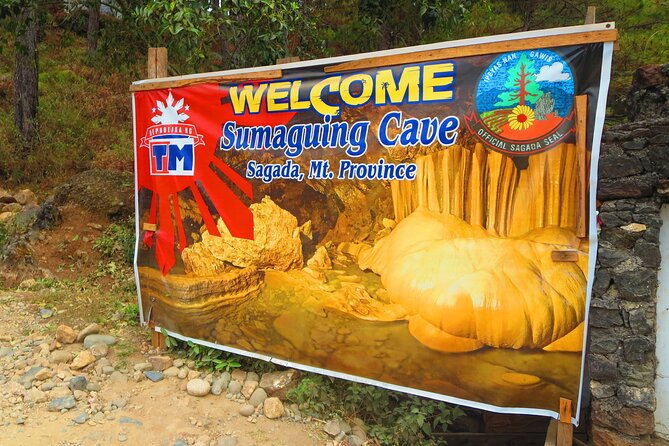
Sumaguing Cave receives about four hours on the schedule and is one of the strongest reasons to choose this tour. The route includes an underground stream, stone waterfalls, calcium formations, glittering walls, and water-affected rock formations.
This is not a dry, paved cave walk. The mention of an underground stream and water-logged formations tells you what kind of experience to expect: uneven surfaces, wet areas, and a need to move carefully. The cave can be exciting, but it is also the part of the trip least suited to anyone uneasy around confined or slippery spaces.
I like the contrast with the rice terraces. The first half of the trip takes place under open skies, with wide mountain views and village paths. Sumaguing turns the experience inward, using rock and water as its main attractions.
Wear clothing you can manage in wet conditions, but confirm the operator’s exact equipment advice before you go. The tour includes admission fees, but the information does not state what gear is provided. Strong fitness is still important, even though the listed activity is four hours rather than a full hiking day.
Day 6: The walk to Bomod-Ok Falls
Bomod-Ok Falls is also called Big Falls, distinguishing it from Bokong Falls in Sagada. The waterfall lies in a valley and takes roughly one to two hours to reach on foot from the main area, with the full activity listed at about four hours.
This is a good final walking day because it combines a clear destination with a manageable time frame. You get another chance to see Sagada beyond the town itself, and the route gives the trip a second major waterfall after Tappiyah.
The walk may sound easier than the Banaue village hikes, but an out-and-back trail still means climbing and walking in both directions. If your legs are tired by Day 6, the return journey can be the harder half.
I would choose this stop for the variety. The trip gives you terraces, a cave, and two waterfalls, with each attraction requiring a different kind of movement. That variety keeps the week from becoming a string of similar mountain walks.
Day 7: A scenic road back to Manila
The final day is a scenic drive back to Manila, with about four hours allocated to the return portion. The exact road experience depends on traffic and the day’s conditions, so treat the four-hour figure as a guide rather than a promise.
After a week of hiking, a vehicle day is welcome. The air-conditioned transport gives you a chance to rest and watch the northern scenery pass by. It also brings the trip back to its starting point instead of ending in Sagada, which is useful if your next plans are in Manila.
Still, this is not a leisurely final morning with a long farewell. You are returning to the capital, and the early start at the beginning of the trip suggests that transport times matter on this route. Avoid scheduling an important flight or fixed appointment too close to the expected arrival unless you have confirmed the timing with the operator.
What the $1,300 price covers
At $1,300 per person, this is a costly trip, but the value depends on how you use it. The price includes an air-conditioned vehicle and all fees and taxes. It also brings together seven days and six nights, multiple destinations, several guided hikes, cave access, waterfall visits, and a small-group structure.
Meals are not included. The stated allowance is 150 to 250 pesos per meal per person, so you need to budget separately for breakfast, lunch, and dinner across the week. That is an important detail when comparing the total cost with other northern Luzon packages.
The price makes more sense if you want one organized route from Manila and do not want to arrange mountain transport, village connections, guides, and admission costs on your own. It may feel less attractive if you prefer to travel slowly, choose your own restaurants, or spend more time in one location.
Group discounts are available, and pickup is offered. The group maximum is 15 people. Ask about the exact pickup area and what the price includes for overnight arrangements, since those details are not provided here.
Who should book this seven-day route
I would recommend this experience to you if you:
- Can comfortably handle six to eight hours of mountain trekking
- Want rural northern Luzon rather than only major city sights
- Enjoy physical activities more than relaxed resort time
- Like a structured route with transport arranged
- Want to combine rice terraces, villages, caves, and waterfalls
- Are comfortable sharing the experience with a group of up to 15
I would hesitate to recommend it if you have limited hiking experience, dislike wet or uneven cave conditions, or want plenty of unplanned free time. The trip asks you to commit to its pace from the first 3:00 am departure.
The age range in the available information is broad. One organized trip included a mother and her partner who were both over 65, but that does not remove the fitness requirement. Age alone is not the deciding factor here. Your ability to walk for long periods on mountain trails matters more.
Booking, weather, and cancellation points
The experience is non-refundable and cannot be changed for any reason once booked. That makes travel insurance and careful date selection sensible, especially because the route depends on mountain weather.
If poor weather forces cancellation, you are offered another date or a full refund. If the minimum group size is not met, you are offered another date or experience, or a full refund. Confirmation normally arrives at booking, although reservations made within one day of departure are confirmed as soon as possible and depend on availability.
These terms are stricter than many flexible city tours. Do not book until your dates, fitness, and transport plans are firm.
Should you book it?
Book this trip if you want a demanding but varied week in northern Luzon, with the major work of connecting Banaue, Sagada, villages, waterfalls, and caves handled for you. The strongest feature is the route itself: you spend time on foot among the terraces instead of treating them as a quick photo stop.
Skip it if you are looking for comfort, short walks, or flexible scheduling. The $1,300 price is easier to justify when you value organized transport and a packed itinerary, but you still need to pay for meals and accept a strict cancellation policy.
For a fit hiker who wants culture, scenery, and genuine time in the mountains, this is a serious and rewarding choice. Just treat the fitness warning as part of the sales information, not as a footnote.
FAQ
How long is the tour?
The experience lasts seven days and six nights.
Where does the tour start?
It starts in Manila, with a listed meeting time of 3:00 am. Pickup is offered.
How much does the tour cost?
The listed price is $1,300 per person.
What is included in the price?
An air-conditioned vehicle and all fees and taxes are included.
Are meals included?
No. You should prepare 150 to 250 pesos per meal per person.
How difficult is the hiking?
The tour requires a strong physical fitness level. You must be able to trek mountains for about six to eight hours a day.
How many people can join the group?
The maximum group size is 15 people.
Which rice terrace areas are included?
The route includes Banaue Rice Terraces, Cambulo, Batad, and Bangaan.
Which waterfalls are included?
The trip includes Tappiyah Waterfalls and Bomod-Ok, or Big, Falls.
Is Sumaguing Cave included?
Yes. Sumaguing Cave is scheduled for Day 5, and admission is included.
Are bookings refundable?
No. The experience is non-refundable and cannot be changed for any reason. If poor weather or an insufficient minimum group causes cancellation, you are offered another date or a full refund.
Just added around Manila
- Underground River with Lunch★ 3.6 · 5 reviews
- Tagaytay Adventure: Volcano Views, Countryside, Market & Cruise!★ 4.5 · 14 reviews
- Private Tour: Tagaytay Midlands & Taal Volcano Boat Ride★ 4.5 · 15 reviews
- 3 Days Private Tour in Banaue Ifugao visiting Batad Rice Terraces★ 3.5 · 3 reviews
- Tagaytay + Hidden Valley Springs: A Scenic Escape w/ Transfers★ 4.0 · 4 reviews
- Tagaytay Day Tour sightseeing with Panoramic Taal volcano view★ 5.0 · 6 reviews
- Unforgettable Manila Fishing Village Day Excursion 2024★ 5.0 · 4 reviews
- Cultural Dinner and Show in Manila★ 5.0 · 4 reviews
Manila Tours, compared.

Intramuros, Manila: Historical Bamboo Bike Tour
Read our review →
Experience Intramuros with Bamboo Bicycle – Ecotours
Read our review →
Intramuros, Chinatown, and Old Manila Half-Day Tour
Read our review →
Manila Food Tour: Introduction to Philippine Street Food
Read our review →
Spectacular Manila to Tagaytay: Full-Day Sightseeing Tour
Read our review →
Discover Tagaytay’s Countryside: Half-Day Sightseeing Tour
Read our review →

Manila Food Tour: Explore World’s Oldest Chinatown
Read our review →Browse the lists this tour appears in