
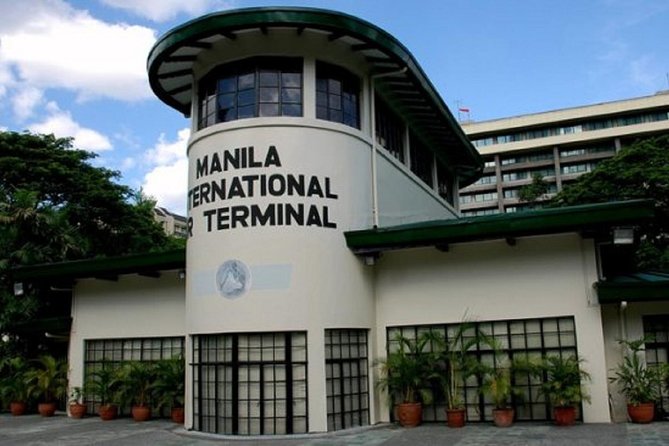
Reviewed · CRUISES & BOAT TOURS
Shared Cruise Shore Excursion of Manila Old and New City Tour
Manila’s past and present come into sharp focus on this four-hour shore excursion. You move from modern Makati to the old walls of Intramuros, then pay respects at the Manila American Cemetery. It is a smart route for a first look at a huge city, especially when your ship is in port for only part of the day.
I like the air-conditioned vehicle and direct port pickup, since Manila traffic and heat can make independent sightseeing tiring. I also like the guides, particularly Frank, who is praised for clear explanations and a pace that works for people who walk slowly. The main drawback is traffic: some departures have spent as much as three of the four hours in the car, and pickup confusion has caused serious delays.
Key points to know
- Intramuros packs several centuries into one stop, with San Agustin Church and Fort Santiago among the important sights.
- The American Memorial Cemetery is a quiet, moving contrast to central Manila’s traffic and noise.
- Frank and Richard are named guides associated with the tour, and both are described as helpful and easy to understand.
- The excursion is shared, not reliably private, with a maximum of 15 people despite wording that may suggest a private guide.
- Manila traffic is the tour’s biggest risk, so the amount of time spent walking can vary.
- Cruise timing must be supplied when booking, including docking, disembarkation, and re-boarding times.
A useful first look at Manila from the cruise port
At $112, this is not a bargain-priced city shuttle. It is a port-focused sightseeing service that combines transport, a guide, bottled water, insurance, and return to Manila South Harbor. For a cruise passenger, that convenience has real value. You do not need to work out local transport, watch the clock alone, or figure out how to reach Intramuros from the harbor.
The route covers several key areas in one outing: Makati, Old Manila, Rizal Park, Intramuros, and the Manila American Cemetery. That gives you a broad introduction rather than a slow, detailed look at one district. You should book it for orientation and context, not for an unhurried architectural study.
The advertised group limit is 15 people. That is small enough for a guide to speak with the group, but it is not the same as a private tour. One booking was made with the expectation of privacy and ended up with a full group, so I would confirm the shared format before paying. The experience provider is Baron Travel Corporation.
A few more Manila trips to weigh up
- Intramuros Walking Tour by Don’t Skip Manila | Shore Excursion
★ 5.0 · 15 reviews - Private Half-Day Shore Excursion in Manila
★ 5.0 · 7 reviews - Shore excursion: Puerto Princesa Island Hopping Tour
★ 4.0 · 27 reviews
Leaving Manila South Harbor
The excursion begins at Manila South Harbor, at Muelle de San Francisco in the Port Area. Pickup and drop-off at the harbor are included, and the activity ends back at the same meeting point. That return matters when you have a ship departure to catch.
You need to provide your ship name, docking time, disembarkation time, and re-boarding time when booking. Confirmation can take up to 48 hours and depends on availability, so this is not an activity to leave until the last minute if your port call is tightly scheduled.
The transport is air-conditioned, a welcome feature in Manila’s warm climate. It also lets you cover distances that would be awkward on foot. The tradeoff is simple: you see more of the city, but traffic can slow the tour to a crawl. One poor experience involved a delay of more than an hour because most of the group received the wrong meeting point. That sort of problem can damage a short port visit, so check the confirmed pickup instructions carefully.
From Makati to the older city
The drive gives you a look at Manila’s contrast between modern business districts and older neighborhoods. The tour passes through Makati before heading toward Old Manila. The point is not a full Makati sightseeing program. Instead, the drive helps you see how quickly the city changes from newer commercial areas to districts shaped by colonial rule, war, and postwar rebuilding.
Your guide provides the historical thread. Frank is singled out for explaining major sights clearly, while another booking names Richard and notes that he took photographs with a good camera and later sent them to the group. Guide assignments may vary, but the supplied names give you a useful idea of the style to expect: spoken explanation, assistance during the visit, and, in at least one case, extra photographs afterward.
Do not expect to stop at every interesting street. Four hours is short for Manila, and the city’s traffic often dictates the pace. Think of this section as a moving introduction before the main stops.
Intramuros, Manila’s walled district
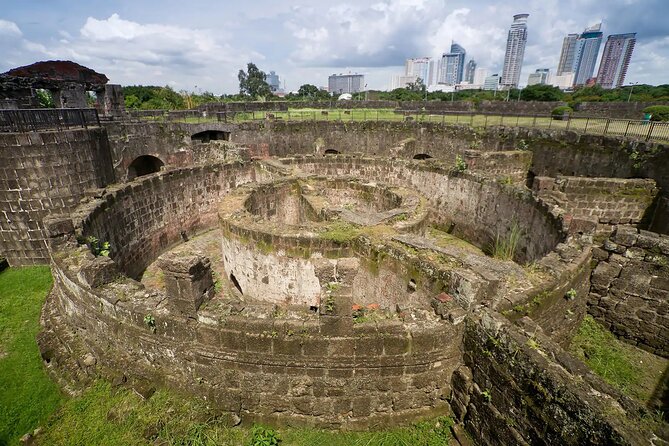
Intramuros is the heart of the old-city portion. The district was built around 1571 on the south bank of the Pasig River and is known as the Walled City. Its walls and surviving structures offer a physical sense of Manila’s Spanish colonial past, something that is harder to grasp from a museum display or a guidebook paragraph.
The planned stop is about 45 minutes, with admission included. That is enough time for an overview and selected buildings, but not enough for every lane and landmark. Your guide’s explanations are important here because the remains make more sense when tied to the city’s political, religious, and military past.
San Agustin Church is one of the key highlights. Built in the 16th century, it is identified as the Philippines’ oldest church and is a UNESCO World Heritage Site. This is the sort of place where you should slow down for a few minutes, notice the age of the structure, and listen to the guide rather than simply take a quick photograph.
Fort Santiago is also part of the Intramuros visit. The fort gives the stop a military and political dimension, while San Agustin Church shows the role of religion and colonial power. With only 45 minutes assigned, you should expect a selective visit rather than a full exploration of both sites.
Walking ability matters here. One of the strongest positive comments about Frank concerned his willingness to adjust the pace for people who had difficulty walking. That flexibility can make the difference between an enjoyable stop and a tiring scramble. Still, you should be ready for some walking in an historic district, and the actual amount of time outside the vehicle may change with traffic and delays.
Same islands, a completely different day on the water:
- Intramuros, Manila: Historical Bamboo Bike Tour
★ 4.8 · 583 reviews - Experience Intramuros with Bamboo Bicycle – Ecotours
★ 5.0 · 508 reviews - Manila: Intramuros, Chinatown, and Old Manila Half-Day Tour
★ 4.8 · 475 reviews - Manila: Old & New 4-Hour City Tour
★ 4.5 · 458 reviews
Rizal Park and the story of Luneta
The stop at Rizal Park lasts about 15 minutes and is free. Also called Luneta Park, it is a major urban park in Ermita and covers 58 hectares. The visit is brief, so it functions mainly as a photo stop and a chance to place Manila’s public life within its national story.
The park is named for José Rizal, a major Philippine national figure. The tour data does not promise a long presentation or extended time in the park, so keep your expectations modest. You will have a short chance to see the setting and hear why it matters, not a full park walk.
This is also a stop where traffic conditions can affect the experience. If the vehicle arrives late, a short scheduled pause may feel even shorter. I would treat Rizal Park as a useful piece of the route, but not the reason to book the tour.
The Manila American Cemetery and Memorial
The American Memorial Cemetery provides the tour’s most solemn stop. It honors American and Allied service members who fought and died against Japanese forces during World War II. The setting offers a quiet break from Manila’s traffic and a direct connection to the war that shaped the Philippines and the wider Pacific.
The planned visit lasts about 30 minutes and admission is free. That gives you time to pay your respects and take in the memorial grounds, though not to study every name or feature in detail. Your guide can help place the cemetery within the war’s story, which is especially useful if you know little about the Philippines during World War II.
I would save your attention for this stop. Intramuros is visually dramatic, but the cemetery is where the tour gains emotional weight. The contrast between white memorial structures, orderly grounds, and the city outside makes the visit memorable without requiring a long stay.
The cemetery is not in the old walled district, so the vehicle is essential. This is another reason the tour works better as a car-based overview than as a walking route. You can connect distant parts of Manila without arranging separate rides, but you remain exposed to the city’s traffic.
Why the guide can make or break the morning
The tour includes an English-speaking guide, and the guide is central to its value. Manila’s major sites are not hard to photograph, but the meaning behind them is harder to assemble during a short stop. A good guide connects the church, fort, park, cemetery, and city streets into one story.
Frank receives especially strong praise for his clear explanations, easy manner, and ability to avoid rushing the group. His handling of different walking speeds is a practical strength. Another booking refers to Richard as an enjoyable guide who took photographs and sent them afterward. Names and assignments can change, but these details show why guide quality matters more here than a long list of included sights.
The tour description uses language about a private guide, but the booking details identify the experience as shared and cap the group at 15. I would not pay a premium expecting a completely personal itinerary. You are buying a guided small-group outing unless the operator confirms something different in writing.
The traffic problem is real
Manila traffic is not a minor footnote. It is the factor most likely to shape your day. One account describes sitting in the vehicle for three of the four hours, while another reports a pickup an hour late. A separate delay resulted from the wrong meeting point being supplied to most of the group.
That does not mean every departure will lose most of its sightseeing time. It does mean you should build a generous buffer before your ship’s re-boarding deadline. The operator asks for your ship schedule for a reason, but you should still avoid treating the stated four-hour duration as a guarantee of four full sightseeing hours.
Traffic also affects the tour’s value at $112. If the route runs smoothly, the price can make sense for a cruise passenger who values port pickup, an air-conditioned vehicle, a guide, and return transport. If the vehicle spends most of the outing stationary, the cost feels much harder to justify.
You can reduce the risk by confirming the meeting point, providing accurate ship details, and arriving ready to leave at the stated time. Ask whether the tour is operating as a shared group and how many people are expected. These steps cannot clear the roads, but they can prevent avoidable delays.
What the $112 price buys you
The fee includes air-conditioned transportation, an English-speaking guide, one bottled water, and insurance. Food and drinks beyond the bottled water are not included. The listed stops have no separate admission charge, and Intramuros admission is included in the tour.
The strongest value comes from the logistics. Manila is large, and the stops are spread across different parts of the city. A cruise passenger who wants to see both the old city and the American Cemetery may find the transport and return arrangement worth paying for, particularly on a first visit.
The weaker value appears if you want lots of time at each location. Four hours is a tight window, and a shared group can move more slowly than a private car. If you prefer museums, long walks, or detailed church visits, you may find the experience too compressed.
In plain terms, this is a convenience purchase. You pay for a guided route through several important places, not for an exhaustive city tour. The price makes more sense when your alternative is arranging several separate rides during a cruise stop.
Who should book this shore excursion
I would consider it for a first visit to Manila, especially if you want a history-focused overview and do not want to handle transport yourself. It suits people who enjoy seeing several districts in one morning and who are comfortable with a shared group.
It also suits families and mixed-ability groups. Children must be accompanied by an adult, and the child rate applies only when sharing with two paying adults. The guide’s reported willingness to slow the pace is helpful, though the tour still includes walking at Intramuros.
You should think twice if you dislike sitting in traffic or need a tightly controlled schedule. The tour can be pleasant and informative, but the city’s roads are an unavoidable wild card. It is also a poor fit if you specifically want a private tour, since the usual format is shared and may include up to 15 people.
Free cancellation is available when you cancel at least 24 hours before the start time. Changes or cancellations inside that window are not accepted for a refund, and the experience may be canceled if its minimum number is not reached.
Should you book it?
Book this tour if you want a practical first taste of Manila from a cruise ship. Intramuros, San Agustin Church, and the American Cemetery give you three distinct ways to understand the city, while port pickup and return remove much of the planning burden.
I would book only after confirming the shared format and meeting point. If your ship’s schedule leaves little margin, allow for traffic and the possibility of a delayed start. With realistic expectations, this is a useful, guide-led overview. Without that buffer, the same four hours could feel like an expensive wait in an air-conditioned vehicle.
FAQ
How long is the Manila Old and New City Tour?
The tour lasts approximately four hours.
Where does the tour start?
It starts at Manila South Harbor, at Muelle de San Francisco in the Port Area of Manila.
Where does the tour end?
The activity ends back at the original meeting point at Manila South Harbor.
Which places are visited?
The route includes Intramuros, Rizal Park, and the Manila American Cemetery and Memorial. The overview also identifies San Agustin Church and Fort Santiago as part of the Intramuros visit.
Is transportation included?
Yes. The tour includes use of an air-conditioned vehicle, with pickup and drop-off at Manila South Harbor.
Is the tour private?
The tour is described as shared and has a maximum of 15 travelers. If you require a private experience, confirm the arrangement before booking.
Is food included?
No. Food and drinks are not included, although one bottled water is provided.
What information must cruise passengers provide?
Cruise passengers must provide the ship name, docking time, disembarkation time, and re-boarding time when booking.
Just added around Manila
- Underground River with Lunch★ 3.6 · 5 reviews
- Private Tour: Tagaytay Midlands & Taal Volcano Boat Ride★ 4.5 · 15 reviews
- 3 Days Private Tour in Banaue Ifugao visiting Batad Rice Terraces★ 3.5 · 3 reviews
- Tagaytay Adventure: Volcano Views, Countryside, Market & Cruise!★ 4.5 · 14 reviews
- Tagaytay + Hidden Valley Springs: A Scenic Escape w/ Transfers★ 4.0 · 4 reviews
- Tagaytay Day Tour sightseeing with Panoramic Taal volcano view★ 5.0 · 6 reviews
- Unforgettable Manila Fishing Village Day Excursion 2024★ 5.0 · 4 reviews
- Cultural Dinner and Show in Manila★ 5.0 · 4 reviews
Cruises & Boat Tours, compared.


Island and Beach-Hopping Boat Tour with Snorkeling
Read our review →
Bohol Countryside Tour with Loboc Cruise Lunch
Read our review →

Barracuda Lake, Skeleton Wreck, Twin Lagoon Boat Tour
Read our review →
Boracay Sunset Cruise with Party DJ & Unlimited Food and Drinks
Read our review →
Boat Tour to Sandbar and Snorkeling with Turtles
Read our review →Browse the lists this tour appears in