
Reviewed · MANILA INTRAMUROS WALKING TOURS
Manila: Intramuros Tour ( Dark)
Intramuros is at its most gripping when the walls stop feeling like old stone and start feeling like witnesses. This two-hour private walk focuses on the darker chapters of Old Manila, from Fort Santiago’s dungeons and prison cells to wartime deaths, political struggle, and stories of spirits said to linger near the old defenses.
I like the way the tour links haunted tales with documented suffering, rather than treating Intramuros as a simple ghost-story set. I also like the route’s human focus, especially the attention given to Dr. Jose Rizal, Rajah Sulayman, Andres Novales, Gen. Vicente Lim, and lesser-known patriots.
The main drawback is the pace. Two hours covers Fort Santiago, Manila Cathedral, Intramuros streets, Saint Agustin Church, and a final Bonifacio tribute, so some stops receive only a short explanation. The subject matter is also grim and the walk may not suit children under 12, pregnant women, or people with mobility limits.
Key points to know before booking
- Fort Santiago carries the emotional weight: Spend most of the tour around its barracks, dungeons, baluartes, and Rizal’s final prison cell.
- The stories are dark but not only supernatural: Expect accounts of imprisonment, executions, war, political conflict, and reported spirit sightings.
- The route honors overlooked figures: Rajah Sulayman, Andres Novales, Gen. Vicente Lim, and forgotten revolutionaries receive attention alongside better-known heroes.
- You walk between major Intramuros landmarks: Manila Cathedral, General Luna Street, Saint Agustin Church, and Bonifacio Shrine all add different layers to the story.
- The tour is private and guided: English and German are available, with admission to Fort Santiago included.
- Good shoes matter: You will walk a lot, and the tour includes old fort areas, streets, and historic church grounds.
Why Intramuros feels different after dark
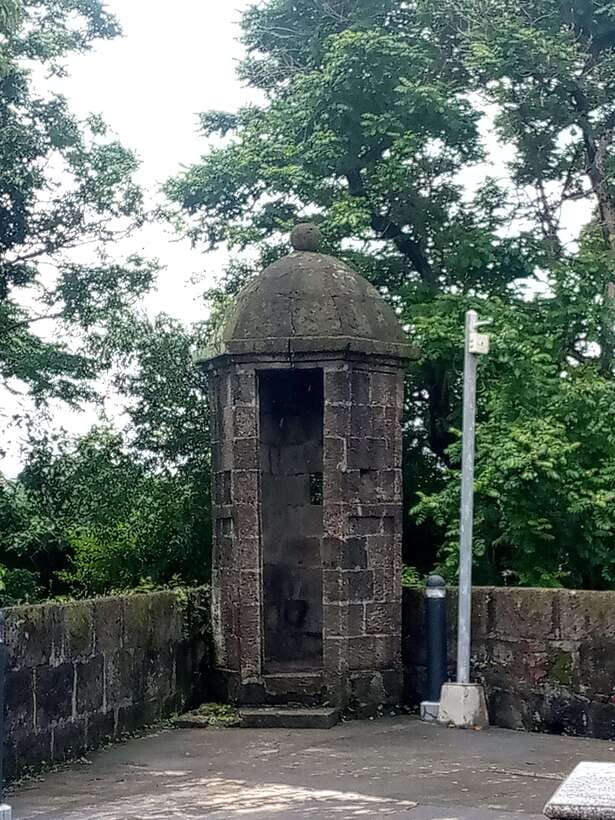
Intramuros is Manila’s old walled city, but this experience is not a standard architecture walk. Its subject is the fear, grief, courage, and political conflict attached to the walls. The ghost stories give the evening an eerie mood, yet the strongest parts come from the real people who suffered inside these buildings.
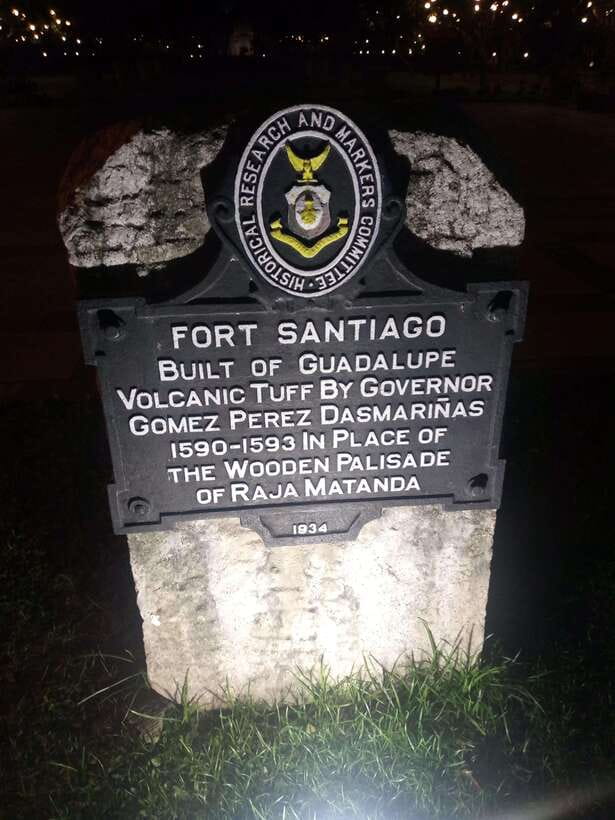
You begin at Fort Santiago, one of the most important sites in the district. From there, the guide frames Intramuros as a place shaped by changing powers: pre-Hispanic Manila, Spanish rule, reform movements, the Philippine-American War, and the Japanese occupation.
That broad sweep matters. You are not hearing disconnected tales about ghosts in old rooms. You are following the consequences of power through prisons, churches, military sites, and public streets. The dark stories make more sense when you know who was held, who resisted, and why these places became symbols of fear.
The guide is also part of the experience. The strongest version of this tour depends on an engaging storyteller who can handle painful material with care. The available feedback points to a guide whose passion and entertaining teaching style helped bring the area to life, so expect a talk-led walk rather than a quiet visit with occasional facts.
More Manila Intramuros Walking Tours in Manila
- Intramuros, Manila: Historical Bamboo Bike Tour
★ 4.8 · 583 reviews - Experience Intramuros with Bamboo Bicycle – Ecotours
★ 5.0 · 508 reviews - Manila: Intramuros, Chinatown, and Old Manila Half-Day Tour
★ 4.8 · 475 reviews
Fort Santiago: dungeons, barracks, and Dr. Jose Rizal’s cell
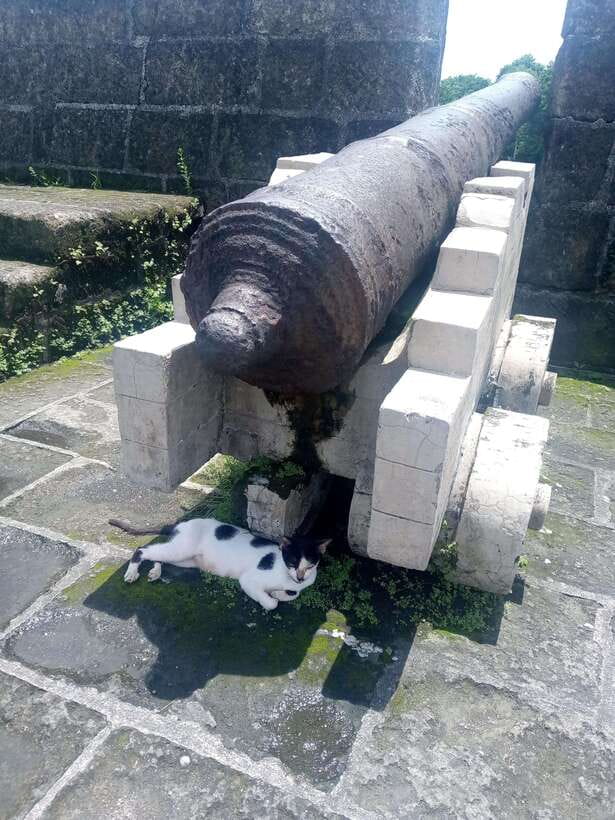
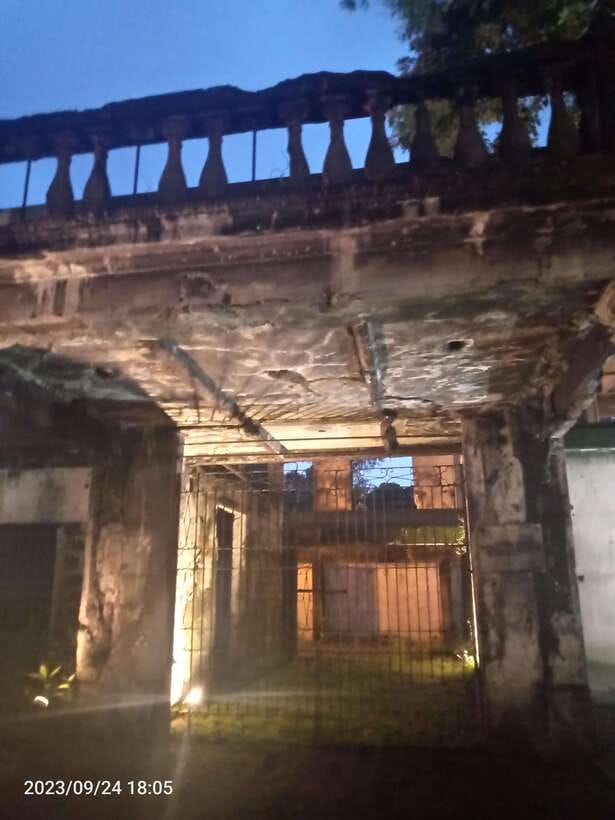
Fort Santiago receives about an hour, making it the clear center of the tour. This is where you see the Old American Barracks, the dungeons, and the baluartes, or defensive bastions. These spaces are linked to stories of apparitions, but the physical setting is powerful even without the supernatural angle.
The dungeons are especially sobering. You hear how prisoners endured cramped chambers with very little oxygen, then learn that about 600 Filipino and American civilian prisoners of war died in the chambers. A mass grave becomes a place for quiet tribute rather than a dramatic ghost-story prop.
That distinction is important. The experience may mention spirits and common sightings, but the documented human cost gives the visit its real force. You should approach the dungeons with respect and expect a serious tone.
Another major stop is the last prison cell of Dr. Jose Rizal. Rizal was detained there before his execution, and the cell connects the personal story of one national hero to the larger reform movement that helped shape the Philippines.
I find this part particularly useful for visitors who know Rizal’s name but not the pressures behind his work. The guide connects his imprisonment to reformism and to the wider struggle against colonial control. You get a sense of how a prison cell became part of the country’s political story.
The Old American Barracks and fort defenses add another layer. Here, the tour points toward later conflicts and the violence that passed through Intramuros. You might find the atmosphere unsettling, especially if you visit in low light, but the tour’s value comes from understanding why these structures mattered.
Allow yourself to pause when the guide discusses the mass grave and the prisoners. The schedule is organized, but this is not a place to rush through for photographs. Bring a camera if you want to record the architecture, but be mindful of when photography feels appropriate.
Manila Cathedral and the old church-state struggle
After Fort Santiago, the route moves to Manila Cathedral for about 15 minutes. That is a short stop, so you should expect a focused explanation rather than a full examination of every chapel, artwork, or architectural detail.
The subject here is the power struggle between the church and the government. The guide explains how Indigenous Filipinos, referred to in the historical language of the period as Indios, were caught in that conflict. This shifts the story away from grand buildings and powerful institutions and toward the people who carried the burden of those decisions.
Manila Cathedral works well in the route because it gives you a different kind of dark story. Fort Santiago speaks through prisons and military force. The cathedral introduces religious authority, colonial politics, and the way institutions shaped daily life.
Keep your expectations practical. Fifteen minutes is enough to place the cathedral in the larger story, but not enough for a slow architectural study. If you want extensive church history or time for quiet prayer, you may need a separate visit.
General Luna Street and the Philippine-American War
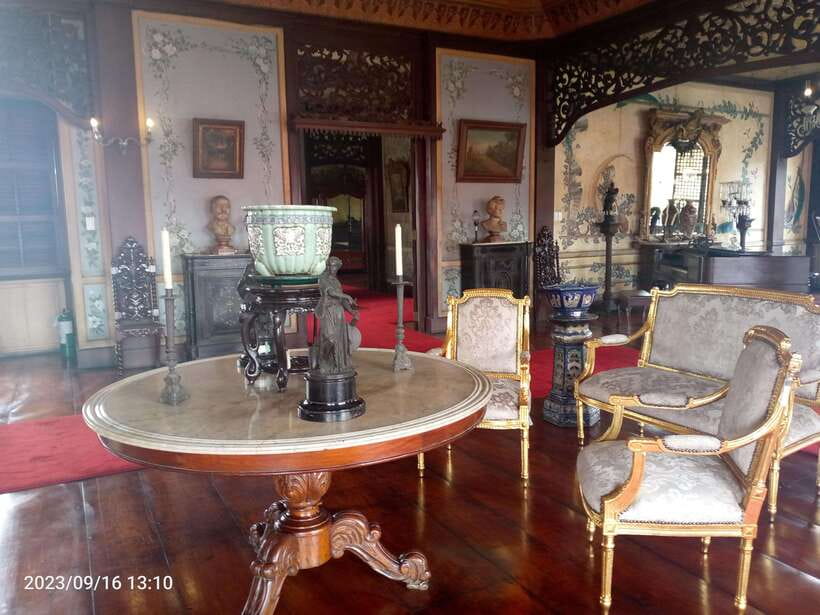
The walk through Intramuros continues along General Luna Street. This portion gives the tour room to breathe after the enclosed spaces of Fort Santiago and the formal setting of the cathedral.
The guide tells stories of Filipino courage and sacrifice during the Philippine-American War. The street becomes more than a route between attractions. It is a setting for discussing people who faced military pressure and made difficult choices during a period of major change.
This stop also helps explain why the tour includes unsung patriots. The focus is not limited to famous leaders. You hear about figures such as Rajah Sulayman, Andres Novales, and Gen. Vicente Lim, along with forgotten revolutionaries whose struggles are less likely to appear in a short sightseeing visit.
For me, this is one of the tour’s best ideas. A haunted walk can easily become a parade of spooky claims. By placing those tales beside real acts of resistance, the guide gives you a more grounded view of Intramuros.
The street walk does require attention to your footing and surroundings. Wear comfortable shoes, carry water, and keep your camera ready for views of the walls and old buildings. Smoking is not allowed during the activity.
Same islands, a completely different day on the water:
- Manila: Old & New 4-Hour City Tour
★ 4.5 · 458 reviews - Manila Food Tour: Introduction to Philippine Street Food
★ 5.0 · 417 reviews - Spectacular Manila to Tagaytay: Full-Day Sightseeing Tour
★ 5.0 · 349 reviews - Makati Nightlife: VIP Access to Clubs, Rooftops & Go-Go Bars
★ 4.9 · 278 reviews
Saint Agustin Church and the resilience of old Manila
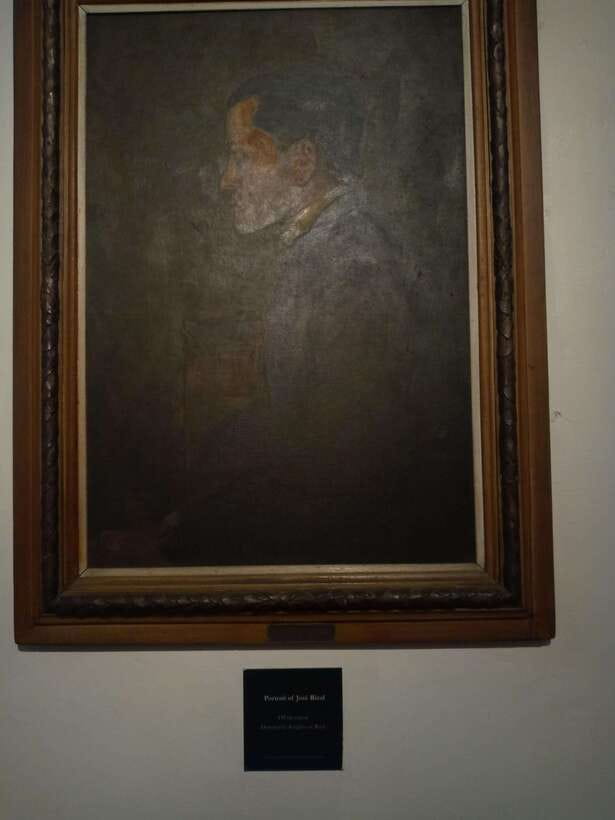
Saint Agustin Church is the next major landmark, with roughly 20 minutes devoted to the Intramuros portion of the route. The church is presented through stories of resilience across different periods of Philippine history.
That angle makes the church more interesting than a quick photo stop. You hear how it endured through political shifts, war, and the changing fortunes of the walled city. The building becomes a marker of survival, not just a beautiful historic structure.
The timing is again fairly tight. You can expect the guide to point out why the church matters and connect it to the wider story, but you should not count on an unhurried examination of every interior detail.
If churches are your main interest, you might want to return independently. On this tour, Saint Agustin Church serves the larger narrative. It balances Fort Santiago’s horror with a story of endurance.
Bonifacio Shrine and the final tribute
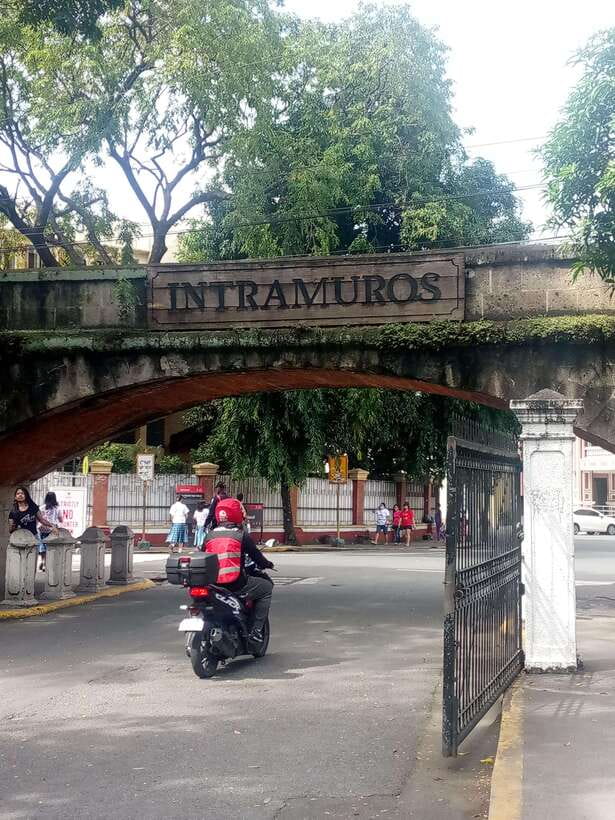
The final stop is the Bonifacio Shrine in front of Manila City Hall. This is outside the central cluster of the earlier Intramuros stops and gives the tour a closing note focused on revolution.
Andres Bonifacio is honored here as the Father of the Philippine Revolution. The guide also remembers revolutionaries whose names are less familiar. That final gesture matters because it brings the tour back to ordinary people and contested national memory.
The shrine is not simply a final photograph. It is where the route traces the struggle of the Philippine Revolution and asks you to consider who gets remembered. After hearing about colonial power, imprisonment, church-state conflict, war, and sacrifice, you end with a public tribute to resistance.
The published route indicates a return to Fort Santiago, while the final stop is described at the Bonifacio Shrine near Manila City Hall. Since those points are not next door to each other, confirm the exact ending and return arrangement with the guide when you meet. This is a useful detail if you have a dinner booking or an evening transfer planned.
What the $48 price means
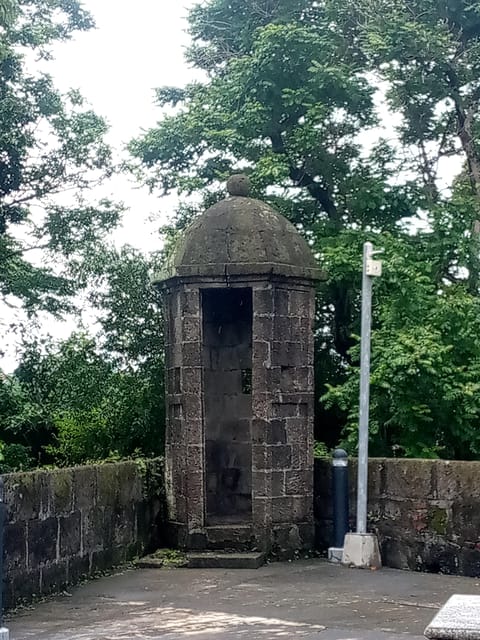
At $48 per person, this is not the cheapest way to see Intramuros. The value rests on the private format, the live guide, Fort Santiago admission, and the amount of interpretation packed into two hours.
A self-guided visit can show you the walls, churches, and fortifications, but it will not automatically explain how Rajah Sulayman, Rizal, Bonifacio, wartime prisoners, and the church-state struggle fit together. If you want a clear story and prefer asking questions as you walk, the price is easier to justify.
The private group format may also suit couples, families with older teenagers, or small groups that want a more direct conversation. You are not simply following a large crowd from one photo stop to the next. The guide can keep the emphasis on the parts that interest you most, within the fixed two-hour schedule.
Still, do not book it expecting an extensive museum tour or a long visit at every site. The route covers a lot. Fort Santiago gets about an hour, while Manila Cathedral and the surrounding Intramuros section receive much less time. The price works best when you value the guide’s storytelling more than a leisurely pace.
Free cancellation up to 24 hours before the activity and a reserve-now, pay-later option make the booking less rigid. Meals, drinks, hotel pickup, drop-off, personal expenses, and anything beyond the listed Fort Santiago admission are not included.
Who will enjoy this walk most
I would choose this tour if you like history with an eerie edge. It suits you if you want to hear about prisons, wartime suffering, political struggle, and reported hauntings in the same walk.
It is also a good match if you have limited time in Manila. Two hours gives you an organized introduction to several key sites without requiring a full day. The English or German guide options make it useful for international visitors, and the private format allows a more personal exchange.
You should think twice if you want a light, family-friendly sightseeing outing. Children under 12 are not considered suitable, and the subject matter includes death, imprisonment, and atrocities. Pregnant women and people with mobility impairments are also listed as unsuitable.
There is conflicting accessibility information. The activity details describe it as wheelchair accessible, but the suitability notes exclude wheelchair users and people with mobility impairments. If this affects your booking, contact the provider before paying and ask about the exact walking surfaces, fort access, and route.
The walk is also a poor fit if you dislike ghost stories or prefer to keep travel history strictly academic. The guide includes haunted accounts as part of the experience. You can still focus on the documented events, but the supernatural theme is part of the tour’s identity.
Practical advice for a respectful visit
Wear shoes that can handle a lot of walking. The route moves through a fort, streets, church areas, and historic defenses, so comfort matters more than fashion.
Bring water. The tour asks you to stay hydrated, and the Fort Santiago dungeon stories make the lack of air and cramped conditions part of the subject. A bottle in your bag is a small but useful preparation.
Bring a camera, but use it thoughtfully. Intramuros offers plenty to photograph, including fort walls, church exteriors, and old defensive structures. At the dungeons, prison cell, and mass grave, listen first and photograph only when it feels respectful.
The tour is offered in English and German. It begins at Fort Santiago, and the stated duration is two hours. Check the starting time when booking, since availability determines the departure options.
The tone can shift quickly from entertaining storytelling to painful history. That is not a flaw, but you should know what you are signing up for. The guide’s job is to make the past understandable without turning suffering into a cheap thrill.
Should you book the Intramuros Dark Tour?
Book it if you want a focused, private introduction to Intramuros that gives equal attention to ghost stories and real historical trauma. Fort Santiago is the strongest section, with its dungeons, mass grave, American barracks, and Rizal’s final cell. The later churches and shrines widen the story and help you connect individual suffering with national struggle.
Skip it if you want a relaxed architecture tour, extensive time inside each church, or an outing suitable for young children. The pace is brisk, the subject matter is serious, and the walking requirements are real.
For the right visitor, $48 buys more than entry to a fort. It buys a clear narrative linking Manila’s old walls to reform, revolution, war, and memory. Bring good shoes, water, and a respectful attitude, and this can be one of the more affecting ways to meet Intramuros.
FAQ
Where does the Intramuros Dark Tour begin?
The tour begins at Fort Santiago.
How long does the tour last?
The stated duration is two hours.
What language is the tour offered in?
The tour is offered in English and German.
Is Fort Santiago admission included?
Yes. Admission to Fort Santiago is included with the guided Intramuros tour.
Is the tour private?
Yes. The activity is described as a private group tour.
What places does the route visit?
The route includes Fort Santiago, Manila Cathedral, Intramuros streets, Saint Agustin Church, and the Bonifacio Shrine near Manila City Hall.
Are meals and drinks included?
No. Meals and drinks are not included.
What should I bring?
Bring comfortable walking shoes, a camera, and water.
Who is the tour not suitable for?
The activity is not suitable for children under 12, pregnant women, people with mobility impairments, or wheelchair users. The details also describe the activity as wheelchair accessible, so you should confirm the exact conditions with the provider before booking if accessibility is important.
Just added around Manila
- Underground River with Lunch★ 3.6 · 5 reviews
- 3 Days Private Tour in Banaue Ifugao visiting Batad Rice Terraces★ 3.5 · 3 reviews
- Tagaytay Adventure: Volcano Views, Countryside, Market & Cruise!★ 4.5 · 14 reviews
- Private Tour: Tagaytay Midlands & Taal Volcano Boat Ride★ 4.5 · 15 reviews
- Tagaytay + Hidden Valley Springs: A Scenic Escape w/ Transfers★ 4.0 · 4 reviews
- Tagaytay Day Tour sightseeing with Panoramic Taal volcano view★ 5.0 · 6 reviews
- Unforgettable Manila Fishing Village Day Excursion 2024★ 5.0 · 4 reviews
- Cultural Dinner and Show in Manila★ 5.0 · 4 reviews
Manila Intramuros Walking Tours, compared.

Intramuros, Manila: Historical Bamboo Bike Tour
Read our review →
Experience Intramuros with Bamboo Bicycle – Ecotours
Read our review →
Intramuros, Chinatown, and Old Manila Half-Day Tour
Read our review →
Manila Old and New: Sightseeing Tour Including Intramuros and Fort Santiago
Read our review →
Explore Intramuros: Introduction to Philippine History
Read our review →Browse the lists this tour appears in