
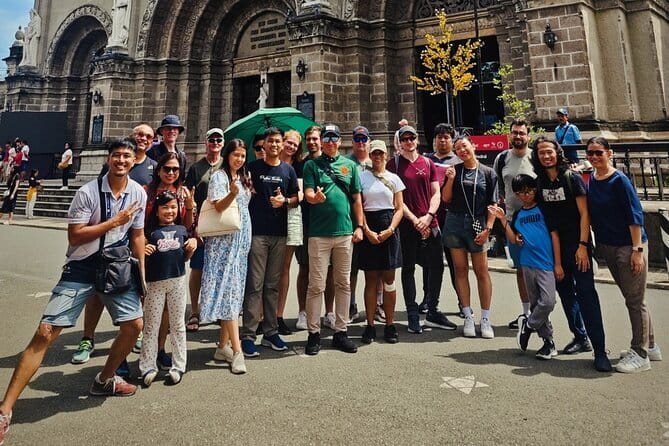
Reviewed · MANILA INTRAMUROS WALKING TOURS
A Step Back in Time: Intramuros Walking Tour
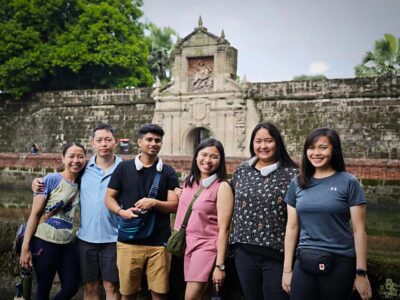
Fort Santiago is the heart of this three-hour walk through Intramuros, where prison cells, a national hero’s final days, wartime tragedy, and Spanish colonial life all fit into one compact route. Russell Leyco leads the experience with history, humor, and personal storytelling rather than a dry list of dates.
I like the strong mix of major sights and smaller historical stops, especially the Rizal Shrine and Memorare Manila Monument. I also like that admission to Fort Santiago and Casa Manila is covered, while the route ends at Casa Manila, close to places where you can stop for lunch. The main consideration is the heat: you will be on foot for much of the morning, with limited time at each stop.
Key points to know before booking
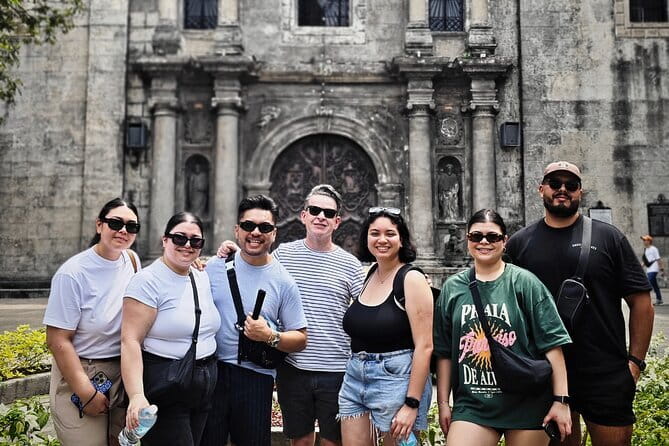
- Fort Santiago anchors the tour: Allow about an hour for the fort, including its dungeon, museum displays, and other attractions.
- Russell Leyco brings the past to life: His approach mixes historical facts, human stories, empathy, and light humor.
- Six important stops fit into three hours: You see the best-known sights without committing to a full-day outing.
- Admission fees are included: Fort Santiago and Casa Manila are covered, which makes the $25 price easier to judge.
- The walk ends at Casa Manila: You finish inside the San Luis complex, a useful spot for continuing your day.
- The group can reach 30 people: This is not a private walk, so the guide’s pace and your position in the group may matter.
Why Intramuros works best on foot
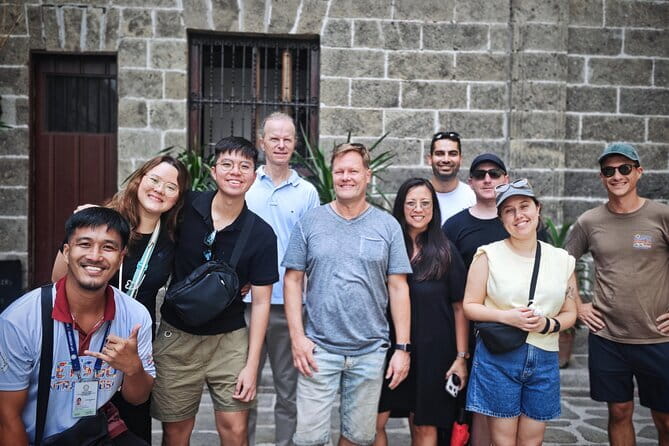
Intramuros is Manila’s old walled city, and walking gives you the clearest sense of how its churches, military defenses, civic buildings, and private homes fit together. A vehicle can carry you between sights, but it cannot give you the same feel for the short streets and changing atmosphere.
This tour also has a sensible historical arc. You begin with Fort Santiago, a defensive stronghold and place of imprisonment. You then move to Jose Rizal’s memorial, the Manila Cathedral, a monument to wartime civilian deaths, San Agustin Church, and Casa Manila’s recreation of colonial domestic life.
That order lets you move from national politics and resistance to religion, war, architecture, and everyday living. In three hours, you get more than isolated photo stops.
The meeting point is at United Philippine Lines, One Fort Santiago 1 on Sta. Clara Street. The start time is 9:00 a.m., a practical choice for a walking tour in Manila. You will want to arrive ready to walk, with comfortable shoes, sun protection, and water. The route is near public transportation, but hotel pickup and private transport are not included.
More Manila Intramuros Walking Tours in Luzon:
- Manila Old and New: Sightseeing Tour Including Intramuros and Fort Santiago
★ 4.5 · 377 reviews - Manila’s Walled City: Intramuros Walking Tour
★ 5.0 · 82 reviews - Express Bamboo Bike Tour inside Intramuros
★ 4.5 · 66 reviews
Fort Santiago, where the story begins
The tour opens with about an hour at Fort Santiago, the largest and most substantial stop on the route. This is where the experience earns much of its historical weight.
You can expect to hear about the fort from a Department of Tourism accredited guide while exploring its interior attractions. The listed visit includes the dungeon, a Lego museum, and other displays. The combination is useful because the fort is not just one monument. It is a collection of spaces that show military control, punishment, memory, and modern interpretation.
The dungeon is the kind of place where a guide adds real value. Without context, it may seem like another dark room in an old fort. With explanation, it becomes part of a larger story about imprisonment and the hard conditions endured by people caught in the country’s political and military conflicts.
The Lego museum offers a different tone. It gives the visit a more accessible, family-friendly element, though visitors seeking only traditional architecture may find this less essential than the fort’s main structures and historical spaces.
You should budget the full hour here. Fort Santiago is the tour’s biggest site, and rushing through it would weaken the rest of the morning. Admission is included, so there is no extra ticket decision once you arrive.
The Rizal Shrine and the path to independence
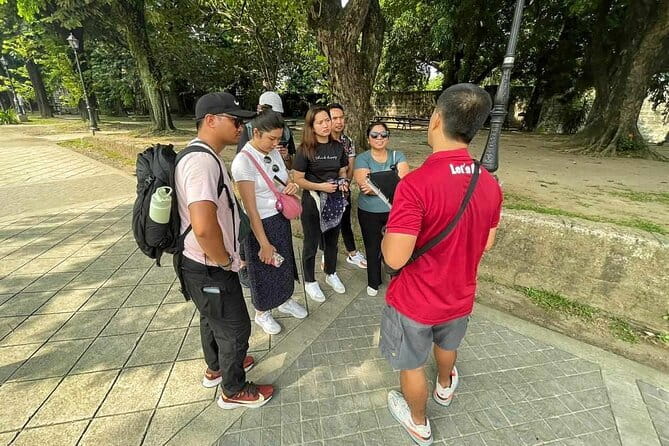
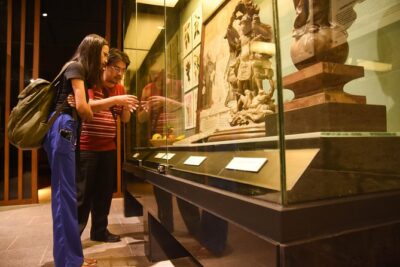
Inside Fort Santiago, the Rizal Shrine receives about 20 minutes. The museum is devoted to Dr. Jose Rizal, the Philippines’ national hero, and includes personal belongings, photographs, artwork, and material connected with his writing and public life.
The stop matters because Rizal’s story gives the fort a human center. You are not only looking at walls and old military spaces. You are learning about a writer and reformer who spent his final days at Fort Santiago before his execution.
The museum also connects Rizal’s death to the wider movement for Philippine independence. That makes this a particularly useful stop if you are new to Philippine history. You do not need prior knowledge to understand the basic sequence, and Russell’s storytelling can help link objects in the museum to the national story beyond Intramuros.
Twenty minutes is enough for an introduction, but not enough for a slow study of every item. If Rizal is your main interest, you may want to remember the museum and return later with more time. As part of a general Intramuros walk, the short visit works well.
Manila Cathedral and the city’s religious center

From Fort Santiago, the route continues to Manila Cathedral. The scheduled visit lasts about 20 minutes, with the guide explaining the importance of what is described as the Philippines’ mother church.
This stop gives the tour a change of scale. Fort Santiago feels defensive and enclosed. The cathedral shifts your attention to faith, public ceremony, and the continuing role of religious buildings in Manila’s civic life.
The tour does not list an admission fee here. You receive the guide’s explanation and a chance to take in the building without another ticket charge. The visit is brief, so expect an introduction rather than an extended architectural lecture or a long period for quiet observation.
That brevity is both useful and limiting. It keeps the walk moving, but it means the guide has to choose the most important details. If churches are central to your interests, San Agustin later in the route receives a more substantial visit.
A few more Luzon trips to weigh up
- Manila Intramuros Walking tour with Local Tour Guide
★ 5.0 · 33 reviews - Intramuros & Chinatown Manila Tour – Walking, Food & Culture
★ 4.5 · 32 reviews - Manila: Binondo Walking Tour ( Oldest Chinatown )
★ 5.0 · 30 reviews - Manila Old & New City Walking Tour With A Guide
★ 4.0 · 9 reviews
Memorare Manila and the hard memory of 1945
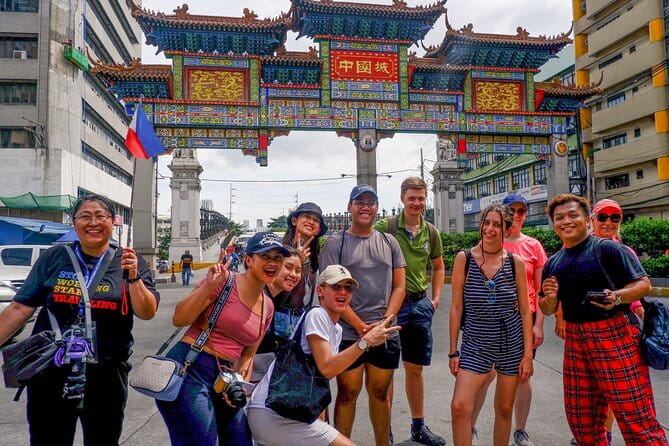
The Memorare Manila Monument is a short 15-minute stop, but do not mistake its length for a lack of importance. Here the guide discusses the Japanese invasion and the Manila Massacre.
This is one of the tour’s strongest choices because it widens the story beyond Spanish colonial rule. Intramuros is often presented through churches, fortifications, and old streets. The monument forces attention onto the destruction and civilian suffering that shaped modern Manila.
Fifteen minutes is enough to establish the basic context and listen to the guide’s account. It is not enough to cover every detail of the invasion or the massacre, so you should think of this as a serious introduction rather than a complete wartime history lesson.
The tone may also shift here. Russell’s humor and lively manner are useful throughout the walk, but this subject calls for care. The value of the stop lies in its human focus and its reminder that Intramuros is not only an attractive old quarter. It is also a place marked by loss.
San Agustin Church, a UNESCO-listed survivor
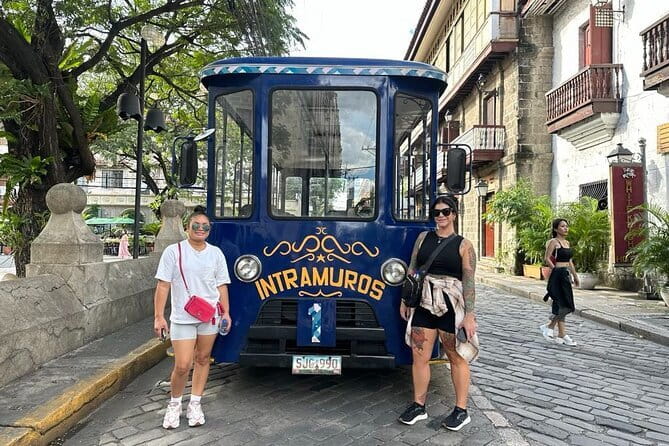
San Agustin Church, also called the Immaculate Conception Parish, receives about 20 minutes. It is a UNESCO World Heritage baroque church and one of the tour’s major architectural highlights.
This is where you get a clearer look at the Spanish colonial religious tradition that shaped Intramuros. The church adds texture to the story of Manila by showing how faith, art, construction, and colonial power came together in one building.
The UNESCO designation gives the church international importance, but you do not need a technical interest in heritage preservation to enjoy the visit. The guide’s role is to explain why this church matters within the larger history of the walled city.
Again, 20 minutes is a compact visit. You can see the church and hear its main story, but you should not expect the slow pace of a dedicated church tour. If you want time for careful photographs, quiet reflection, or close attention to decorative details, you may need to return independently.
San Agustin is also a useful counterpoint to Manila Cathedral. Seeing both in one morning lets you compare two important religious sites rather than treating either one as an isolated stop.
Casa Manila and the colonial home
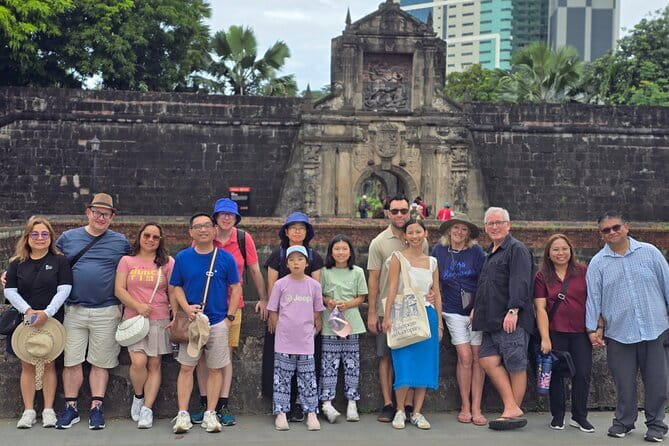
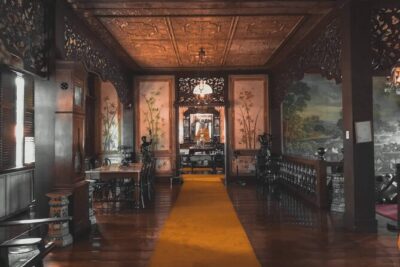
The final stop is Casa Manila, where the tour ends. You spend about 20 minutes inside the museum, which recreates the feel of a colonial-era home.
After seeing a fort, a shrine, churches, and a wartime monument, Casa Manila brings the story down to household scale. You get a sense of how domestic life was presented through rooms, furnishings, decoration, and social customs.
This is a smart ending because it changes the question from who controlled Manila to how people lived within that system. You are no longer looking only at public buildings or national figures. You are considering status, comfort, family life, and the material world of the colonial period.
The museum admission is included. The short visit gives you a strong overview, though anyone fascinated by interiors may wish for more time. The walk finishes at Casa Manila Museum in the Plaza San Luis complex on General Luna Street, so you are not returned to Fort Santiago. Plan your onward route from there.
Russell Leyco’s storytelling style

The guide can make or break a history walk, and Russell Leyco is the named host for this experience. His style is described through a mix of historical explanation, personal interpretation, humor, and empathy.
That combination suits Intramuros. The subject includes national heroes, religion, colonization, execution, war, and massacre. A purely academic delivery could feel heavy over three hours, while an overly light presentation would miss the seriousness of the place. Russell’s approach aims for a middle path.
Several details point to his practical strengths. He is described as considerate and lively, and his advice can extend beyond the tour to other parts of a stay in the Philippines. One account also identifies a guide as Sir Rasa, so the exact guide assigned may vary. Russell Leyco is the host named in the tour information, but you should confirm the guide if having a particular person matters to you.
The group maximum is 30 people. That is a moderate-to-large walking group, not an intimate private tour. A group this size can make the price attractive, but you may need to stay near the guide to hear every explanation. The tour is intended for most participants, though the supplied information does not give detailed accessibility notes.
Is $25 a fair price?
At $25 per person, this is a reasonable way to cover the main Intramuros sights in one morning. The value comes from three things: the guide, the route, and the included admissions.
Fort Santiago and Casa Manila both include admission, and the Department of Tourism accredited guide gives you historical context at each stop. If you visited the paid sites on your own, you would save the guide fee but would have to research the sequence, arrange your own explanations, and connect the sites yourself.
The price is less compelling if you want a private experience, a slow photographic walk, or long visits inside museums. The group may reach 30 people, and the schedule gives each location a fixed window. You are paying for a well-organized overview, not unlimited time at every sight.
Food, drinks, hotel pickup, and hotel drop-off are not included. Water may be provided as a courtesy, but it is not listed as a formal inclusion, so bring your own. A past booking account also suggested ending with lunch at Barbara’s, a practical idea near the historic district, but lunch is your own expense and is not part of the tour.
Who should book this walk
I would choose this experience if you are visiting Manila for the first time and want a clear introduction to Intramuros. It is also a good fit if you enjoy history but do not want to spend an entire day inside museums.
Families may appreciate the range of subjects and the Lego museum at Fort Santiago. The route also suits curious visitors who know little about Philippine history, since it starts with basic landmarks and builds toward larger themes.
It can work well for long-term residents, too. One account from a foreign resident who had already spent years in the Philippines found the tour useful because the guide added fresh interpretations and humor. That is a reminder that familiarity with the country does not guarantee familiarity with Intramuros.
You may want a different plan if you dislike group walks, struggle in hot weather, or prefer to linger at one site. The tour runs for about three hours, and the steady schedule leaves little room to stop spontaneously.
Book at least a little ahead if possible. The experience is booked an average of 18 days in advance, suggesting that the 9:00 a.m. departures can fill before your trip. Confirmation is provided at booking, and free cancellation is available up to 24 hours before the start time. Cancellations or changes made inside that window are not accepted for a refund.
Should you book the Intramuros walking tour?
Book it if you want a strong first look at Manila’s walled city, with a guide who can connect military history, Rizal, religion, wartime tragedy, and domestic life in one morning. The route is focused, the paid admissions are included, and the $25 price is fair for a guided three-hour introduction.
Skip it if you already know Intramuros well and want unhurried time inside each museum or church. For most first-time visitors, though, Russell Leyco’s storytelling and the carefully linked stops make this a practical way to understand why Intramuros matters.
FAQ
How long does the Intramuros walking tour last?
The experience lasts approximately three hours.
What time does the tour start?
The tour starts at 9:00 a.m.
Where does the tour begin?
It begins at United Philippine Lines, One Fort Santiago 1, Sta. Clara Street, Intramuros, Manila.
Where does the tour end?
The tour ends at Casa Manila Museum in the Plaza San Luis complex on General Luna Street, Intramuros.
Are admission fees included?
Yes. Admission fees to the included sites are covered, including Fort Santiago and Casa Manila.
Is transportation included?
No. Private transportation, hotel pickup, and hotel drop-off are not included.
What is the cancellation policy?
You can cancel up to 24 hours before the local start time for a full refund. Cancellations or changes made less than 24 hours before the start time are not accepted for a refund.
Just added around Luzon
- Villa Escudero Tour with Lunch From Manila (SHARED)★ 5.0 · 5 reviews
- Private Filipino Cooking Class in the Heart of Manila,Makati City★ 5.0 · 5 reviews
- Villa Escudero Coconut Plantation Day Trip from Manila★ 3.5 · 9 reviews
- VILLA ESCUDERO DAY TOUR with Carabao Cart Ride and Bamboo from Manila★ 4.0 · 6 reviews
- Angeles City / Clark Airport to La Union (Bauang, San Fernando, San Juan)★ 3.5 · 4 reviews
- The Jeepney & Tuk Tuk Adventure ride with Local Guide★ 4.5 · 4 reviews
- Sagada and Banaue Rice Terraces 4-Day Tour★ 5.0 · 4 reviews
- Pagsanjan Falls Adventure with Lunch and Rapids Experience★ 4.5 · 3 reviews
Manila Intramuros Walking Tours, compared.

Intramuros, Manila: Historical Bamboo Bike Tour
Read our review →
Experience Intramuros with Bamboo Bicycle – Ecotours
Read our review →
Intramuros, Chinatown, and Old Manila Half-Day Tour
Read our review →
Manila Old and New: Sightseeing Tour Including Intramuros and Fort Santiago
Read our review →
Explore Intramuros: Introduction to Philippine History
Read our review →Browse the lists this tour appears in