

Reviewed · MANILA INTRAMUROS WALKING TOURS
Manila: Intramuros, Old and New
Intramuros is the heart of this tour, a walled Spanish-era city where forts, churches, old houses, and wartime scars sit close together. You also get a useful look at modern Manila, with stops or drive-through views around Makati City, Manila Bay, Binondo, and other central areas.
I like the private format, since guide Marvin has proved flexible with pickup times, family needs, questions, and nearby sights. I also like the range: San Agustin Church and Casa Manila give you a focused look at the old city, while Makati shows how sharply Manila has changed.
The main drawback is the pace. Four hours is enough for a strong first look, but not enough for slow museum visits, long shopping, and every historic stop in depth. Expect moderate walking, city traffic, heat, and a fairly full schedule.
Key points to know before booking
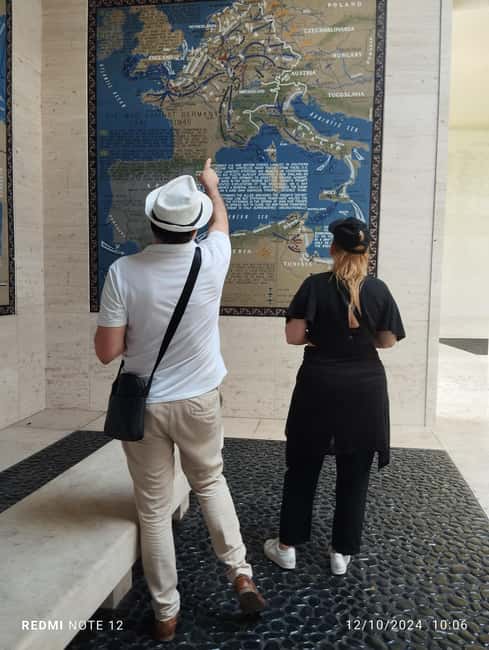
- Intramuros anchors the tour: Walk through the old walled city, see its defenses, and visit important Spanish-period sites.
- San Agustin Church is the cultural high point: Admission is included at this UNESCO World Heritage Site.
- Marvin is often the guide: He is praised for clear explanations, patience in traffic, and a relaxed manner. Ask if he will lead your booking.
- Old Manila meets new Manila: The route combines historic districts with Makati’s modern business center.
- Private pickup adds flexibility: You can be collected from a place of your choice, and the guide can respond to your interests.
- Plan for sun and walking: Bring water, sunscreen, a hat, a camera, and comfortable shoes.
Why this four-hour Manila tour works
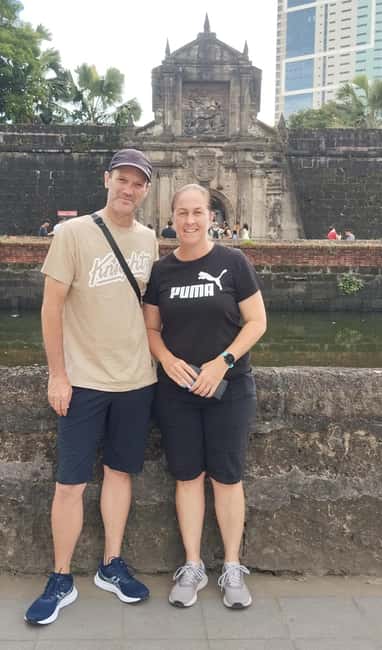
Many first visits to Manila feel scattered. The city is large, traffic can be slow, and its historic sights are not all in one compact district. This tour gives you a useful framework in a short time: start with the old Spanish center, add churches and fortifications, then look at the commercial city that grew beyond the walls.
At $67 per person, the price makes the most sense for a private group that wants transportation, a guide, and a broad introduction without arranging every stop alone. It is less compelling if you only want to wander Intramuros at your own speed or spend half a day inside one museum.
The tour is conducted in English. Pickup is included from a location you choose, which matters in Manila because getting between districts can take time. Your guide handles the driving and route, leaving you free to watch the city rather than study a map in the back seat.
Marvin is the guide named most often in the available booking information. His strengths are practical as much as historical: he is described as punctual, patient with traffic, easy to talk with, and willing to adjust the day. He has also handled families with children and answered questions about customs, food, family life, and basketball. Guide availability can change, so ask at booking if you specifically want Marvin.
More Manila Intramuros Walking Tours in Manila
- Intramuros, Manila: Historical Bamboo Bike Tour
★ 4.8 · 583 reviews - Experience Intramuros with Bamboo Bicycle – Ecotours
★ 5.0 · 508 reviews - Manila: Intramuros, Chinatown, and Old Manila Half-Day Tour
★ 4.8 · 475 reviews
Entering Intramuros, Manila’s walled Spanish town
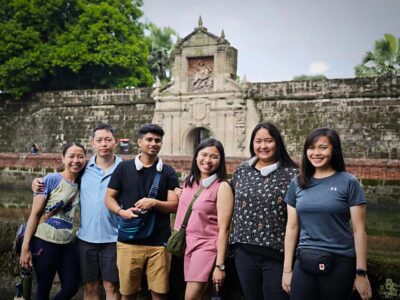
Intramuros means within the walls, and the name explains the basic character of the place. This was the old fortified center of Spanish Manila, protected by thick walls, gates, watchtowers, and defensive positions facing the river and Manila Bay.
You will see sections of the wall and the old fortifications as you move through the district. The walls are not just photo backdrops. They help you understand how Manila was organized, with the colonial center separated from areas outside the defensive perimeter.
The tour includes entry to Intramuros and Baluarte de San Diego. Baluarte de San Diego was a former watchtower and defensive strongpoint with views toward Manila Bay. It gives the history a physical shape: you can see how the old city watched its approaches and protected its inner streets.
I would pay close attention to your guide here. A wall or stone bastion can look simple until someone explains its purpose, the city it guarded, and the changes it has survived. Marvin is particularly praised for explaining dates and places in a relaxed way, rather than turning the visit into a dry lecture.
The district does require walking. The supplied information describes a moderate amount, not a strenuous hike, but Manila’s heat can make ordinary walking feel harder. Wear shoes with proper support, bring your own water, and use sunscreen. A hat is a sensible addition.
San Agustin Church and the old city’s churches
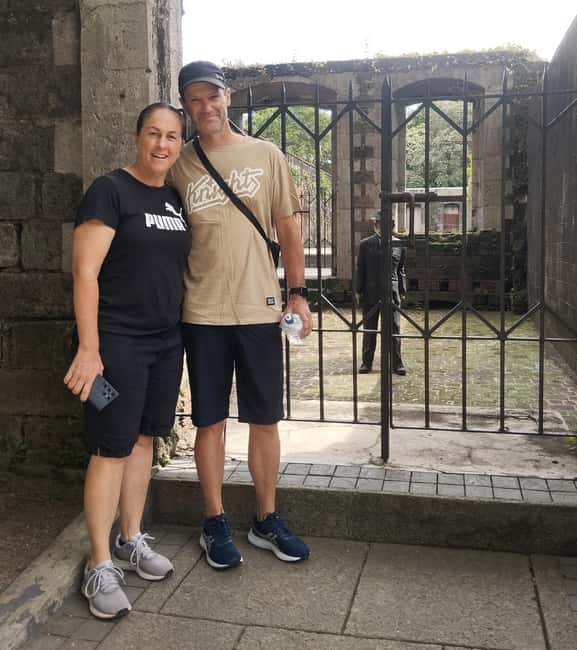
San Agustin Church is one of the major reasons to choose this tour. It is a UNESCO World Heritage Site, and admission is included, so you do not need to arrange a separate ticket for this part of the visit.
The church gives you a quieter, more focused stop after the broader drive through Intramuros. I like this combination because the walls explain the military and civic side of old Manila, while San Agustin shows the religious importance of the colonial city.
Flash photography is not allowed. Bring your camera, but follow the church rules and be ready to put it away in sensitive areas. The tour description does not promise a private service, special access, or a long guided lecture inside, so you should think of this as a meaningful visit within a wider city tour, not a full architectural study.
Your guide can add the context that a quick independent visit may lack. You will learn why the church matters, how it fits into Intramuros, and how Spanish rule shaped the city. The exact amount of time at each stop may vary with traffic and your group’s interests.
Casa Manila and a glimpse of Spanish-period home life
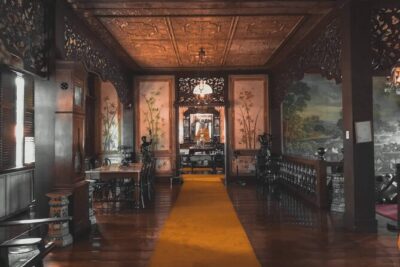
Casa Manila offers a different view of the past. Instead of looking at walls or church architecture, you see a replica of a traditional Spanish-era house. Rooms and furnishings help show how a well-off home might have been arranged during the colonial period.
This stop is useful because history can otherwise become a list of battles, dates, and governors. At Casa Manila, you can think about daily routines, household space, decoration, and social class. The replica setting also makes a clear contrast with the stone defenses outside.
I would not expect a full picture of every Filipino home. Casa Manila represents a particular style and social level, so it is best read as one carefully staged example, not as a universal image of life under Spanish rule. That limitation is also what makes the stop efficient: you get a quick visual reference without spending hours in a large museum.
Same islands, a completely different day on the water:
- Manila: Old & New 4-Hour City Tour
★ 4.5 · 458 reviews - Manila Food Tour: Introduction to Philippine Street Food
★ 5.0 · 417 reviews - Spectacular Manila to Tagaytay: Full-Day Sightseeing Tour
★ 5.0 · 349 reviews - Makati Nightlife: VIP Access to Clubs, Rooftops & Go-Go Bars
★ 4.9 · 278 reviews
Manila Cathedral and the religious center of the city
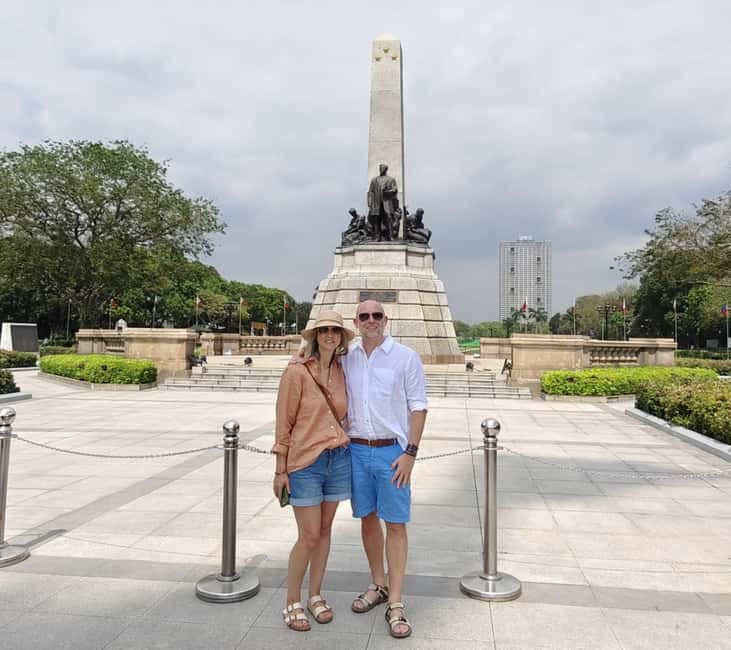
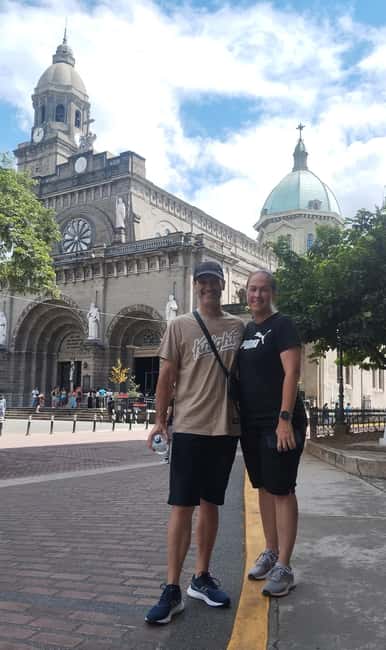
The Manila Cathedral is presented as the main church of the country, making it another central stop inside Intramuros. Its importance is both religious and civic, and it helps round out the church-focused part of the route after San Agustin.
The two churches offer a useful comparison. San Agustin connects you with an older preserved colonial setting, while Manila Cathedral represents the continuing role of a major church in the capital. Your guide can help you place both buildings within the larger story of Manila.
As with San Agustin, treat this as one stop in a moving itinerary. The experience is designed to show you several key places, not to give you unlimited time for worship, quiet reflection, or detailed photography. Flash photography is not allowed, and respectful behavior is expected in both religious sites.
Manila Bay, Binondo, and the city beyond the walls
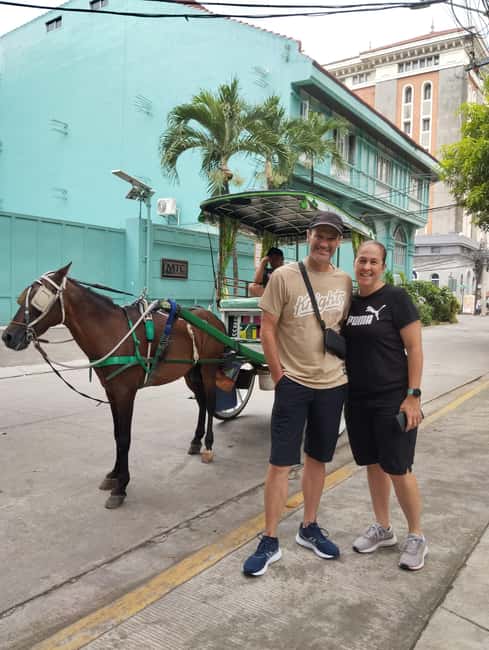
The tour also passes through Manila Bay and Binondo, adding two very different pieces of the capital. Manila Bay gives you a sense of the city’s connection to the water and its wider setting. The route may be especially useful if you have only seen Manila from one neighborhood.
Binondo is identified as the first Chinatown in the world. The tour offers a chance to see local handicrafts and souvenirs, including woodcarving, weaving, corals, pearls, and seashells. Purchases are not included, so keep shopping optional and stay aware of your budget.
This part of the day may feel less structured than the church and fort visits. That can be a benefit if you want a quick look at everyday commerce and local products, but it may disappoint you if you expect a dedicated food walk or a long market visit. Meals and drinks are not included, and the tour does not promise tastings.
I like having Binondo in the itinerary because it prevents the experience from becoming only a colonial history lesson. You get a glimpse of Manila as a working city, with trade, shopping, and different cultural influences sharing the same capital.
Makati shows Manila’s newer face

Makati City supplies the sharp change of mood promised by the tour’s old and new theme. After Intramuros, its central business district gives you a look at modern offices, investment, shopping, and the newer economic center of Manila.
One booking described this contrast as a look at investment in Manila alongside the old story of Intramuros. That is exactly the value of including Makati. You are not seeing one frozen version of the capital. You are seeing a city that carries its colonial past while building a modern commercial center.
The Makati portion may be a drive-through or a short visit rather than a separate walking tour. The exact schedule is not fixed in the supplied details, and traffic can affect how long you remain in each area. Still, even a brief passage helps you understand the distance between old Manila’s stone streets and the newer business districts.
If you want shopping, say so early. The tour includes an opportunity to purchase local handicrafts, and one booking also described a Makati shopping stop. However, shopping time is not guaranteed as a long, dedicated session, so keep your expectations practical.
A private tour shaped by the guide

The strongest feature here is the guide-led format. A private group gives you more room to ask questions and adjust the emphasis than a large coach tour normally allows. You can ask for more background at a church, spend less time shopping, or make your own priorities clear.
Marvin’s role appears to go beyond reading out dates. He is praised for explaining Manila’s past and present, driving carefully through traffic, and making people comfortable. Families found him accommodating, and several bookings describe his manner as friendly, funny, caring, and respectful.
That personal approach matters in Manila. A good guide can explain customs, food, family life, and the city’s changing identity while you move between districts. You also get the chance to ask basic questions without feeling rushed or out of place.
The tradeoff is that your experience may depend heavily on the assigned guide. Marvin is the name most frequently connected with the tour, but you should confirm who is available. The private format also means the $67 price works best when shared by several people. Solo visitors may find the per-person cost harder to justify.
Timing, comfort, and accessibility
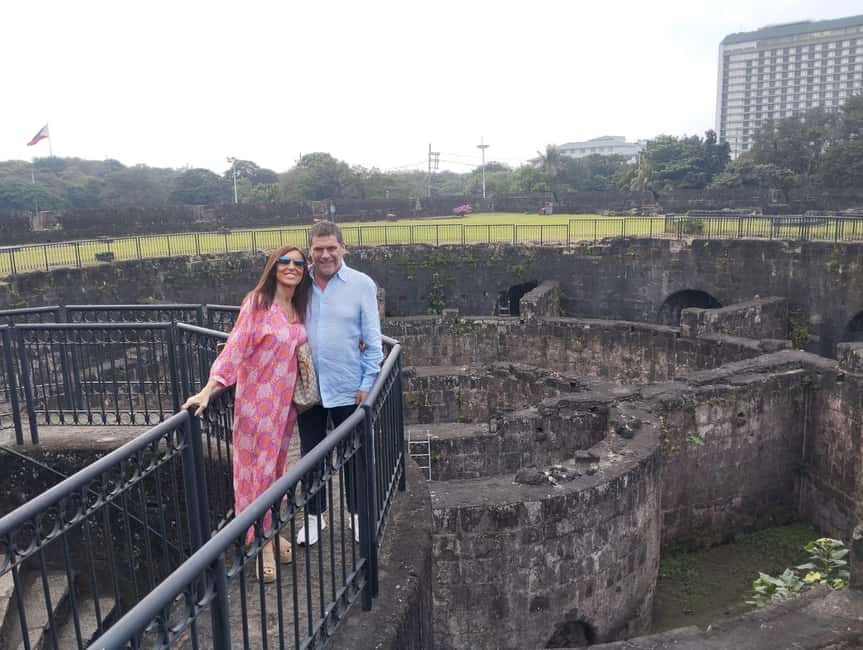
The tour lasts four hours. That is long enough for a useful introduction, but short enough to fit into a morning or afternoon if starting times are available. It is not long enough to explore every corner of Intramuros, spend extended time at every church, shop at length, and linger in Makati.
Pickup is included, and you can be collected from a place of your choice. That is a practical advantage, especially if you are staying in Makati and want to avoid arranging a separate ride to Intramuros.
Bring:
- Comfortable walking shoes
- Water
- Sunscreen
- A hat
- A camera
Smoking is not allowed during the experience, and flash photography is prohibited. The tour is described as wheelchair accessible in one section, but the same information says it is not suitable for wheelchair users. That is an important contradiction. If you use a wheelchair, contact the provider before paying and ask about the vehicle, wall surfaces, church access, and Baluarte de San Diego.
The tour is also listed as unsuitable for pregnant women and people with back problems. Those restrictions may relate to the walking and vehicle ride, but the supplied information does not explain the exact reason. If either applies to you, ask for a clear answer before booking.
Is $67 per person good value?
I see fair value here for visitors who want a private guide and transport across several Manila districts. Admission to Intramuros, San Agustin Church, and Baluarte de San Diego is included, and the route covers more than a single historic compound.
The price also buys time and orientation. Instead of figuring out how to connect Intramuros, Binondo, Manila Bay, and Makati, you can use one half-day to see how the city fits together. For a first visit, that broad picture can be more useful than spending the same amount of time in only one building.
The value drops if your priority is slow travel. You will not get an exhaustive museum visit, a full meal tour, or a long shopping session within four hours. Meals, drinks, souvenirs, and personal expenses are extra.
Free cancellation up to 24 hours before the tour and reserve-now, pay-later booking make it easier to keep your plans flexible. Starting times depend on availability, so check the schedule before building the rest of your day around it.
Who should book this Manila experience?
I would choose this tour for a first-time Manila visitor who wants a clear introduction without wrestling with the city’s traffic and distances. It also suits couples, families, and small private groups who prefer questions and conversation over a fixed large-group script.
It is a good match if you want:
- A guide who can explain dates, customs, and daily life
- A private pickup and vehicle
- Historic Intramuros with included admission
- Churches, a house museum, a fortification, and city views in one outing
- A quick comparison between old Manila and Makati
- Flexibility for children or personal interests
I would choose something slower if you already know Intramuros well or want serious time for architecture and museum interiors. I would also think twice if you dislike heat, moderate walking, traffic delays, or short visits at several different sites.
Should you book it?
Book this tour if you want to get your bearings fast and understand Manila through its contrasts: fortified Intramuros, church interiors, Spanish-period domestic life, Binondo commerce, Manila Bay, and Makati’s modern business center.
The guide is the key reason to choose it. Marvin is repeatedly described as warm, patient, flexible, and strong on Manila’s past and present. Confirm his availability if that personal style matters to you.
At $67 per person, the experience is most worthwhile for a private group sharing the cost. Bring water, wear good shoes, protect yourself from the sun, and leave room for traffic. You will see a lot in four hours, but you should book it as an intelligent introduction, not as the final word on Manila.
FAQ
How long does the Manila tour last?
The tour lasts four hours. Starting times depend on availability.
What language is the tour conducted in?
The live tour guide speaks English.
Is hotel pickup included?
Yes. Pickup is included, and you can be picked up from a place you choose.
Is the tour private?
Yes. The group type is private.
Does the price include admission to San Agustin Church?
Yes. Admission to Intramuros and San Agustin Church is included.
Is entry to Baluarte de San Diego included?
Yes. Entry to Baluarte de San Diego is included.
Are meals and drinks included?
No. Meals and beverages are not included. Souvenirs and personal expenses are also extra.
Can I buy local handicrafts?
Yes. The tour provides an opportunity to purchase local handicrafts and souvenirs such as woodcarving, weaving, corals, pearls, and seashells.
Is the tour suitable for wheelchair users?
The activity information gives conflicting details. It lists the tour as wheelchair accessible but also says it is not suitable for wheelchair users. Contact the provider before booking to confirm whether the vehicle and each stop can meet your needs.
Just added around Manila
- Underground River with Lunch★ 3.6 · 5 reviews
- Tagaytay Adventure: Volcano Views, Countryside, Market & Cruise!★ 4.5 · 14 reviews
- Private Tour: Tagaytay Midlands & Taal Volcano Boat Ride★ 4.5 · 15 reviews
- 3 Days Private Tour in Banaue Ifugao visiting Batad Rice Terraces★ 3.5 · 3 reviews
- Tagaytay + Hidden Valley Springs: A Scenic Escape w/ Transfers★ 4.0 · 4 reviews
- Tagaytay Day Tour sightseeing with Panoramic Taal volcano view★ 5.0 · 6 reviews
- Unforgettable Manila Fishing Village Day Excursion 2024★ 5.0 · 4 reviews
- Cultural Dinner and Show in Manila★ 5.0 · 4 reviews
Manila Intramuros Walking Tours, compared.

Intramuros, Manila: Historical Bamboo Bike Tour
Read our review →
Experience Intramuros with Bamboo Bicycle – Ecotours
Read our review →
Intramuros, Chinatown, and Old Manila Half-Day Tour
Read our review →
Manila Old and New: Sightseeing Tour Including Intramuros and Fort Santiago
Read our review →
Explore Intramuros: Introduction to Philippine History
Read our review →Browse the lists this tour appears in