
Reviewed · MANILA INTRAMUROS WALKING TOURS
Intramuros Walking Tour with Transportation by Don’t Skip Manila
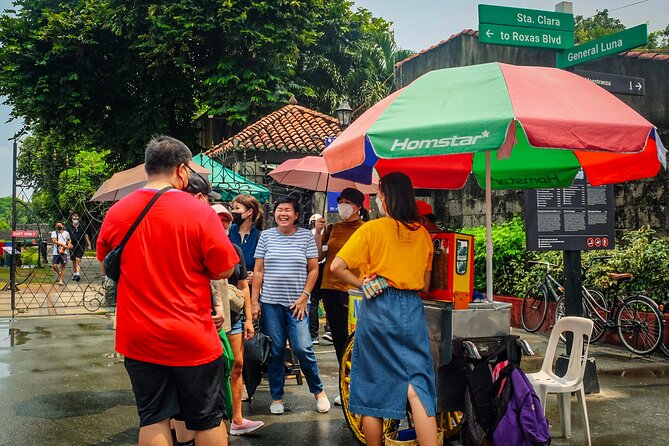
Manila’s past comes into focus inside Intramuros, where Spanish fortifications, a solemn shrine to José Rizal, grand churches, and a recreated colonial home fill one compact district. This tour gives you that story in a half day, with air-conditioned transport between stops and a guide who brings photos, music, humor, and plenty of local context.
I like the small-group format, advertised for 12 people or fewer, because it gives you room to ask questions. I also like the practical bundle: museum fees, bottled water, transport, and a horse-drawn carriage ride are included when more than four people join.
The main caution is the heat. Manila can be hot and humid, and one carriage ride may be harder to follow than the walking portions because the driver’s commentary can be difficult to hear. Intramuros itself also has areas that need better upkeep.
Key points at a glance
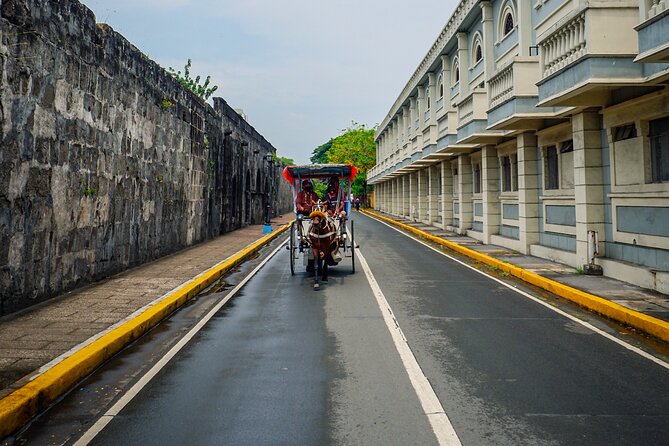
- Four important Intramuros sights: Fort Santiago, the Rizal Shrine, Manila Cathedral, and Casa Manila each show a different side of Manila’s past.
- Guides with personality: Andre, Andrei, and Andrea are praised for clear explanations, humor, local pride, and engaging storytelling.
- Transport saves time: An air-conditioned vehicle helps make a hot half day easier, especially with hotel pickup available.
- Carriage ride included in larger groups: The horse-drawn carriage is part of the package when more than four people take the tour.
- Useful for a short Manila stay: The 4 to 5 hour schedule works well for a first look at the old city or a long layover.
- Good value at $83.34: Entrance fees, water, transport, guiding, taxes, and the carriage ride are covered, though snacks and souvenirs are extra.
Why Intramuros makes a strong first look at Manila
Intramuros means within the walls, and this district was once the center of Spanish Manila. Its streets and surviving buildings give you a physical setting for the country’s long sequence of Malay, Spanish, Japanese, and Filipino influences.
That broad time frame is one of the tour’s strengths. You are not simply shown a fort and a church. You are given a useful outline of how Manila changed over roughly 400 years, from Spanish rule through wartime destruction and into modern Filipino life.
I would choose this tour early in a Manila visit if you want context before exploring on your own. It gives you names, places, and key events that make later visits to museums and churches easier to understand.
The schedule begins on a Saturday or Sunday, with the stated meeting window between 7:30 and 8:30 in the morning. Pickup is offered, including hotel pickup in Taguig according to the tour details, but you should check the exact arrangement when booking.
More Manila Intramuros Walking Tours in Manila
- Intramuros, Manila: Historical Bamboo Bike Tour
★ 4.8 · 583 reviews - Experience Intramuros with Bamboo Bicycle – Ecotours
★ 5.0 · 508 reviews - Manila: Intramuros, Chinatown, and Old Manila Half-Day Tour
★ 4.8 · 475 reviews
The waterfront opening view
The route includes a stop along Manila Bay, a popular waterfront promenade known for sunsets, coconut trees, and its open view across the bay. No exact stop time is provided, so think of this as an introductory look rather than a long promenade walk.
This pause helps place Manila geographically. After the dense streets and masonry of Intramuros, the broad waterfront gives you a sense of the city’s relationship with the bay.
The practical benefit is modest but useful. It breaks up the historic sightseeing and may give you a quick chance to take photographs. If the day is especially hot, do not expect the waterfront to feel cool. Bring sun protection and use the bottled water supplied by the tour.
Fort Santiago and the story of Old Manila
Fort Santiago receives about an hour, making it the most substantial stop on the route. The citadel was first built by Miguel López de Legazpi for the newly established Spanish city of Manila and became part of Intramuros, the walled city.
The fort is important because it turns political history into something you can walk through. Its walls and defensive design help explain why Intramuros was built as a center of government and power during the Spanish colonial period.
Your guide’s role matters most here. The strongest part of this experience is not simply entering the fort, but hearing how the site fits into the larger story of Manila and the Philippines. Guides such as Andre and Andrei are praised for using photos, music, humor, and fun facts to keep the explanations moving.
An hour is enough for a guided introduction, but it is not an exhaustive examination of every corner. If military architecture or the fort’s individual rooms are your main interest, you may want extra time in Intramuros after the tour.
The Rizal Shrine at the place of José Rizal’s final night
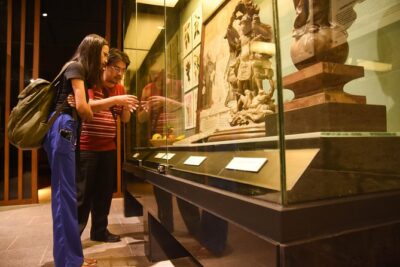
The Rizal Shrine takes about 30 minutes and is dedicated to José Rizal, the Filipino writer and national figure. The museum occupies the building where Rizal spent his final night, and it preserves the story of his last hours and his famous poem Mi último adiós, or My Last Farewell.
This is a more personal stop than Fort Santiago. The setting connects national history with one individual’s writing, imprisonment, and final days. The detail about the poem being hidden in an oil lamp gives the visit a memorable human element.
Thirty minutes is a sensible length for a guided visit. You can take in the main displays and listen to the explanation without the stop taking over the entire morning. I would pay close attention here, since the shrine provides an important Filipino viewpoint rather than presenting Manila only through Spanish colonial buildings.
Same islands, a completely different day on the water:
- Manila: Old & New 4-Hour City Tour
★ 4.5 · 458 reviews - Manila Food Tour: Introduction to Philippine Street Food
★ 5.0 · 417 reviews - Spectacular Manila to Tagaytay: Full-Day Sightseeing Tour
★ 5.0 · 349 reviews - Makati Nightlife: VIP Access to Clubs, Rooftops & Go-Go Bars
★ 4.9 · 278 reviews
Manila Cathedral and the religious center of Intramuros
The Manila Cathedral stop lasts about 15 minutes. It is identified as the Philippines’ first cathedral and basilica, dedicated to the Immaculate Conception, the country’s principal patroness.
The short visit gives you a quick look at one of Intramuros’ central religious landmarks. It also helps show how closely faith, government, and daily life were linked in the old colonial city.
Fifteen minutes does mean you should set your expectations correctly. This is an orientation visit, not a long architectural study or a quiet period for reflection. Depending on conditions at the cathedral, you may have only enough time to see the main interior and hear the key facts before moving on.
Seeing the walls and streets of Intramuros
Intramuros is more than a list of buildings. The walls, roads, courtyards, and remaining colonial structures form the setting that connects the separate stops.
This is where a guide can make a real difference. Without context, the district can feel like a series of old sites. With a clear explanation, you can understand why the walled city served as Manila’s political center during Spanish rule and how its role changed over time.
The tour is described as a walking tour with transportation, so you should expect time on foot as well as rides in the air-conditioned vehicle. Wear comfortable shoes. The exact amount of walking is not stated, but the itinerary requires movement between historic sites and some time outdoors.
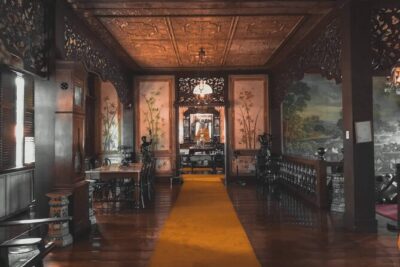
Casa Manila and recreated colonial life
Casa Manila takes about 30 minutes and offers a different kind of history lesson. Instead of focusing on fortifications, politics, or a national hero, it presents colonial domestic life.
The museum is a copy of an 1850s San Nicolas House once located on Calle Jaboneros. That distinction matters: you are looking at a reconstruction of a period home, not an entirely original residence in its former location.
I find this type of stop useful because it shifts attention from famous events to the way a colonial household was arranged. Rooms, furnishings, and household details can make social differences easier to picture than a timeline alone.
Casa Manila is also a welcome change of pace after the fort and shrine. The half-hour visit is long enough for a guided introduction, though anyone with a strong interest in interiors may want to return later for more time.
The horse-drawn carriage ride
A horse-drawn carriage ride is included when more than four tourists join the tour. Since the advertised group size is 12 people or fewer, this feature may apply on many departures, but you should confirm the arrangement if the carriage is important to you.
The ride adds a traditional touch and lets you see part of Intramuros from a different position. It also gives your feet a break during a warm morning.
There is one practical limitation. Commentary from the carriage driver can be difficult to hear, and it may not be easy to see everything the driver points toward. Treat the ride as a scenic and atmospheric segment, not as the main history lesson.
The guide-led portions are likely to be more useful for questions and detailed explanations. If you want to understand every stop, listen closely during the walking visits and use the carriage ride as a change of pace.
Guides who make the difference
Guide quality is central to this tour. Andre is repeatedly described as animated, funny, friendly, and deeply informed about Manila and the Philippines. Andrei is also noted for his enthusiasm, strong communication, and ability to make history entertaining. One review names Andrea as an especially effective guide.
The names vary, so you may not receive the same person on every departure. Still, the guiding style described by the experience is clear: expect a lively presentation rather than a dry sequence of dates.
One unusual touch is the use of pictures and a speaker with music connected to the stories. That can help set the mood and give visual or audio support to the explanation. A guide also treated the group to cheese and avocado ice cream on one particularly hot day, though you should not assume that refreshment is a standard inclusion.
The most praised feature is the guide’s ability to make the past feel connected to Filipino identity. That is especially useful if you are visiting from outside the Philippines and want more than a colonial viewpoint.
Transport, timing, and comfort
The experience lasts approximately four to five hours. That is long enough to cover the main landmarks without using your entire day, and the air-conditioned vehicle is valuable in Manila’s heat and humidity.
Pickup is offered, and the tour can handle most hotel-based plans if the location is covered. A previous hotel pickup in Taguig worked smoothly, but you should verify your own pickup point rather than assume every address is included.
The tour is listed as a small group of 12 people or fewer, while the additional information gives a maximum of 24 participants. I would treat 12 as the intended small-group size and 24 as the formal upper limit. If a quieter experience is important, ask the operator about the expected group size before booking.
Museum entrance fees, taxes, guide services, bottled water, and the carriage ride for groups larger than four are included. Personal snacks and souvenirs are not. Bring a little extra water or a snack if you need more than the supplied bottle, especially in hot weather.
Is $83.34 a fair price?
At $83.34 per person, this is not the cheapest way to see Intramuros. The value depends on how much you want handled for you.
You are paying for a guide, air-conditioned transport, pickup availability, museum entrances, taxes, water, and a carriage ride under the stated group condition. If you are staying outside central Manila, transport alone can make a guided package easier than arranging each ride separately.
The price also reflects the quality of the explanation. Intramuros is easy to visit without a guide, but the meaning of the fort, shrine, cathedral, and colonial house is much clearer when someone connects them to the wider story of Manila.
I would consider it good value for a first visit, a short stay, or a long layover. It is less compelling if you prefer to spend hours inside each museum, move at your own pace, or already know the history well.
Heat, preservation, and realistic expectations
Plan for high heat and humidity, especially in June and during outdoor portions of the route. Wear light clothing, comfortable shoes, and protection from the sun. The air-conditioned vehicle helps, but it cannot change the conditions once you are walking outside.
Intramuros is historically important, but parts of it are not perfectly maintained. You may find worn surfaces or areas that look in need of repair. That is not a reason to skip the district, but it is worth knowing if you expect every building and street to look polished.
The tour also depends on weather and a minimum number of participants. If poor weather forces cancellation, you are offered another date or a full refund. If the minimum is not met, you are offered another date or experience, or a full refund.
Free cancellation is available up to 24 hours before the start time. Changes or cancellations inside that window are not accepted for a refund, so keep the local cutoff in mind.
Who should book this half-day tour?
I would recommend it to you if you want a guided first look at Manila, especially if you have only one day or a long airport layover. One person used a 17-hour layover to visit Intramuros, and the 4 to 5 hour schedule fits that kind of plan, provided your airport timing and pickup details work.
It also suits anyone who finds history tours dull when they are too formal. The guides use humor, personal enthusiasm, photographs, music, and stories to keep the pace lively.
Families and mixed-age groups may appreciate the short stops and vehicle support. Most people can participate, according to the tour information, but you should be ready for outdoor walking and hot conditions.
I would be more cautious if you need a very quiet, slow visit or want detailed commentary during the carriage ride. You may also prefer an independent visit if you want to linger at Fort Santiago or Casa Manila beyond the scheduled times.
Should you book it?
Book this tour if you want the main Intramuros sights explained by an energetic local guide, with transport and entrance costs taken care of. Andre, Andrei, and Andrea are associated with the engaging style that makes this experience work, though your guide will depend on the departure.
The best reasons to book are the useful 400-year overview, the compact route, the small-group aim, and the comfort of an air-conditioned vehicle. The main compromises are the heat, the limited time at each site, the possible difficulty hearing the carriage driver, and the uneven upkeep around Intramuros.
For a first visit to Manila, I would choose it. It gives you a solid sense of the old city and leaves enough of the day for your own plans.
FAQ
How long does the Intramuros tour last?
The experience lasts approximately 4 to 5 hours.
What sites are included?
The route includes a Manila Bay waterfront stop, Fort Santiago, the Rizal Shrine, Manila Cathedral, Intramuros, and Casa Manila.
Are entrance fees included?
Yes. Museum entrance fees, all fees and taxes, and guide services are included.
Is transportation provided?
Yes. An air-conditioned vehicle is included, and pickup is offered. The stated meeting window is 7:30 to 8:30 AM on Saturdays and Sundays.
Is the horse-drawn carriage ride included?
Yes, when more than four tourists join the tour. The ride is listed as an included feature.
What is the cancellation policy?
You can cancel up to 24 hours before the experience begins for a full refund. Cancellations or changes made less than 24 hours before the start time are not accepted for a refund.
More Walking Tours in Manila
- Manila: Street Food and Drinks Walking Tour with Tastings
★ 4.8 · 114 reviews - Viva Old Manila: Intramuros Walking Tour
★ 4.9 · 104 reviews - Manila: Sightseeing and Food Walking Tour with Tastings
★ 4.7 · 68 reviews - Manila: Intramuros Walking Tour.
★ 4.9 · 63 reviews
Just added around Manila
- Underground River with Lunch★ 3.6 · 5 reviews
- Private Tour: Tagaytay Midlands & Taal Volcano Boat Ride★ 4.5 · 15 reviews
- 3 Days Private Tour in Banaue Ifugao visiting Batad Rice Terraces★ 3.5 · 3 reviews
- Tagaytay Adventure: Volcano Views, Countryside, Market & Cruise!★ 4.5 · 14 reviews
- Unforgettable Manila Fishing Village Day Excursion 2024★ 5.0 · 4 reviews
- Tagaytay + Hidden Valley Springs: A Scenic Escape w/ Transfers★ 4.0 · 4 reviews
- Tagaytay Day Tour sightseeing with Panoramic Taal volcano view★ 5.0 · 6 reviews
- Cultural Dinner and Show in Manila★ 5.0 · 4 reviews
Manila Intramuros Walking Tours, compared.

Intramuros, Manila: Historical Bamboo Bike Tour
Read our review →
Experience Intramuros with Bamboo Bicycle – Ecotours
Read our review →
Intramuros, Chinatown, and Old Manila Half-Day Tour
Read our review →
Manila Old and New: Sightseeing Tour Including Intramuros and Fort Santiago
Read our review →
Explore Intramuros: Introduction to Philippine History
Read our review →Browse the lists this tour appears in