
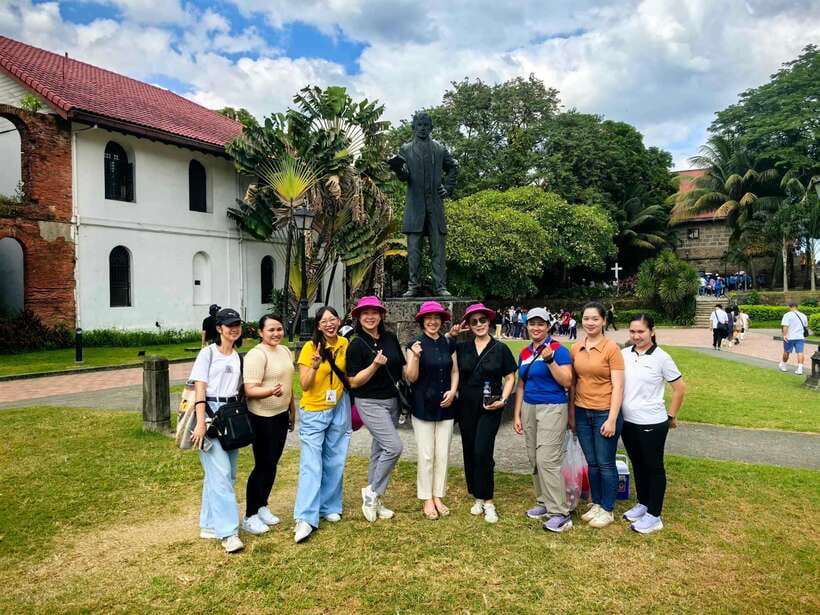
Reviewed · MANILA INTRAMUROS WALKING TOURS
Manila: Walled City Intramuros Walking Tour
Intramuros is where Manila’s past is easiest to read. Inside its old walls, Fort Santiago, grand churches, war memorials, and recreated colonial rooms sit within a compact area that you can explore on foot. This tour gives you the useful background that turns a collection of landmarks into a clear story about Spanish rule, Filipino resistance, José Rizal, and the destruction of Manila in 1945.
I like the strong mix of sites, especially Fort Santiago and Casa Manila, and I like that the walk includes a short kalesa or tranvia ride rather than relying on walking alone. Guide Andre has earned praise for making complicated history easy to follow and for handling mixed groups well. The main drawback is the uneven cobblestones, heat, and modest dress rules, which may make this difficult for people with limited mobility or anyone hoping for a fully relaxed outing.
Key points at a glance

- Fort Santiago and the Rizal Shrine: Begin with Manila’s most important fortress and the final days of national hero José Rizal.
- A clear wartime story: The Memorare Manila 1945 stop addresses the Battle of Manila and the city’s terrible destruction.
- Two very different churches and homes: See San Agustin Church, a UNESCO World Heritage site, then Casa Manila’s recreated 19th-century interiors.
- Walking plus a short ride: Expect about 5,000 steps, with a kalesa or tranvia ride adding a pleasant change of pace.
- Guide-led storytelling: Andre is praised for strong English, an easy manner, and answers that work for both local and international groups.
- Good short-stay value: For $31, you cover several paid sights, receive refreshments, and get a structured introduction to Old Manila.
Why Intramuros is the right place to start in Manila
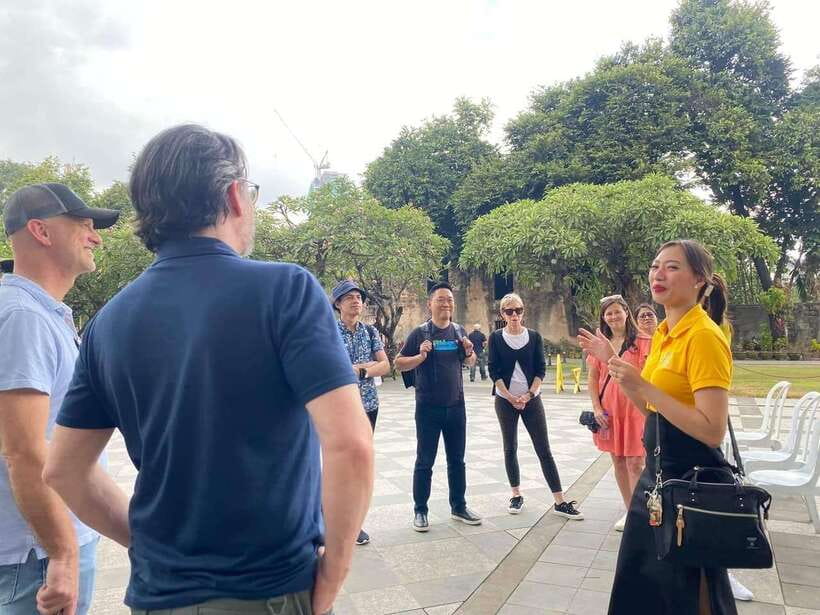
Intramuros means within the walls, and this old district remains the clearest place to understand Manila’s colonial center. The area brings together military defenses, churches, civic spaces, museums, and reminders of wartime loss. You do not need to cover great distances to move between very different chapters of Philippine history.
That compact layout is a real advantage if you have only a short time in Manila. Instead of arranging separate visits to Fort Santiago, Casa Manila, and the churches, you see them in one continuous route. The guide supplies the links between them, which matters here because Intramuros can otherwise feel like a series of attractive but disconnected stops.
The experience lasts about three to three and a half hours. It is a proper walking tour, not a bus tour with quick photo stops, so you should expect roughly 5,000 steps. The streets can be cobbled and uneven, and the weather may be hot or wet. Bring water, sun protection, and a small umbrella if the forecast calls for rain.
More Manila Intramuros Walking Tours in Manila
- Intramuros, Manila: Historical Bamboo Bike Tour
★ 4.8 · 583 reviews - Experience Intramuros with Bamboo Bicycle – Ecotours
★ 5.0 · 508 reviews - Manila: Intramuros, Chinatown, and Old Manila Half-Day Tour
★ 4.8 · 475 reviews
Fort Santiago sets the historical tone
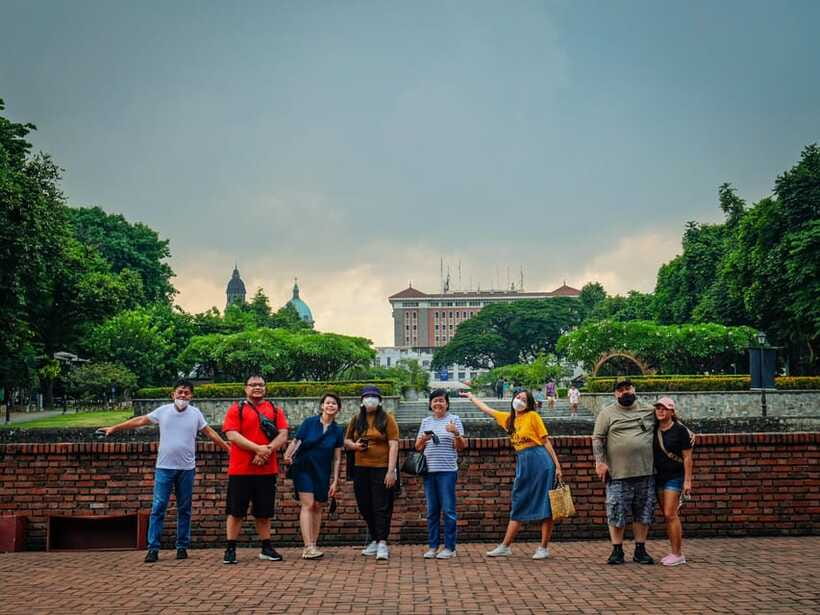
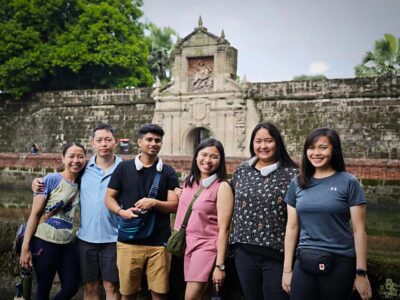
The tour begins at Fort Santiago, the most important military site in Intramuros. You walk through the grounds, see the area beside the river, and hear how the fortress fits into Manila’s colonial origins. The fort is more than an old wall with a gate. It gives you a sense of why this location mattered for defense, trade, and control of the city.
The first hour is devoted to the fort, so you have time to look around instead of rushing through. The guide’s role is especially useful here. A bare stone wall tells you very little on its own, while an explanation of the people and events connected to it gives the site weight.
The fort also introduces the harder side of the tour. Intramuros is attractive in places, but its story includes imprisonment, violence, occupation, and loss. You should not expect a light sightseeing walk with history kept in the background. The tone remains friendly and accessible, but the subject matter becomes serious at several points.
José Rizal’s final days at the shrine
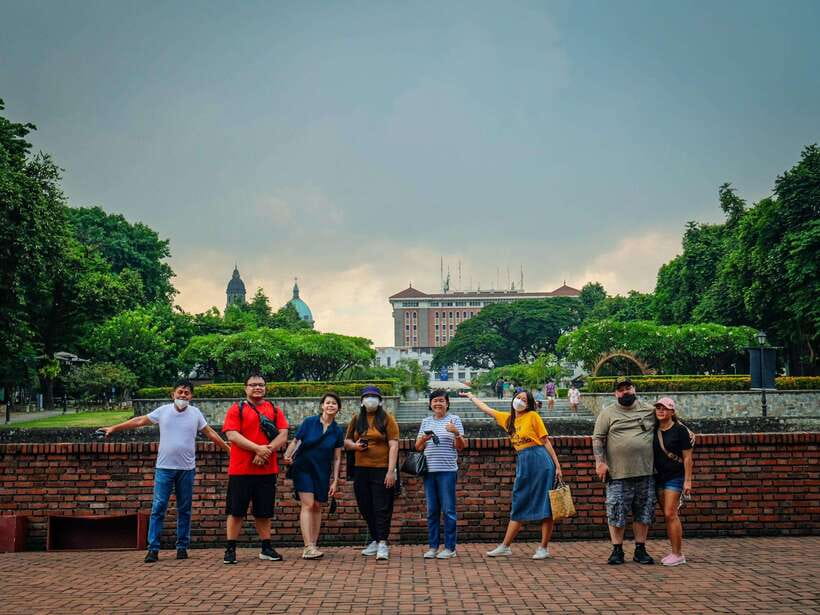
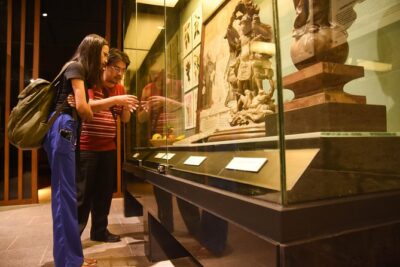
Inside Fort Santiago, the Rizal Shrine focuses on José Rizal, the Filipino writer and national hero. You visit the shrine and learn about his final days, making this one of the most important stops for understanding Filipino identity and resistance to Spanish rule.
The visit lasts about 30 minutes, including guided explanation, walking, and time for photographs. That is enough for an introduction without allowing the shrine to take over the whole morning. If you know little about Rizal before arriving, listen closely here, since his life connects the colonial story to the Philippines’ later national movement.
I also like the way this stop changes the scale of the tour. Fort Santiago speaks about armies and power. The shrine brings the story down to one person, his writing, his choices, and his final moments. That human focus helps keep the tour from becoming a list of dates.
Plaza Roma and Manila Cathedral

From Fort Santiago, the route continues through Intramuros toward Plaza Roma and Manila Cathedral. The cathedral visit lasts around 20 minutes and includes guided commentary, sightseeing, and some free time.
Manila Cathedral is one of the district’s most recognizable landmarks. The tour gives you enough time to appreciate its appearance and importance without pretending that a short visit can explain every detail. Dress matters here. Sleeveless tops, short shorts, and revealing clothing may prevent entry to churches and selected sites, so modest, comfortable clothing is the sensible choice.
This is also a good point to notice how the district functions as a living part of Manila, rather than only an outdoor museum. Religious buildings, public squares, and old streets sit close together, and the guide helps you read the district as a city center shaped by both faith and colonial government.
Same islands, a completely different day on the water:
- Manila: Old & New 4-Hour City Tour
★ 4.5 · 458 reviews - Manila Food Tour: Introduction to Philippine Street Food
★ 5.0 · 417 reviews - Spectacular Manila to Tagaytay: Full-Day Sightseeing Tour
★ 5.0 · 349 reviews - Makati Nightlife: VIP Access to Clubs, Rooftops & Go-Go Bars
★ 4.9 · 278 reviews
A short kalesa or tranvia ride
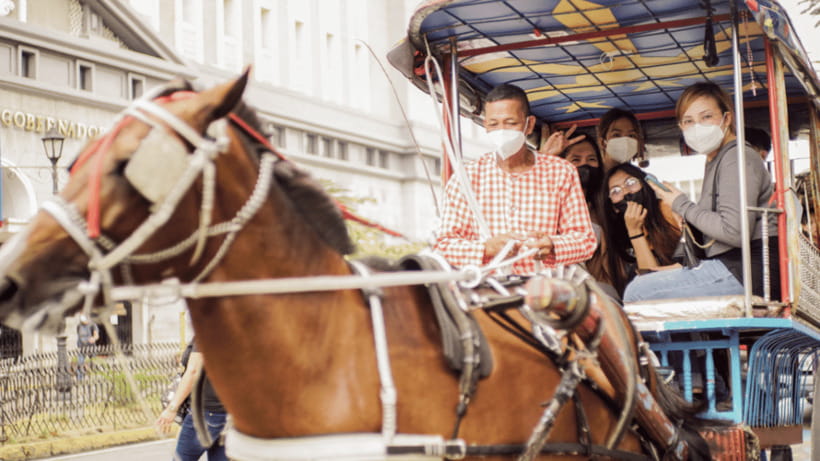
The itinerary includes a 20-minute horse-drawn carriage ride through Intramuros, described in the inclusions as a kalesa or tranvia ride. This gives your feet a break and lets you see the walled district at a slower pace.
It is not a replacement for walking. The most meaningful explanations take place at the main sites, where you can stop and ask questions. Still, the ride adds variety to a route that involves several hours on stone streets. It also gives you a little time to take in the walls and streets without concentrating on every step.
The exact vehicle may depend on the option booked and local arrangements. Check the details attached to your reservation if the type of ride matters to you. Either way, it is a useful addition to a walking tour and one reason the $31 price feels more reasonable than a simple guide-only stroll.
Remembering the Battle of Manila
The stop at Memorare Manila 1945 gives the tour its most sobering section. Here, the guide discusses the Battle of Manila and the severe destruction suffered by the city during World War II.
This part is valuable because it corrects an easy misunderstanding about Intramuros. The old walls and churches can make the district seem largely untouched, but Manila was badly damaged in 1945, and many people died. The memorial helps you understand that the city’s present appearance is tied not only to its colonial past, but also to wartime ruin and rebuilding.
The guided visit lasts about 20 minutes. That is long enough to provide context without turning the entire experience into a war-history tour. You may find the transition from scenic streets to wartime tragedy abrupt, but that contrast is part of what makes the visit honest. Old Manila is not only about handsome architecture. It is also about what was lost.
San Agustin Church, Intramuros’ great survivor
San Agustin Church is one of the tour’s major architectural stops. The church is a UNESCO World Heritage site and is known for its long-standing importance and Baroque design.
You have around 15 minutes for a visit, guided explanation, sightseeing, and photographs. That is a fairly short window, so I would treat this as an introduction rather than a full architectural study. Even so, the church adds a strong visual counterpoint to Fort Santiago. The fort represents military power, while San Agustin shows the reach of religion and Spanish colonial culture.
Bring the same modest clothing you would wear to Manila Cathedral. The tour’s dress guidance is practical, not fussy. Comfortable clothes can still be respectful, and covered shoulders and suitable shorts or trousers will save you trouble at the entrance.
Casa Manila recreates colonial domestic life

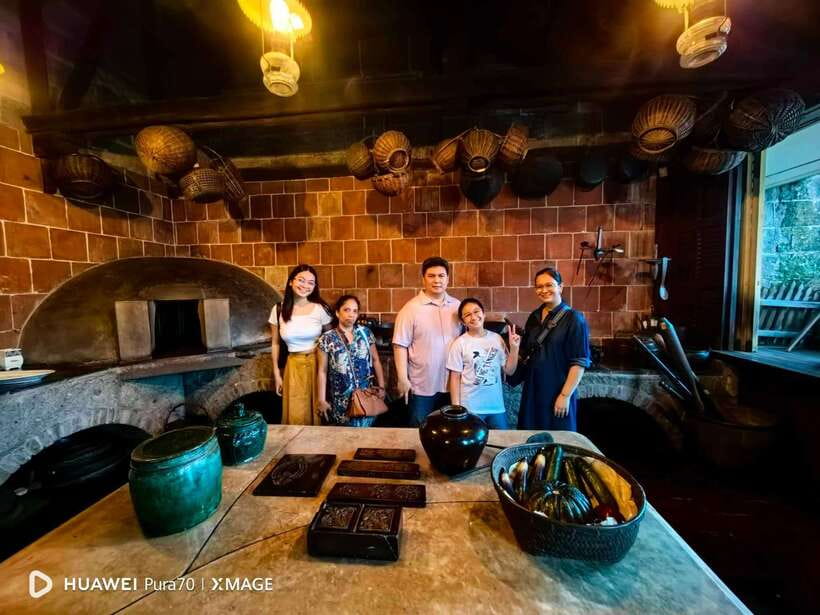
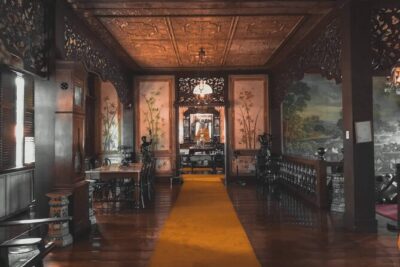
The tour ends at Casa Manila Museum, where you step inside a recreated 19th-century Filipino home. This is one of the best stops for understanding how colonial life worked away from fortifications and grand churches.
Instead of focusing on battles or famous figures, Casa Manila shows household spaces, furnishings, family life, and social customs. You get a more ordinary view of the period, though it is important to remember that a recreated home cannot represent every Filipino family or every level of society. It offers a picture of one social setting during the Spanish colonial period.
The guided visit lasts about 30 minutes, and the tour finishes here. Ending at the museum works well because it leaves you with daily life rather than another military or religious site. By this point, the route has moved from the city’s defenses to an individual hero, a cathedral, wartime remembrance, a major church, and finally the home.
What the guide adds to the experience
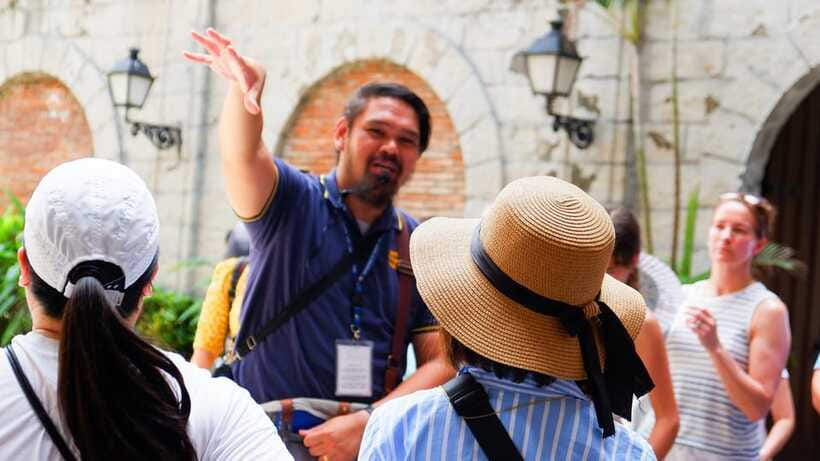
The guide can make or break a history walk, and Andre receives especially strong praise for his English, organization, enthusiasm for Manila, and storytelling. He has handled groups made up of locals and people from several countries, as well as a group that included Japanese students practicing English.
That detail matters if you are unsure whether a history tour will feel too formal or difficult to follow. The presentation is described as easy to understand, with enough room for questions. One group even ended with applause, which suggests the guide created a friendly atmosphere rather than simply reciting facts.
The operator is Don’t Skip Manila Walking Tours. Most of the available feedback is very positive, but there was also one serious complaint from a customer whose booking was not recognized by the operator. I would confirm the meeting point and booking details before setting out, especially since the starting location can vary by option. This is a small but useful precaution.
Is $31 a fair price?
At $31 per person, the tour is priced above a bare walking tour but includes several useful extras. The fee covers the guide, walking route, Fort Santiago entry, Rizal Shrine entry, Casa Manila entry, refreshments, and the kalesa or tranvia ride.
That makes the value strongest for a first visit or a short stay. You cover the main paid sights in one outing and avoid spending time working out how to connect them. The price is less attractive if you prefer to walk alone, spend an hour inside each museum, or choose your own pace at every stop.
Refreshments are included, and one account specifically mentions avocado ice cream as part of the experience. Treat that as a pleasant possibility rather than the central reason to book. The real value comes from the guide, entry tickets, and the range of sites covered in a half-day.
Who should book this walk?
I would recommend it to first-time visitors who want a firm introduction to Manila’s old center. It also suits you if you enjoy history but prefer plain explanations and a social atmosphere over an academic lecture.
The tour can work well for families with older children, English-speaking groups, and people visiting Manila for only a day or two. The mixed international and local groups described in the feedback suggest that the format is comfortable for different backgrounds and levels of local knowledge.
You should think twice if you have limited mobility, respiratory problems, or serious difficulty with uneven ground. The activity is not suitable for wheelchair users, people with visual impairments, or anyone over 95, according to the stated restrictions. It also may not suit you if heat, rain, or several hours of walking quickly become tiring.
The tour operates rain or shine. Wear solid walking shoes, dress modestly, and carry water. Pets, smoking, vaping, alcohol, drugs, professional cameras, loud behavior, and indoor smoking are not allowed.
Final verdict: a strong first look at Old Manila
Book this tour if you want the main story of Intramuros in one well-planned outing. Fort Santiago, the Rizal Shrine, the 1945 memorial, San Agustin Church, and Casa Manila offer enough variety to keep the walk moving, while the short carriage ride and refreshments make the pace easier.
I would not book it as a substitute for several slow museum visits. The schedule gives you an informed overview, not hours of private study. But for $31, the route offers a useful balance of history, architecture, memory, and everyday life, with guide Andre adding the personal touch that can turn old stones into a story you remember.
FAQ
Where does the Intramuros walking tour start?
There are two possible starting options, and the meeting point may vary depending on the option you book. One stated location is HXVC+8F5, United Philippine Lines. Check your booking details before departure.
Where does the tour finish?
The tour finishes at Casa Manila.
How long does the tour last?
The experience lasts approximately 3 to 3.5 hours.
What language is the tour conducted in?
The live tour guide speaks English.
Is Fort Santiago included?
Yes. The tour includes a guided visit to Fort Santiago and the Fort Santiago entry ticket.
Can I visit the Rizal Shrine during the tour?
Yes. The route includes the Rizal Shrine at Fort Santiago, with a guided visit and entry ticket included.
Does the tour visit San Agustin Church?
Yes. You visit San Agustin Church, a UNESCO World Heritage site, for guided sightseeing and photographs.
Is Casa Manila Museum included?
Yes. Casa Manila Museum is included, and the tour finishes there. The visit lasts about 30 minutes.
Does the tour include a carriage or tram ride?
Yes. A kalesa or tranvia ride is included. The route information describes this as a 20-minute horse-drawn carriage ride through Intramuros.
How much walking is involved?
The tour covers approximately 5,000 steps. You will walk on cobblestone streets and uneven surfaces, so comfortable shoes are strongly recommended.
More Walking Tours in Manila
- Manila: Street Food and Drinks Walking Tour with Tastings
★ 4.8 · 114 reviews - Viva Old Manila: Intramuros Walking Tour
★ 4.9 · 104 reviews - Manila: Sightseeing and Food Walking Tour with Tastings
★ 4.7 · 68 reviews - Manila: Intramuros Walking Tour.
★ 4.9 · 63 reviews
Just added around Manila
- Underground River with Lunch★ 3.6 · 5 reviews
- Private Tour: Tagaytay Midlands & Taal Volcano Boat Ride★ 4.5 · 15 reviews
- 3 Days Private Tour in Banaue Ifugao visiting Batad Rice Terraces★ 3.5 · 3 reviews
- Tagaytay Adventure: Volcano Views, Countryside, Market & Cruise!★ 4.5 · 14 reviews
- Tagaytay + Hidden Valley Springs: A Scenic Escape w/ Transfers★ 4.0 · 4 reviews
- Tagaytay Day Tour sightseeing with Panoramic Taal volcano view★ 5.0 · 6 reviews
- Unforgettable Manila Fishing Village Day Excursion 2024★ 5.0 · 4 reviews
- Cultural Dinner and Show in Manila★ 5.0 · 4 reviews
Manila Intramuros Walking Tours, compared.

Intramuros, Manila: Historical Bamboo Bike Tour
Read our review →
Experience Intramuros with Bamboo Bicycle – Ecotours
Read our review →
Intramuros, Chinatown, and Old Manila Half-Day Tour
Read our review →
Manila Old and New: Sightseeing Tour Including Intramuros and Fort Santiago
Read our review →
Explore Intramuros: Introduction to Philippine History
Read our review →Browse the lists this tour appears in