
Reviewed · MANILA STREET FOOD TOURS
Manila: Guided Food Tour of Binondo with Tastings
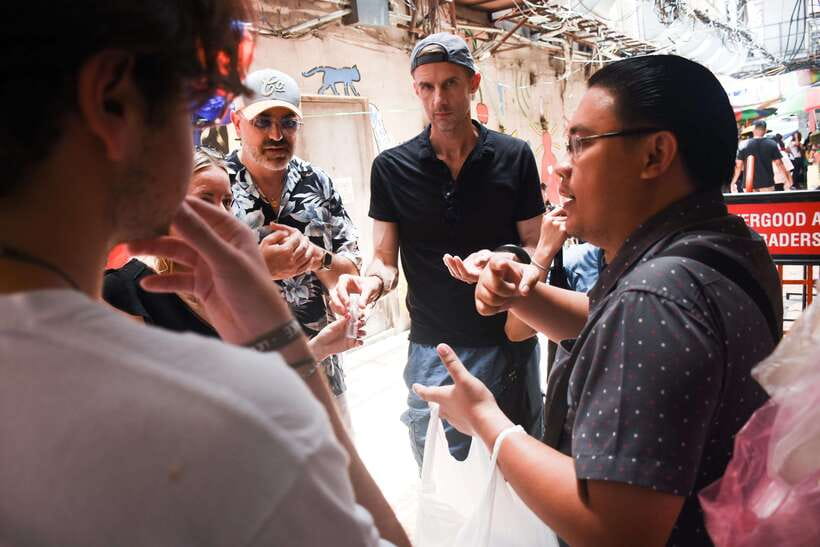
Binondo is best understood one bite at a time. This three-hour walk begins at Binondo Church and threads through Manila’s oldest Chinatown, where small eateries, bakery counters, and narrow lanes reveal Filipino-Chinese food traditions that are easy to miss on your own.
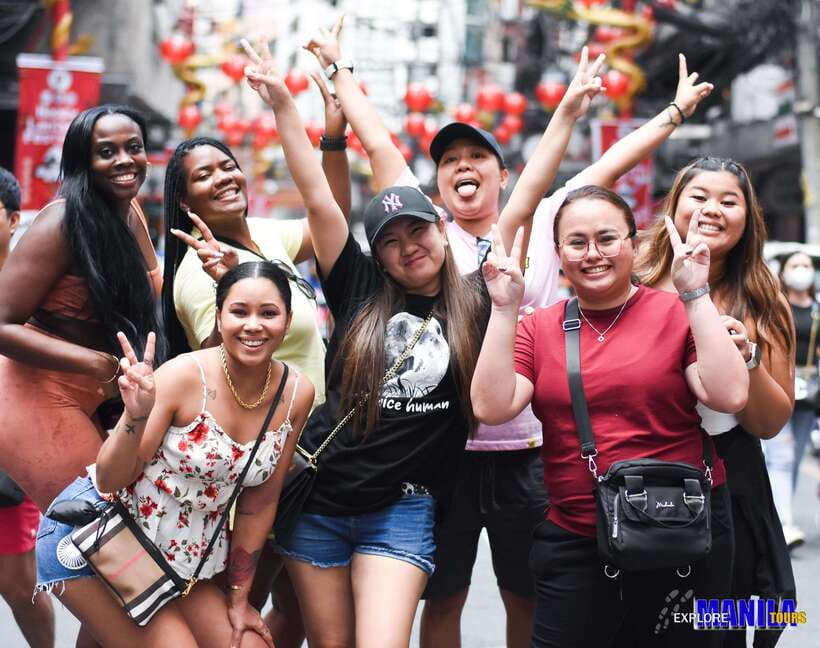
I like the generous tastings, which include lumpia, dumplings, mami, dimsum, and hopia. I also like the guides’ local knowledge: Chloe, Nel, Jian, and Juan are all named as warm, informative hosts who add stories about Chinatown and useful Manila tips.
The main catch is simple: come very hungry. The portions can be large, and one stop featuring a sweet vegetable wrap may not appeal to every palate. Vegans and vegetarians should skip this tour, and the walk is not suitable for wheelchair users.
Key points at a glance
- Binondo Church starting point: Meet near the candle area in the church lobby, then set off on foot through Chinatown.
- Six food stops: Taste fresh lumpia, handmade dumplings, mami, classic dimsum, and several kinds of hopia.
- A real walking route: Carvajal Street and small alleys are part of the experience, so comfortable shoes matter.
- Friendly English-speaking guides: Chloe, Nel, Jian, and Juan are named guides associated with warm hosting and strong local insight.
- Plenty of food for $60: The quantity is generous enough to replace breakfast or lunch, though some people may find it more than they can finish.
- Practical limits: The tour runs rain or shine, excludes hotel transfers, and does not accept vegans or vegetarians.
Starting at Binondo Church
Your meeting point is the lobby of Binondo Church, near the candle area. This is a useful landmark in a busy part of Manila, but give yourself enough time to reach it. You can use Grab, the local ride-hailing app, to get there.
The church is more than a convenient meeting point. It gives the tour a clear sense of place from the start, linking the streets ahead with the long Filipino-Chinese presence in Manila. Your guide can provide the wider setting before the food begins, which helps the dishes make more sense than they would at an isolated restaurant.
The tour ends back at the church, so you do not need to find your way to a distant neighborhood afterward. That is handy if you are still learning Manila’s streets or have plans elsewhere in the city.
This is a walking tour, not a restaurant crawl by car. Wear shoes that can handle three hours on foot, and bring only what you need. Baby strollers, luggage, and large bags are not allowed, a sensible rule for narrow lanes and crowded food counters.
More Manila Street Food Tours in Manila
- Manila: Intramuros, Chinatown, and Old Manila Half-Day Tour
★ 4.8 · 475 reviews - Manila Food Tour: Introduction to Philippine Street Food
★ 5.0 · 417 reviews - Manila Food Tour: Explore World’s Oldest Chinatown
★ 5.0 · 158 reviews
Carvajal Street and the first taste
The first food stop takes you toward Carvajal Street, where the smell of fresh lumpia sets the tone. Local vendors prepare these spring rolls by hand, and the dish offers a good introduction to the Filipino side of Filipino-Chinese cooking.
Fresh lumpia is not the same as a crisp fried spring roll. The wrapper and filling give you a softer, lighter bite, with the preparation itself showing how everyday food traditions survive in a street setting. Your guide can explain what you are eating and how it fits into local food culture.
This first stop may be the least universally loved part of the route. One account found the sweet vegetable wrap less appealing than the other dishes, so do not expect every tasting to become a favorite. The advantage of a guided tour is that you can try a small portion without committing to a full meal.
Handmade dumplings in the alleys
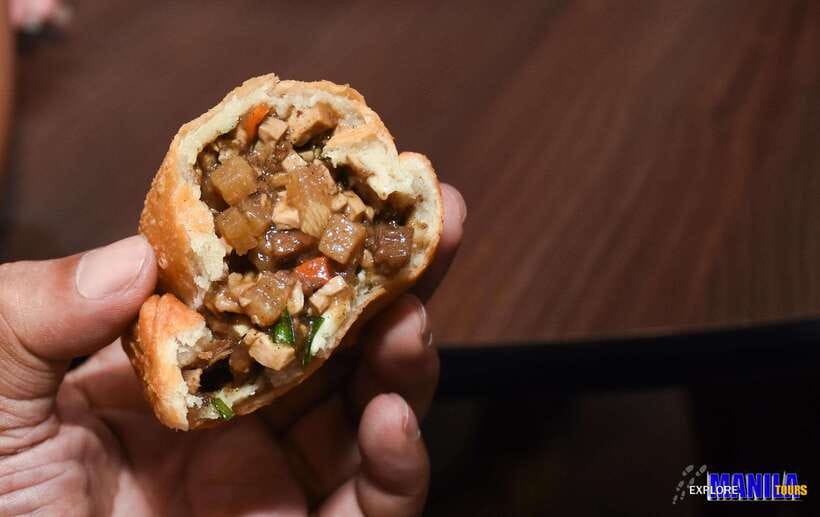
The dumpling stop is one of the strongest reasons to book this experience. You are taken to a local place where dumpling making is done by hand, giving the visit a more personal feel than ordering a plate from a standard shopping-center restaurant.
The appeal is not only the flavor. You get to see how much care goes into a familiar food, from the dough to the filling and final cooking. Several guides, including Nel and Chloe, have been singled out for making the dumpling stop a highlight.
I would pay attention here. Dumplings are easy to find across Asia, but this tour places them inside Binondo’s Filipino-Chinese setting. That connection is the point. You are not just ticking off a familiar dish. You are tasting how Chinese cooking has been adapted to local habits and tastes.
The portions across the tour are described as more than ample. If you are visiting with a partner, you may want to share some pieces so you can keep room for later stops. The guide can help you pace yourself, and there is no pressure to finish everything.
Mami, the comfort-food course
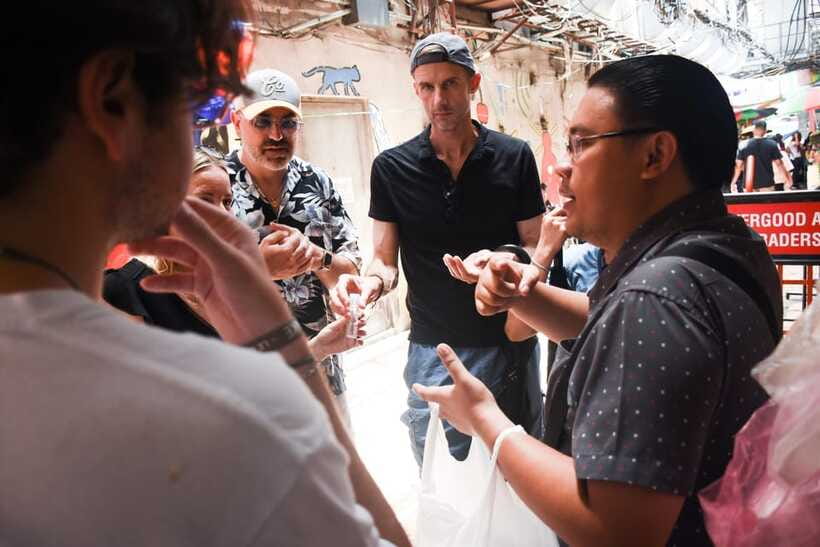
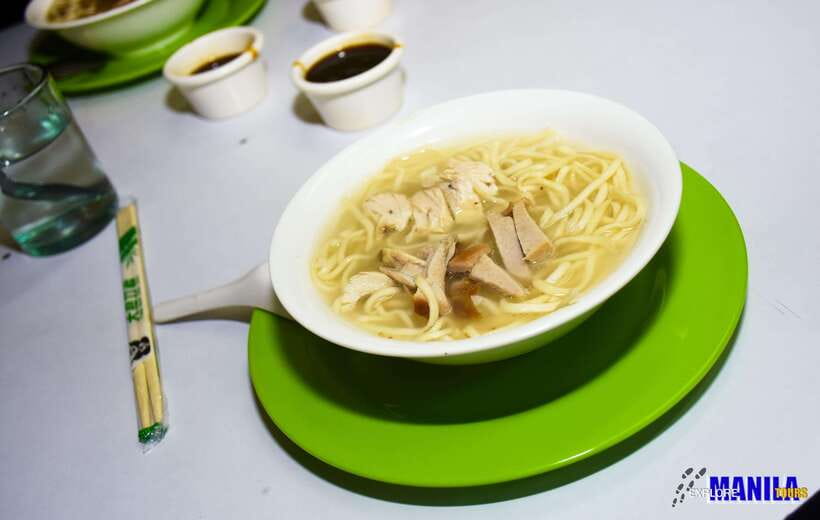
Next comes mami, a noodle soup with an important place in Filipino comfort food. After the first snacks and dumplings, a warm bowl provides a change of pace and shows how Chinese-style noodles became part of ordinary Filipino eating.
Mami is the kind of dish that works best when you understand its role. It is not presented as a fancy course. It is familiar, filling food with a long connection to local life, and the guide’s explanation gives the bowl more meaning.
This is also where the generous serving sizes can catch up with you. If you skipped breakfast, as some people sensibly do before this tour, you will be glad of the food. If you have already eaten, three hours of tastings may feel like a full day’s intake. Plan your schedule around the meal rather than treating this as a light snack walk.
Same islands, a completely different day on the water:
- Intramuros, Manila: Historical Bamboo Bike Tour
★ 4.8 · 583 reviews - Experience Intramuros with Bamboo Bicycle – Ecotours
★ 5.0 · 508 reviews - Manila: Old & New 4-Hour City Tour
★ 4.5 · 458 reviews - Spectacular Manila to Tagaytay: Full-Day Sightseeing Tour
★ 5.0 · 349 reviews
Classic dimsum at a local favorite
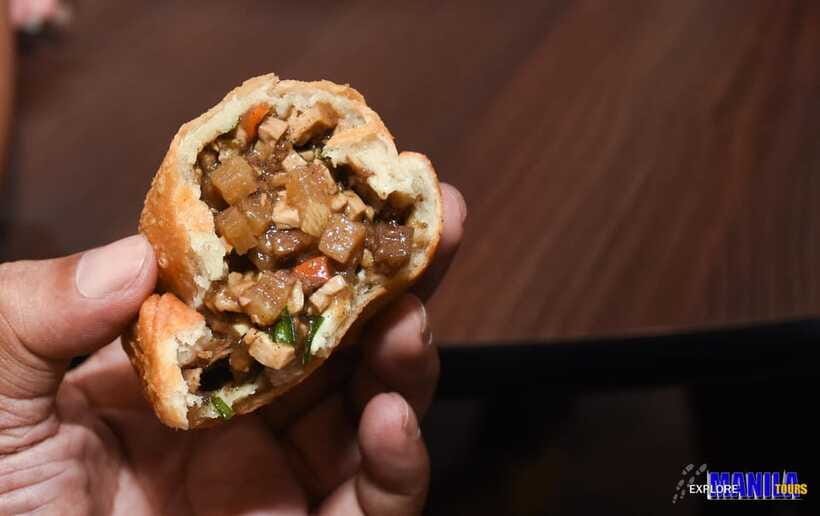
The route then reaches a destination known for classic dimsum. This stop provides a different texture and rhythm from the earlier street foods, with small savory dishes designed to be shared and sampled.
One particularly strong food memory from the tour is the dimsum. The experience includes a stop described as serving some of the best dimsum tasted on the route, and that makes this part worth saving room for. You can expect the guide to explain what is on the table, rather than leaving you to guess at unfamiliar items.
The value here comes from variety. For $60, you are not paying for one large entrée. You are paying for a sequence of tastings, the walking route, an English-speaking guide, drinks, and the chance to enter places you might not choose on your own.
Still, the cost will feel high if you only want a single meal. The tour makes sense for someone who wants food plus context, especially on a first Manila visit. If your main aim is the cheapest possible lunch, ordering independently will likely be better value.
Ending with hopia at a historic bakery

The final food stop is a bakery known for hopia. These flaky pastries come in several flavors and offer a sweet finish to the savory dishes earlier in the walk.
Hopia is especially useful as a closing course because it can connect the food to Filipino-Chinese family traditions. The pastry is compact, portable, and easy to associate with bakery visits and gifts. It also gives you a final chance to compare flavors after a morning or afternoon of savory food.
There is one practical point to keep in mind. The hopia may be intended partly as a take-home dessert, but not everyone will want another item after a very full tour. If you are staying in a hotel without much room for food, or if you are flying soon, decide how much you can realistically carry and eat.
This stop is less about spectacle than the dumplings or street vendors. Its value lies in showing another side of the neighborhood’s food culture, one that extends beyond hot dishes and into bakery traditions.
What the guides add to the walk
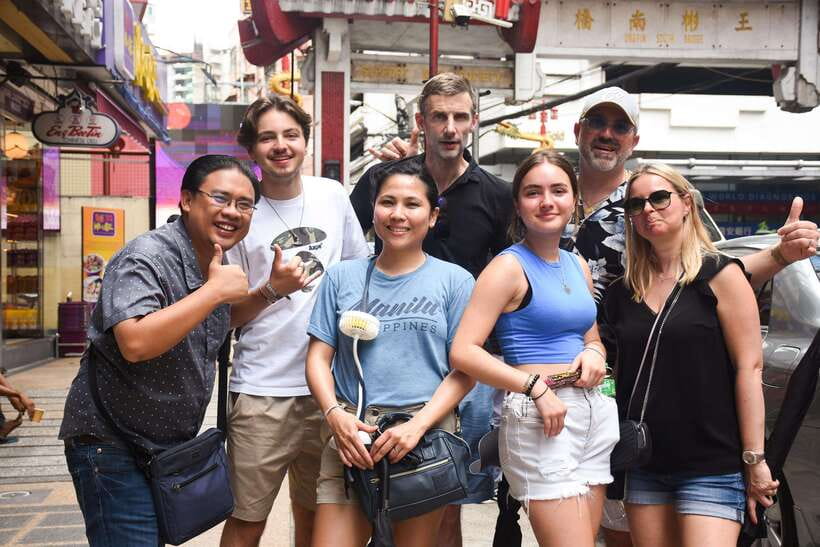
A food tour succeeds or fails on the guide. Here, the named guides include Chloe, Nel, Jian, and Juan, and the strongest pattern is their personal attention.
Chloe is described as fun, well informed about Chinatown’s past, and helpful with wider Manila and island planning. Nel is praised for making solo participants feel welcome, keeping the mood friendly, and helping people feel at ease in unfamiliar streets. Jian is associated with cultural stories, food facts, and an easygoing approach. Juan is noted for explaining the origins and growth of the Chinese community in the Philippines.
You may not get the same guide on every departure, so the tone can vary. The useful point is that the experience is built around a person, not an audio recording or a fixed script. That gives you room to ask questions and learn how the dishes connect to the neighborhood.
The route also seems well suited to solo visitors and couples. A solo participant can expect a more social setting, while couples can share the larger portions. Groups of four have also found the format comfortable, though the small food stops may require everyone to stay close.
How much food do you really get?
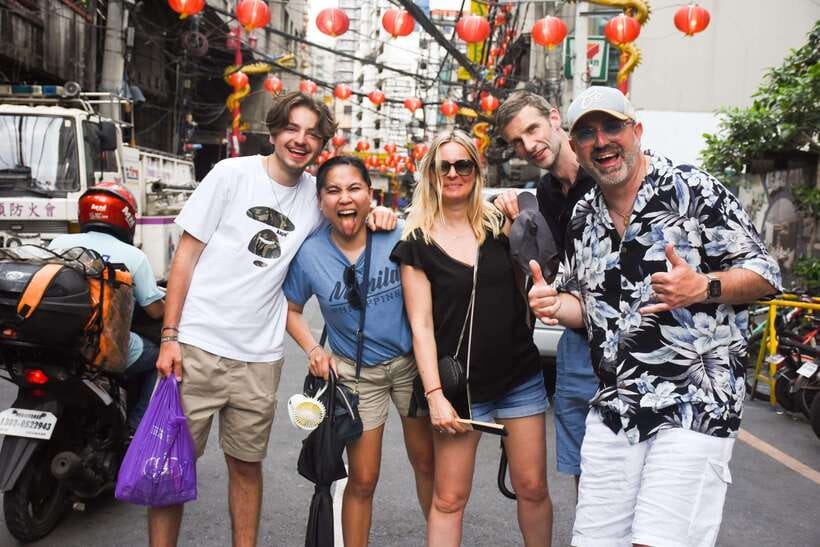
The best advice is to skip or limit breakfast. This is not a token sample tour with one bite at each stop. The food is described as varied, tasty, and plentiful, with enough for some people to share because they become full before the last course.
A sensible eating plan looks like this:
- Eat a light meal before the tour only if you need medication or cannot go long without food.
- Share dumplings and larger plates when possible.
- Save room for mami, dimsum, and hopia rather than filling up at the first stop.
- Bring water if you prefer to manage your own drinks, though food and drinks from the itinerary are included.
The tour is not designed for dietary flexibility. It is explicitly unsuitable for vegans and vegetarians, and no special substitutions are promised. If you avoid meat or fish, ask before booking rather than hoping the guide can adjust the menu.
Price, pace, and practical value
At $60 per person, this is a mid-priced Manila food experience. The price includes the walking tour, English-speaking guide, all listed food, and drinks. It does not include hotel pickup, hotel drop-off, or souvenirs.
I see the value in the combination. You get six food stops, a guided route through narrow streets, background on Filipino-Chinese cooking, and the convenience of having someone choose the stops and explain the dishes. The cost is easier to justify if you are new to Binondo or want a structured introduction rather than spending time guessing where to eat.
The three-hour length is also useful. It is long enough to cover several styles of food without taking a full day from your Manila plans. Some outings have run closer to four hours according to individual descriptions, so leave a little extra space if you have a tight appointment afterward.
The tour operates rain or shine. Manila weather can change quickly, so bring suitable protection and accept that the streets may be wet. Large bags and strollers are not allowed, and the route is not suitable for wheelchair users.
Cancellation is flexible: you can cancel up to 24 hours before the start for a full refund. You can also reserve now and pay later, which helps if your Manila schedule is still shifting.
Who should book this Binondo food tour?
I would recommend it to first-time visitors who want an approachable introduction to Chinatown without spending hours researching restaurants. It also suits solo visitors who like meeting people, couples who want to share many dishes, and curious eaters who enjoy learning the story behind familiar foods.
It is a good choice if you prefer local eateries and small streets over polished dining rooms. The route includes places you might not find by simply searching for the most famous restaurant nearby.
You should think twice if you are a very light eater, have strict dietary needs, dislike walking in all weather, or need step-free access. The quantity is a plus for some people and a drawback for others. The tour’s purpose is broad sampling, not a quiet meal with complete control over every dish.
Should you book it?
Book this tour if you want to eat your way through Binondo with a guide who can connect food, people, and place. The dumplings, dimsum, mami, and hopia provide a strong range of tastes, while the Carvajal Street stop and small alleys keep the walk grounded in daily Chinatown life.
Skip it if $60 feels too much for a meal, or if you need vegetarian, vegan, or wheelchair-friendly arrangements. For everyone else, the generous food and friendly guiding make this a worthwhile three-hour introduction to Filipino-Chinese cooking. Just arrive at Binondo Church hungry, in comfortable shoes, and without your suitcase.
FAQ
Where does the Binondo food tour start?
The tour starts at Binondo Church. Meet in the church lobby near the candles area.
Where does the tour finish?
The walk returns to Binondo Church at the end.
How long does the tour last?
The stated duration is three hours. You should leave some extra time in your schedule because individual outings may take longer.
What food is included?
The tastings include fresh lumpia, handmade dumplings, mami, classic dimsum, and hopia from a local bakery. Food and drinks listed in the itinerary are included.
Is the guide English-speaking?
Yes. The tour includes a live English-speaking guide. Named guides associated with the experience include Chloe, Nel, Jian, and Juan.
Is hotel pickup included?
No. Hotel pickup and drop-off are not included. You can use the Grab App to reach the meeting point.
Should I bring anything?
Bring comfortable shoes. The tour is on foot and takes place rain or shine.
Can I bring luggage or a baby stroller?
No. Baby strollers, luggage, and large bags are not allowed.
Is the tour suitable for vegans, vegetarians, or wheelchair users?
No. The tour is not suitable for vegans, vegetarians, or wheelchair users.
More Food in Manila
- Makati Street Food Tour Experience
★ 5.0 · 20 reviews - ⭐ Manila Street Food Tour in the Downtown, Eat and Drink⭐
★ 4.6 · 19 reviews - Makati: Street Food Experience with a Local Guide
★ 4.6 · 14 reviews - Skip the Line: Hike Eat Swim at Mount Purro Nature Reserve Ticket
★ 5.0 · 13 reviews
More Food & Drink in Manila
- Manila: Street Food and Drinks Walking Tour with Tastings
★ 4.8 · 114 reviews - Manila: Sightseeing and Food Walking Tour with Tastings
★ 4.7 · 68 reviews - Manila’s Culinary Expedition: The Ultimate Food and Market Tour
★ 5.0 · 42 reviews - Manila Street food and Night Market Tour
★ 4.7 · 21 reviews
Just added around Manila
- Underground River with Lunch★ 3.6 · 5 reviews
- Tagaytay Adventure: Volcano Views, Countryside, Market & Cruise!★ 4.5 · 14 reviews
- Private Tour: Tagaytay Midlands & Taal Volcano Boat Ride★ 4.5 · 15 reviews
- 3 Days Private Tour in Banaue Ifugao visiting Batad Rice Terraces★ 3.5 · 3 reviews
- Tagaytay + Hidden Valley Springs: A Scenic Escape w/ Transfers★ 4.0 · 4 reviews
- Tagaytay Day Tour sightseeing with Panoramic Taal volcano view★ 5.0 · 6 reviews
- Unforgettable Manila Fishing Village Day Excursion 2024★ 5.0 · 4 reviews
- Cultural Dinner and Show in Manila★ 5.0 · 4 reviews
Manila Street Food Tours, compared.

Intramuros, Chinatown, and Old Manila Half-Day Tour
Read our review →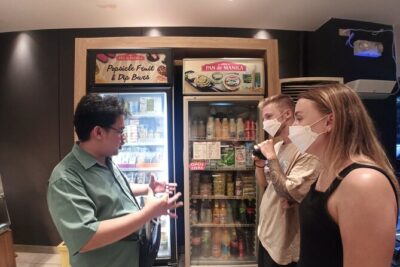
Manila Food Tour: Introduction to Philippine Street Food
Read our review →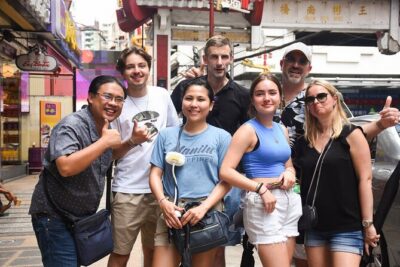
Manila Food Tour: Explore World’s Oldest Chinatown
Read our review →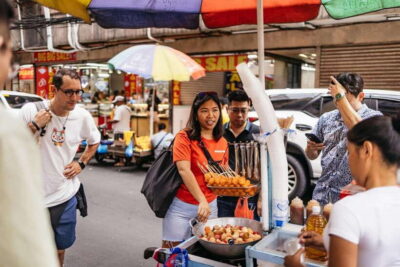
Street Food and Drinks Walking Tour with Tastings
Read our review →Intramuros, Chinatown, and Old Manila Half-Day Tour
Read our review →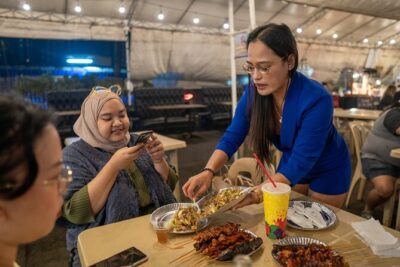
Makati Street Food Experience end with a Rooftop Bar
Read our review →
Intramuros & Chinatown Manila Tour – Walking, Food & Culture
Read our review →
Browse the lists this tour appears in