
Reviewed · MANILA STREET FOOD TOURS
Manila Chinatown Food Tour with Local Guide
Binondo gives you Manila through its food. In two hours, you walk among old buildings, market streets, Chinese shops, and small eateries while tasting the dishes that make this district so memorable. Guide Mari is known for her energy and care, while Tessie brings a calm, clear explanation of the area’s past.
I like the mix of food and local history, rather than a meal with no context. I also like the local transportation ride, including the memorable motorbike with sidecar described as a Lamborghini with air-conditioning. The drawback is the pace: one account describes the walking as very fast, which helps in the heat but may challenge anyone who needs frequent rests.
Key points at a glance
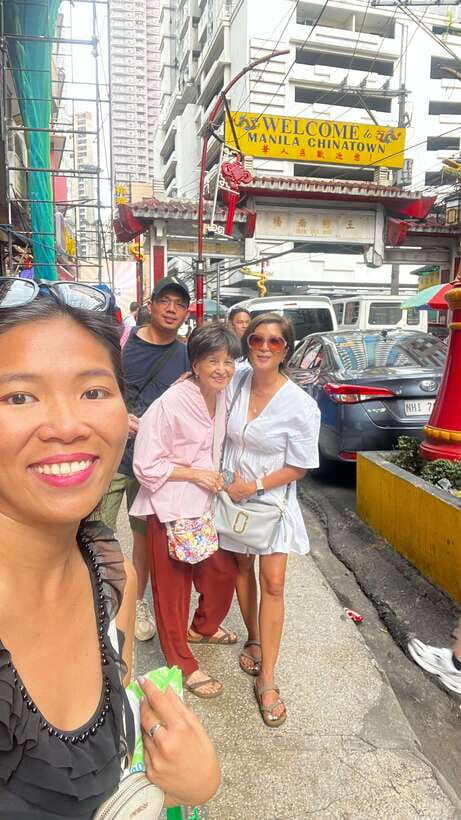
- Eight food stops are possible: One route included eight restaurants, so arrive with a serious appetite.
- Binondo, Ongpin, and Quiapo: The walk covers more than one Manila neighborhood and links food with local street life.
- Mari or Tessie may guide you: The guide assignment can vary, but English and Tagalog are offered.
- Food comes from local shops: Expect Chinese street food and Filipino-Chinese flavors rather than a formal restaurant meal.
- A local ride is included: The experience may use a motorbike taxi with a sidecar, adding a practical Manila touch.
- The tour runs rain or shine: Wear suitable shoes and be ready for heat, traffic, and changing weather.
Why Binondo makes such a good food walk
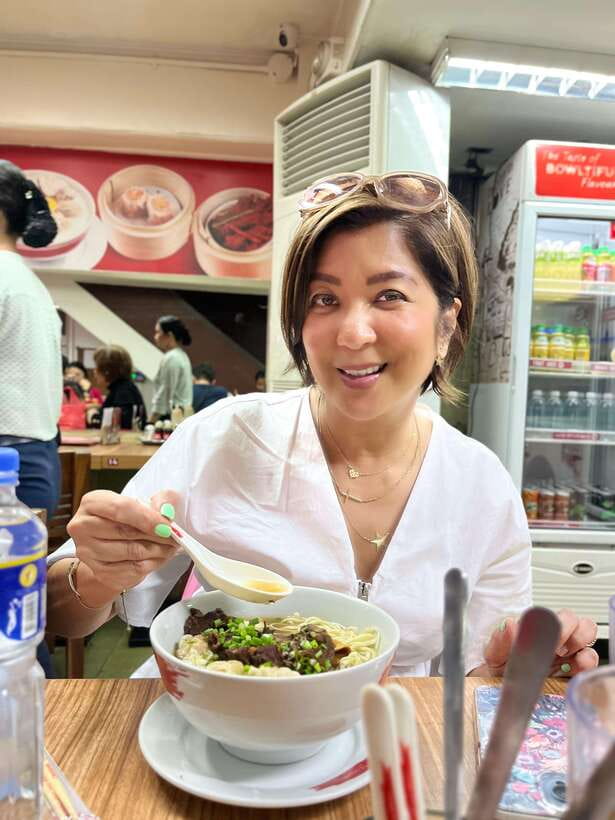
Binondo is Manila’s Chinatown, and it is widely known as the oldest Chinatown in the world. That claim matters less than what you can see on the ground: Chinese influence is part of daily Manila life here, not a staged display made for sightseeing.
The district has narrow streets, old structures, busy markets, Chinese businesses, and food stalls packed into a small area. You may hear English, Tagalog, and Chinese languages around you. The result is a place where Filipino and Chinese traditions meet in ordinary shops and family-run food businesses.
A guide helps you read this setting. Without one, you can still eat well, but you may miss why a street matters, how Chinese culture shaped Manila, or which small shop is worth your limited time. The experience is strongest when Mari or Tessie connects the food in front of you with the neighborhood around it.
The tour is not built around a single grand attraction. Its value comes from the combination of short walks, quick tastings, stories, and small discoveries. You are not simply shown Chinatown. You are given a way to understand it through flavor, movement, and local connections.
More Manila Street Food Tours in Manila
- Manila: Intramuros, Chinatown, and Old Manila Half-Day Tour
★ 4.8 · 475 reviews - Manila Food Tour: Introduction to Philippine Street Food
★ 5.0 · 417 reviews - Manila Food Tour: Explore World’s Oldest Chinatown
★ 5.0 · 158 reviews
Starting inside the cafe with Mari or Tessie
The meeting point is inside a cafe. When you arrive, ask the receptionist to look for Mari. That instruction is simple, but it is worth allowing a little extra time to find the correct person, especially if the cafe is busy.
Mari has led several of the described tours, and her style is energetic, friendly, and attentive. She is also known to respond quickly when contacted before booking, so you can raise questions about food needs or the route in advance. Tessie has also guided the experience, with a slower, clear way of explaining the area’s history.
The difference between guides may shape the mood of your two hours. Mari appears well suited to people who enjoy a lively host and quick movement. Tessie may suit you if you value careful explanations and a less hurried feel. Both guides speak English and Tagalog.
This is a small point, but a useful one: bring questions. The tour is short, and you will get more from it if you ask about the buildings, dishes, vendors, and Chinese influence on Filipino food. The guide is there to interpret the place, not only to point out the next bite.
The first walk through Binondo
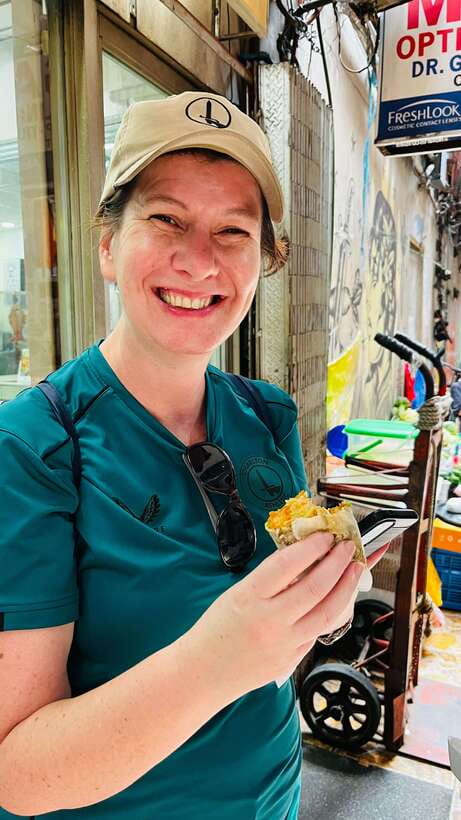
Once the tour begins, expect a walking route through Binondo’s old streets and food districts. The supplied details do not give a fixed list of every stop, so the exact order may change. That flexibility makes sense in a food neighborhood where opening hours, queues, and vendor availability can shift.
The first stretch is likely to help you get your bearings. You will see the contrast between historic buildings and the busy commercial life around them. Small shops and market activity give the district its character, while the guide explains the importance of the area and the long connection between Chinese communities and Manila.
The street setting is part of the meal. You may be walking close to traffic, weaving through crowded lanes, and moving between food counters rather than sitting down for long courses. That makes the experience feel local, but it also means you should not expect a quiet, polished restaurant tour.
The pace deserves attention. One guest described the walking as cracking fast. That can be a benefit in Manila’s heat, since you spend less time exposed on the street. Still, it may be tiring if you have limited mobility, need a slower pace, or want plenty of time to photograph every building.
Eating your way from Chinese classics to Filipino-Chinese flavors
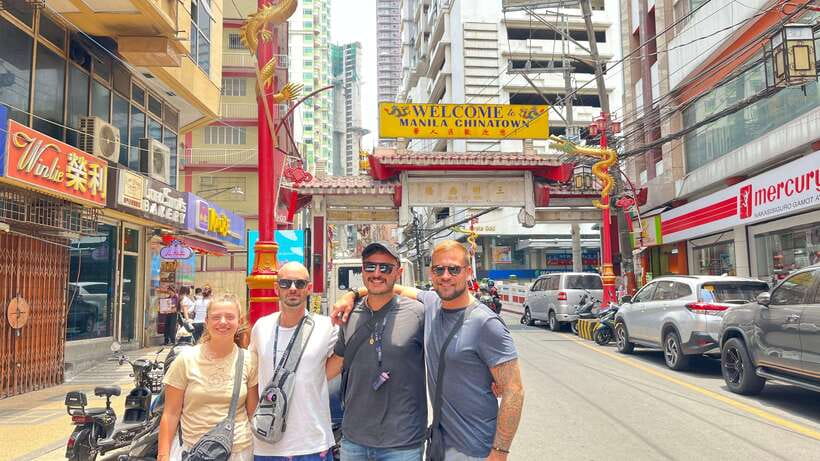
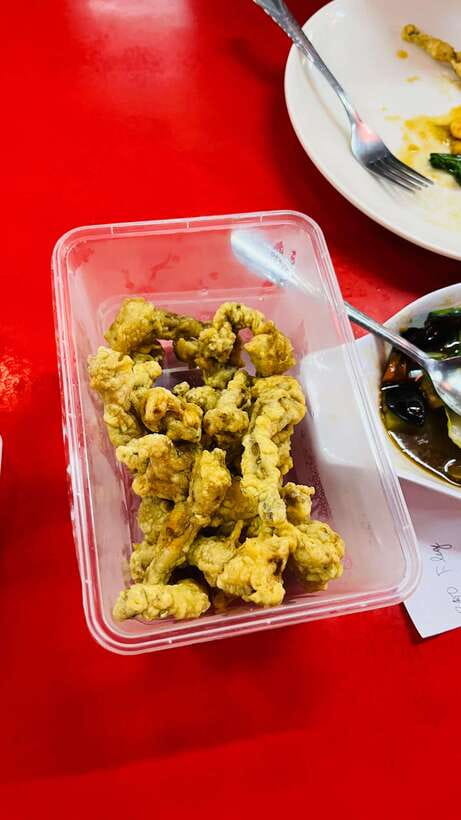
The food is the main event. You are promised Chinese street food and famous Chinatown dishes, with sweet, savory, and spicy flavors included. The tour is designed for tasting several items, not filling up on one large plate.
One reported route stopped at eight restaurants. That gives you a useful idea of the scale, although the number of stops may vary. Small portions would make sense on a route like this, but the supplied information does not promise exact serving sizes. Follow the advice to come hungry.
The food may include classic Chinese dishes as well as Filipino-Chinese combinations. That blend is one of Binondo’s strengths. You are not visiting a Chinatown sealed off from the rest of Manila. You are seeing how Chinese cooking has become part of local Philippine food culture.
The best way to approach the meal is with curiosity. A sweet bite may be followed by something salty, rich, or spicy. You may find dishes that are familiar in name but different in seasoning or texture. If you usually prefer one large meal, the repeated tastings can feel less predictable, but that variety is exactly why this works as a food walk.
Water is included, which is helpful in Manila’s heat. Even so, wear light clothing and avoid arriving dehydrated. The tour runs rain or shine, so a wet-weather plan is sensible.
Same islands, a completely different day on the water:
- Intramuros, Manila: Historical Bamboo Bike Tour
★ 4.8 · 583 reviews - Experience Intramuros with Bamboo Bicycle – Ecotours
★ 5.0 · 508 reviews - Manila: Old & New 4-Hour City Tour
★ 4.5 · 458 reviews - Spectacular Manila to Tagaytay: Full-Day Sightseeing Tour
★ 5.0 · 349 reviews
Ongpin and Quiapo add more than extra walking
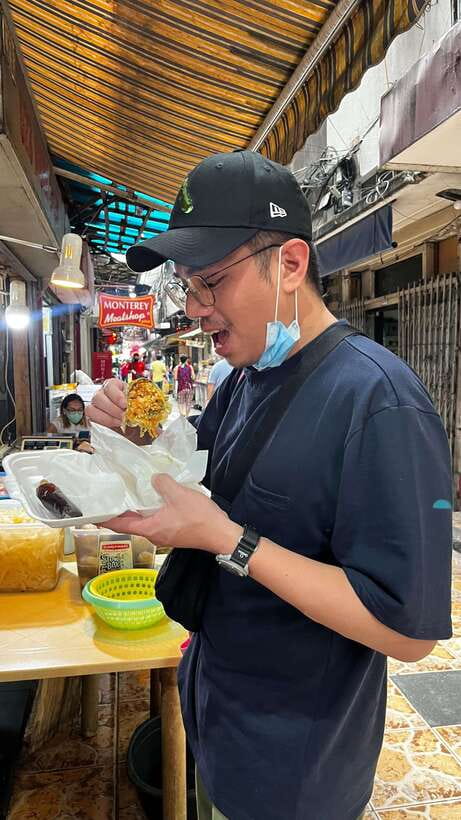
The route can continue beyond Binondo into Ongpin and the Quiapo area. These neighborhoods give the tour a wider view of Manila instead of keeping you inside one Chinatown street.
Ongpin is closely linked with Binondo’s Chinese commercial and food life, making it a natural part of a Chinatown tasting route. Quiapo adds another layer of Manila’s busy city scene. The appeal here is not a checklist of landmarks. It is the changing feel of the streets, the movement between districts, and the way food, commerce, and culture overlap.
The walking also gives you chances to see older buildings and historic sites. The experience specifically calls attention to some of the oldest buildings in the area, but it does not promise entry into each one. Think of this as an outdoor history lesson, with the guide pointing out what you might otherwise pass without noticing.
I like this structure because it keeps the food connected to place. A dish tastes different when you know you are eating in a district shaped by generations of Chinese and Filipino exchange. The trade-off is that the route may feel busy and fast, especially when you are crossing from one food stop to another.
The local transport ride
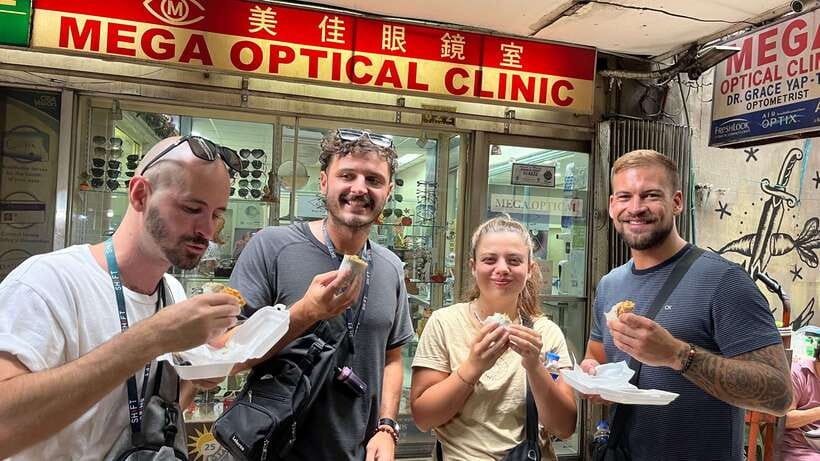
Local transportation is included, and one account describes riding in a motorbike with a sidecar. The guide’s humorous comparison to a Lamborghini with air-conditioning captures the spirit of the ride better than a formal vehicle description would.
This is not just a novelty added to the end of the tour. It gives you a brief taste of how people move through Manila’s crowded streets. A sidecar ride can also save walking time when the route covers several areas.
The exact use of transportation may depend on the day and route, so do not treat a particular vehicle as guaranteed beyond the stated inclusion of local transport. If you dislike motorbike travel or have concerns about traffic, ask about the plan before you book.
For many people, this will be one of the most memorable parts because it breaks up the walking and makes the experience feel tied to everyday Manila. It is also a reminder that this is a street-level tour, not a sealed coach excursion.
What the $68 price really buys you
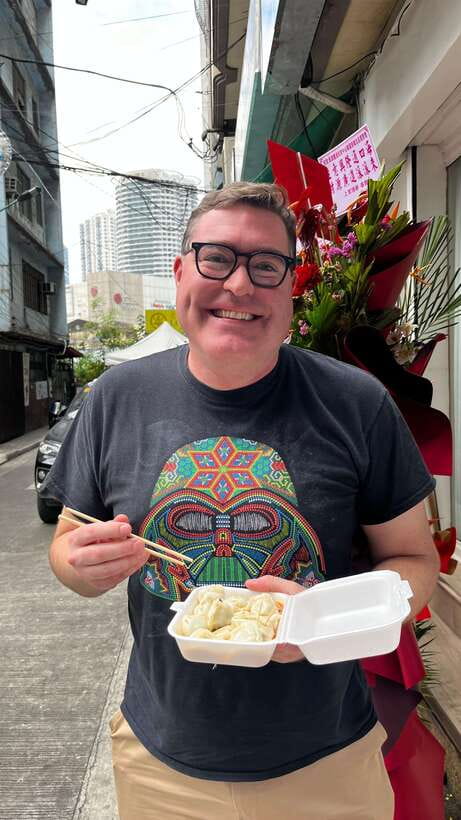
At $68 per person for two hours, this is not the cheapest way to grab food in Binondo. You could spend far less by choosing your own stalls and restaurants. The price needs to earn its keep through the guide, the range of tastings, the local transport, and the time saved finding suitable stops.
The value improves if you want a quick introduction rather than a self-guided food hunt. In two hours, you may visit up to eight restaurants, learn about several neighborhoods, and try dishes you might not recognize. You also avoid the work of deciding where to eat in a crowded district.
The price is less convincing if you already know Binondo well or prefer to linger over a single meal. You may also find the short duration limiting. Eight stops, history, walking, and transport leave little room for slow conversation or long pauses.
I would view the fee as payment for access and interpretation, not simply for food. The strongest part is the guide’s relationship with local vendors and the ability to connect each stop with the district. If you want only a cheap lunch, this is poor value. If you want an efficient introduction with plenty of tastings, it is easier to justify.
Who should book this experience
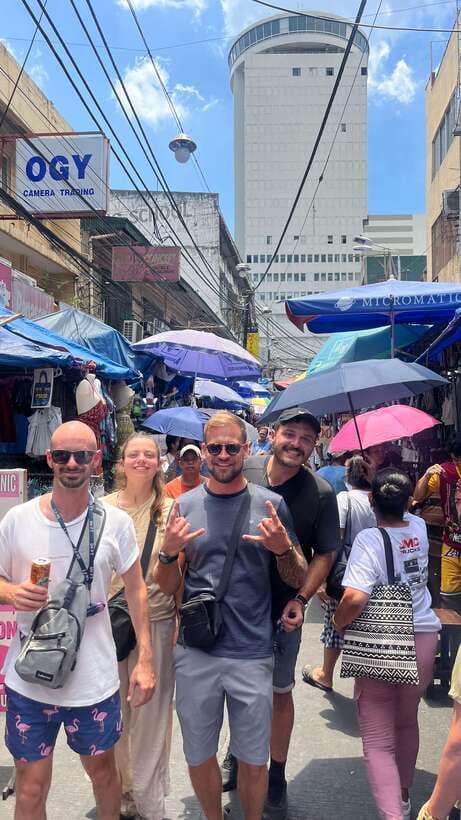
I would recommend it most strongly to first-time visitors to Manila who want an immediate sense of Binondo. It also suits people who plan their days tightly and want a compact introduction to Chinese and Filipino-Chinese food.
Come hungry, as requested. The food schedule can be substantial, and the combination of multiple restaurants and street snacks may be more than you expect from a two-hour walk.
This tour is also a good match for curious eaters who enjoy asking questions. The guides are praised for energy, clear explanations, and concern for the area, vendors, and local people. That human connection can make the walk much more useful than a simple list of food stalls.
It is not suitable for vegans or vegetarians, according to the tour information. People with heart problems should not book it, and wheelchair users are excluded. Children aged three and older are allowed, but parents should consider the heat, quick pace, traffic, and amount of walking.
Practical details before you commit
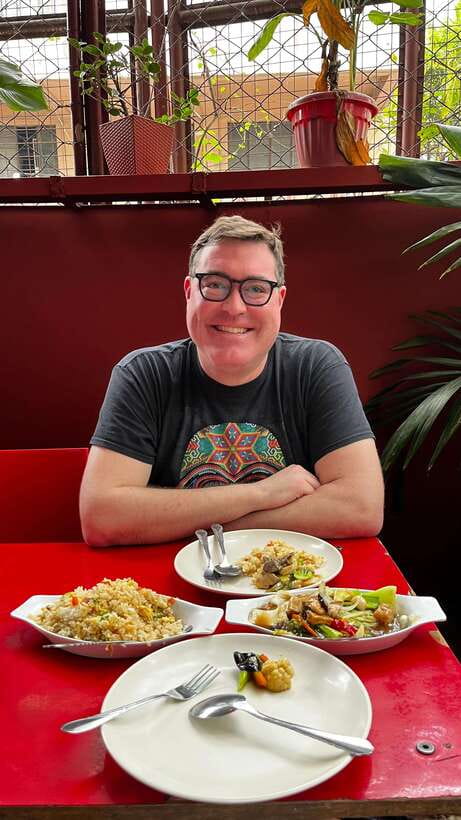
The tour lasts two hours and is offered in English and Tagalog. Starting times vary, so you need to check availability for your chosen date.
The experience runs rain or shine. Bring comfortable shoes, water-friendly protection if rain is possible, and enough appetite for repeated tastings. A small bag is easier to manage on narrow streets than bulky luggage.
Tell the provider about dietary restrictions before the tour or at the time of booking. The supplied information specifically excludes vegans and vegetarians, so do not assume that every dietary need can be handled on the route.
Last-minute booking has been possible, and the tour information says to book within 24 hours. Still, contacting Mari or the provider ahead of time is wise if you have food concerns, mobility questions, or want to arrange a private or full-day tour.
Free cancellation is available up to 24 hours before the start for a full refund. You can also reserve now and pay later, which helps if your Manila schedule is still changing.
Should you book the Binondo food tour?
Book it if you want a fast, food-heavy introduction to Manila’s oldest Chinatown and prefer a guide to lead you through the details. The combination of several tastings, old buildings, neighborhood history, local vendors, and a sidecar ride gives you much more than a standard restaurant meal.
Think twice if you need a slow pace, have strict dietary restrictions, or want a fully accessible route. The walking can be quick, the streets are active, and the tour is not suitable for vegans, vegetarians, wheelchair users, or people with heart problems.
For most able-bodied food lovers, the appeal is clear. Mari or Tessie can turn a confusing district into a readable one, and the generous sequence of tastings makes two hours pass quickly. I would book this early in a Manila visit, then return to any favorite shop at your own pace.
FAQ
Where does the tour take place?
The experience takes place in Binondo, Manila’s Chinatown, with walking through Binondo, Ongpin, and the Quiapo area.
How long is the food tour?
The tour lasts two hours.
What is the price?
The listed price is $68 per person.
What food is included?
The tour includes tastings of Chinese street food and well-known Chinatown dishes, including sweet, savory, and spicy flavors.
How many restaurants will I visit?
One route included stops at eight restaurants, but the exact number can vary.
Who leads the tour?
Guides may include Mari or Tessie. The guide assignment can vary.
What languages are available?
The tour is offered in English and Tagalog.
Is local transportation included?
Yes. Local transportation is included, and the route may use a motorbike with a sidecar.
Is the tour suitable for children?
Children aged three and older are allowed.
Can I cancel for a refund?
Yes. You can cancel up to 24 hours in advance for a full refund, and reserve now while paying later.
More Food in Manila
- Manila Street food and Night Market Tour
★ 4.7 · 21 reviews - Makati Street Food Tour Experience
★ 5.0 · 20 reviews - ⭐ Manila Street Food Tour in the Downtown, Eat and Drink⭐
★ 4.6 · 19 reviews - Makati: Street Food Experience with a Local Guide
★ 4.6 · 14 reviews
More Food & Drink in Manila
- Manila: Street Food and Drinks Walking Tour with Tastings
★ 4.8 · 114 reviews - Manila: Sightseeing and Food Walking Tour with Tastings
★ 4.7 · 68 reviews - Manila’s Culinary Expedition: The Ultimate Food and Market Tour
★ 5.0 · 42 reviews - Manila: Guided Food Tour of Binondo with Tastings
★ 4.8 · 38 reviews
Just added around Manila
- Underground River with Lunch★ 3.6 · 5 reviews
- Private Tour: Tagaytay Midlands & Taal Volcano Boat Ride★ 4.5 · 15 reviews
- 3 Days Private Tour in Banaue Ifugao visiting Batad Rice Terraces★ 3.5 · 3 reviews
- Tagaytay Adventure: Volcano Views, Countryside, Market & Cruise!★ 4.5 · 14 reviews
- Tagaytay + Hidden Valley Springs: A Scenic Escape w/ Transfers★ 4.0 · 4 reviews
- Tagaytay Day Tour sightseeing with Panoramic Taal volcano view★ 5.0 · 6 reviews
- Unforgettable Manila Fishing Village Day Excursion 2024★ 5.0 · 4 reviews
- indigenous Forest experience Manila 2023★ 5.0 · 4 reviews
Manila Street Food Tours, compared.

Intramuros, Chinatown, and Old Manila Half-Day Tour
Read our review →
Manila Food Tour: Introduction to Philippine Street Food
Read our review →
Manila Food Tour: Explore World’s Oldest Chinatown
Read our review →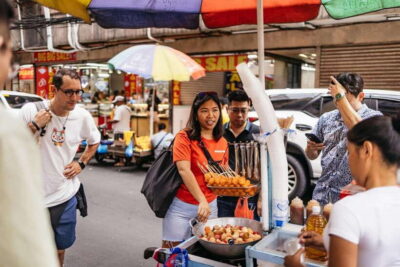
Street Food and Drinks Walking Tour with Tastings
Read our review →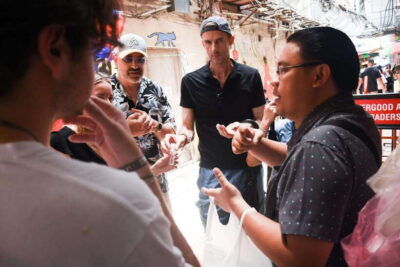
Intramuros, Chinatown, and Old Manila Half-Day Tour
Read our review →
Makati Street Food Experience end with a Rooftop Bar
Read our review →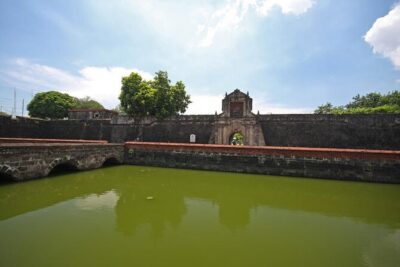
Intramuros & Chinatown Manila Tour – Walking, Food & Culture
Read our review →Browse the lists this tour appears in