
Reviewed · MANILA STREET FOOD TOURS
Manila Street food and Night Market Tour
Manila’s street food scene makes the city feel immediate. In two hours, you move from the food stalls of Tutuban and Divisoria to Binondo’s Chinese-Filipino snacks, then finish with city lights beside the Pasig River. It is part food lesson, part market walk, and part orientation to Manila’s working streets.
I like the small, focused route and the chance to learn how to order food like a local rather than simply being handed a plate. I also like the included tuktuk or jeepney ride, plus guides such as Floyd and Venus, who are praised for making solo guests feel safe and at ease. The main drawback is the pace: two hours is short for several busy districts, and adventurous eaters will get more from the tour than picky eaters.
Key points
- Tutuban starts the food adventure with isaw, balut, and kwek-kwek in a busy night-market setting.
- Divisoria’s Ilaya Street adds cheap goods, snack stalls, taho, and banana cue.
- Binondo brings Chinese-Filipino flavors through siopao, dumplings, and bakery treats.
- A jeepney or tuktuk ride gives the tour a distinctly local touch without making you walk the entire route.
- Floyd and Venus are the named guides, with English guiding and photography included.
- The two-hour schedule is lively but tight, so expect a sampling rather than a full meal or a long market visit.
What This Two-Hour Manila Food Walk Is Really Like
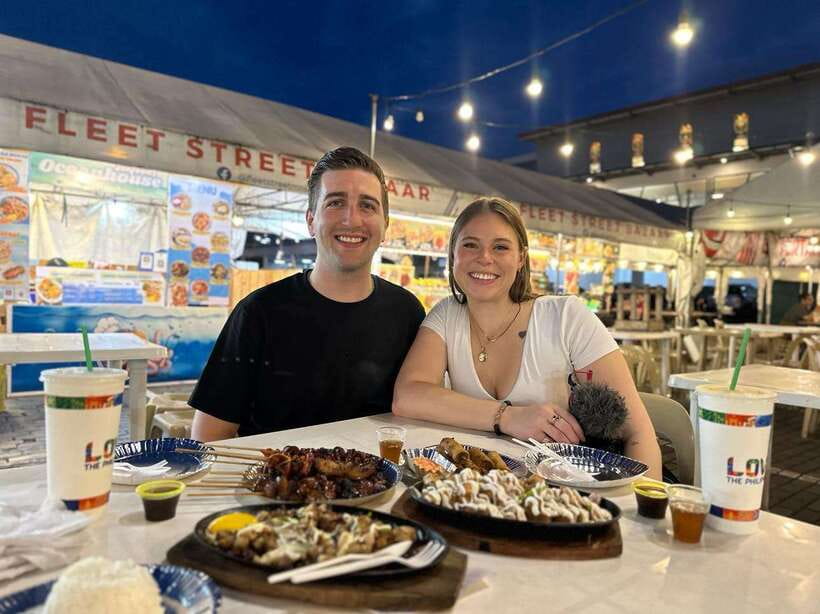
This is not a polished restaurant crawl. It takes you into public markets, food stalls, commercial streets, and a riverside promenade. That matters because Manila’s food culture is tied closely to daily life. You see where people shop, where quick snacks are sold, and how several cultural influences meet in one city.
The tour begins at Tutuban Center. The meeting information also mentions Bonifacio Monument and Tutuban Center Mall, so confirm your exact meeting point with the operator before setting out. A WhatsApp contact is provided: 09980864564.
From there, the route is planned around four stops. Tutuban receives about 30 minutes, Ilaya Street in Divisoria about 20 minutes, Binondo about 40 minutes, and Pasig Esplanade about 30 minutes. Those times add up to the advertised two hours, so the schedule leaves little room for delays.
That tight timing is both a strength and a limitation. You get a brisk introduction to several parts of Manila in one evening, but you will not explore every lane or sample every dish. Think of it as a first taste that helps you decide where to return later.
More Manila Street Food Tours in Manila
- Manila: Intramuros, Chinatown, and Old Manila Half-Day Tour
★ 4.8 · 475 reviews - Manila Food Tour: Introduction to Philippine Street Food
★ 5.0 · 417 reviews - Manila Food Tour: Explore World’s Oldest Chinatown
★ 5.0 · 158 reviews
Tutuban Night Market: Your First Lesson in Filipino Snacks
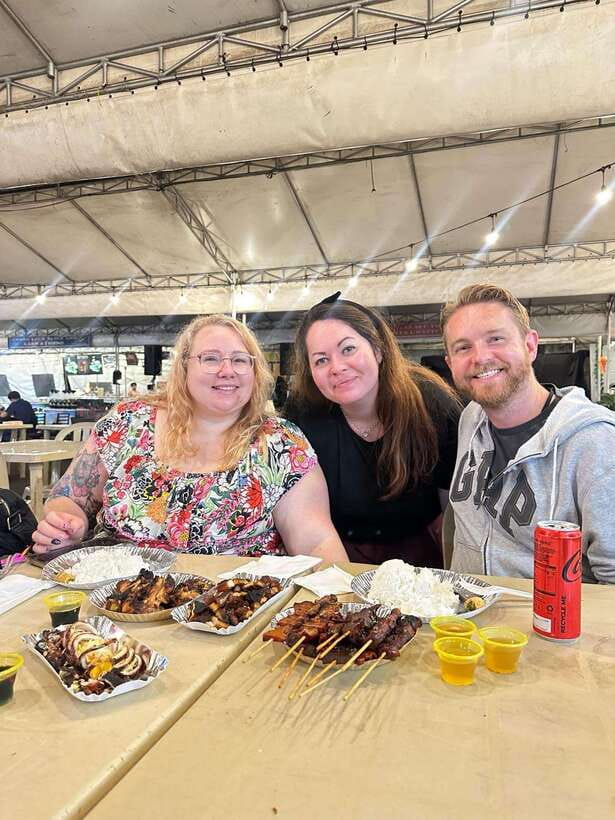
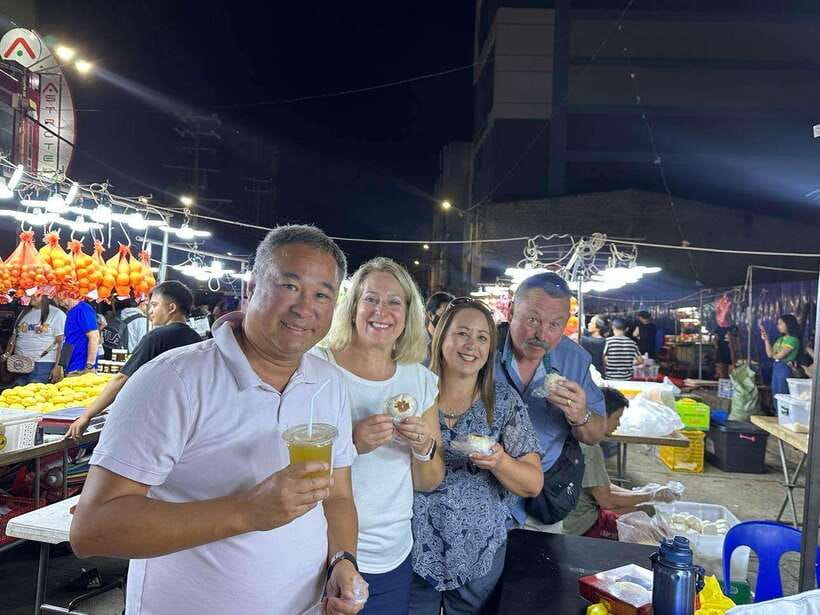
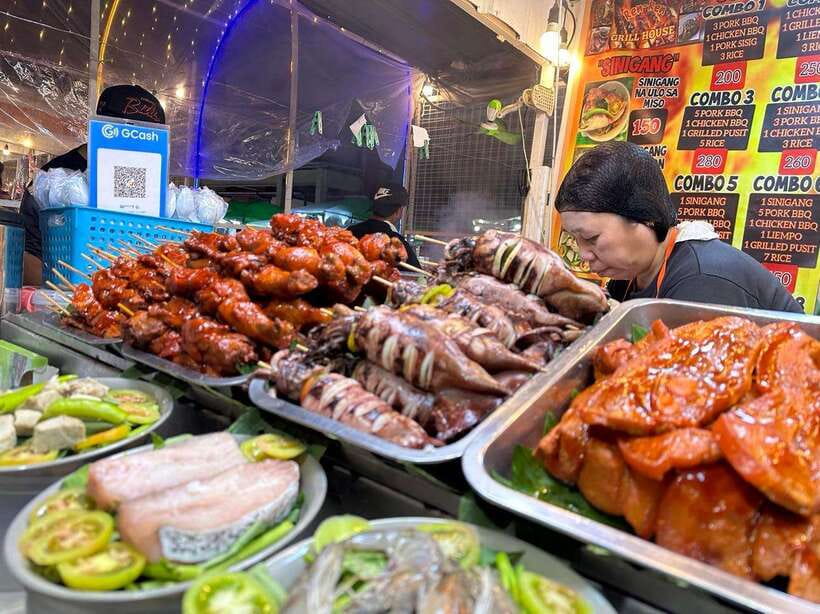
Tutuban Night Market sets the tone quickly. The market is known for movement, close-packed stalls, low-cost goods, and food served for people on the go. Your guide helps you read the scene instead of leaving you to guess what is safe, popular, or worth trying.
The suggested food lineup includes isaw, grilled chicken or pork intestines; balut, a fertilized duck egg; and kwek-kwek, battered quail eggs with a bright sauce. These are not timid introductions to Filipino street food. They are familiar local snacks, and they give you a clear sense of how Filipino cooking uses texture, grilling, batter, sauce, and strong seasoning.
Balut deserves a special note. It is often treated as a dare by outsiders, but a good guide can put it into local context and explain how it is eaten. You do not have to pretend to like everything. The useful part is having someone explain the food, show you how to approach it, and let you decide.
Isaw can also be a test for cautious eaters because of its texture and appearance. Kwek-kwek is usually an easier starting point, especially if you like fried snacks. Tell Floyd or Venus about allergies before the tour begins, since the food tasting is central to the experience.
The market’s atmosphere is part of the point. You may be surrounded by shoppers, vendors, traffic, and the sounds of a working commercial district. Keep your belongings secure and wear shoes suited to walking. The tour is not designed as a quiet seated meal.
Divisoria and Ilaya Street: Shopping Streets With Quick Bites
The next section moves to Ilaya Street in Divisoria. This area adds a different kind of street experience. Instead of focusing only on food, you see stalls selling affordable goods, with snack sellers mixed into the shopping flow.
The planned stay is only about 20 minutes, so you should not expect a detailed shopping expedition. Instead, this is a quick look at how food fits into a busy market district. A snack can be eaten while walking, browsing, or waiting for a purchase. That connection between shopping and eating is an important part of the local rhythm.
Here, the tasting may include taho, soft silken tofu served with syrup, and banana cue, fried banana coated with caramelized sugar. Taho is gentle and warm compared with the grilled items at Tutuban. Banana cue is sweeter, heavier, and more familiar to anyone who likes fried fruit.
I like this change in flavor. After the stronger choices at the first stop, taho and banana cue give your palate a break. It also helps you see that Filipino street food is not one narrow category. It includes breakfast-style snacks, fried sweets, grilled foods, and Chinese-influenced treats.
The short timing may frustrate shoppers who want to linger. If your main goal is buying clothes, household goods, or souvenirs, this tour will not give you enough time to compare stalls. Its purpose is to show you the market and feed you along the way.
Binondo Chinatown: Chinese-Filipino Food in the Middle of Manila
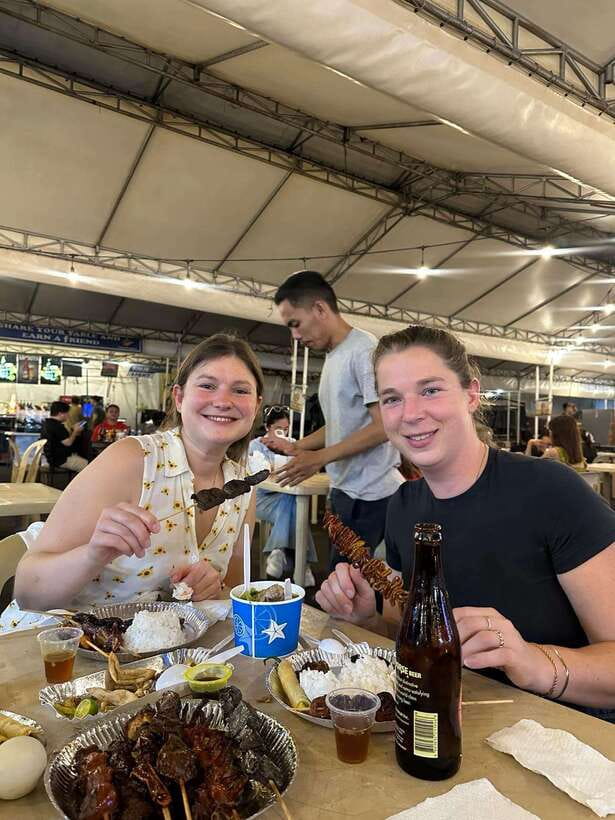
Binondo receives the longest stop, about 40 minutes. That extra time makes sense because the district adds another layer to Manila’s food story. Here, your guide may take you to street stalls or bakeries for siopao, steamed buns, and dumplings.
These foods show how Chinese and Filipino tastes meet in Manila. Siopao is portable, filling, and easy to eat during a walking tour. Dumplings offer a different texture from the grilled and fried foods earlier in the evening. Bakery treats may add a sweet or soft finish, depending on what is available.
The value of having a guide is especially clear in Binondo. You are not only choosing food. You are moving through a district with a long Chinese-Filipino identity, and the guide can connect the dishes to the area’s cultural background. The supplied information does not promise a fixed restaurant or fixed menu, so your exact tasting may vary.
That flexibility can be useful. Street food changes with availability, time, and stall activity. It also means you should not book this expecting a guaranteed list of every item. The named foods are examples of what you may try, not a formal tasting menu.
Guests who joined Floyd describe him as funny, patient, and good at explaining both Manila and its food. Venus is also praised for being professional, friendly, and easy to spend time with. Jenny is mentioned in one account as a warm host who gave a useful introduction to Filipino food, though the activity information names Floyd and Venus as the regular English-speaking guides.
If you are traveling alone, Binondo may be one of the most reassuring parts of the evening. One solo participant joined during a long layover and said Floyd helped create a comfortable setting while introducing unfamiliar foods. That is practical value: you can try dishes you might skip when exploring alone.
Same islands, a completely different day on the water:
- Intramuros, Manila: Historical Bamboo Bike Tour
★ 4.8 · 583 reviews - Experience Intramuros with Bamboo Bicycle – Ecotours
★ 5.0 · 508 reviews - Manila: Old & New 4-Hour City Tour
★ 4.5 · 458 reviews - Spectacular Manila to Tagaytay: Full-Day Sightseeing Tour
★ 5.0 · 349 reviews
The Ride Matters: Jeepney or Tuktuk Between Stops
The included transport is listed as a tuktuk ride or jeepney. The descriptions also refer to kickshaws, which may be another way of describing the short local ride. Either way, the transport is not a luxury transfer. It is part of the city experience.
A short ride helps break up the walking and gives you a close view of Manila’s street life. It also matters because this route covers several districts in a limited time. Without some form of local transport, the evening would be more tiring and the timing harder to manage.
Do not think of the ride as the main event. It is a practical link between food stops, with a bit of local character added. The tour remains a walking food tasting, so comfortable shoes are important.
The route details contain a small point worth checking. The experience is described as ending at Pasig Esplanade, while the itinerary lists Manila City Hall as the finish. Since meeting and ending points can affect your evening plans, confirm the final drop-off location before booking around a dinner reservation or onward transport.
Pasig Esplanade: A Quieter Finish Beside the River
After the close quarters of the markets, Pasig Esplanade offers a change of pace. The planned 30 minutes here are for a stroll, riverside views, city lights, and perhaps a final light snack.
This is a good design choice. Ending beside the river lets you process the evening instead of finishing at the busiest food stall. The contrast gives the tour a natural shape: markets first, cultural food stops next, then open air and lights.
The esplanade portion is not presented as a major sightseeing visit with a long guided talk. It is more of a wind-down. If you want landmark-heavy sightseeing, you should keep your expectations modest. If you enjoy a relaxed final walk after eating, this part adds balance.
It also gives you a chance to ask follow-up questions. You may want to know where to eat again, which snacks are common elsewhere in the Philippines, or how to order without pointing at a dish. Use the final minutes for that practical conversation.
Food Choices: Best for the Curious and Flexible
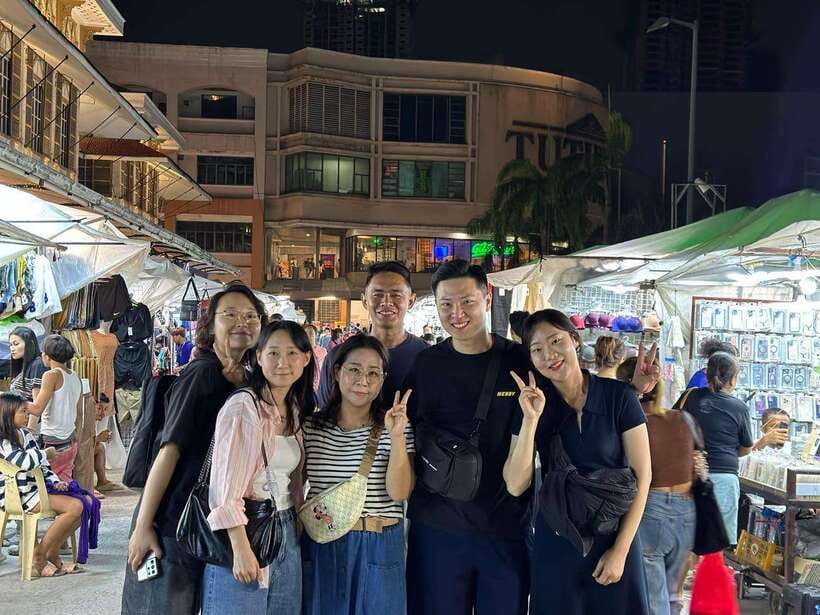
This tour asks you to be open-minded. The food list includes items that some people find challenging, especially balut and isaw. You can be curious without forcing yourself to eat something that concerns you, but the tour works best when you are willing to try unfamiliar textures and flavors.
The food is presented as tasting rather than a full dinner. You should arrive ready to sample several small items, not expecting a long restaurant meal. If you have food allergies, tell the operator in advance. That instruction is important because the route includes multiple stalls and prepared foods.
The guide can help you order like a local, which is one of the most useful skills offered here. You learn by watching what is chosen, how food is requested, and how snacks are eaten in context. That makes the experience more useful than simply receiving a preselected plate.
Picky eaters may feel limited. There are a few more approachable choices, such as fried banana, dumplings, siopao, and kwek-kwek, but this is still a street-food tour. If your idea of a good evening requires familiar food and controlled ingredients, choose a different type of activity.
What the Guides Add to the Evening
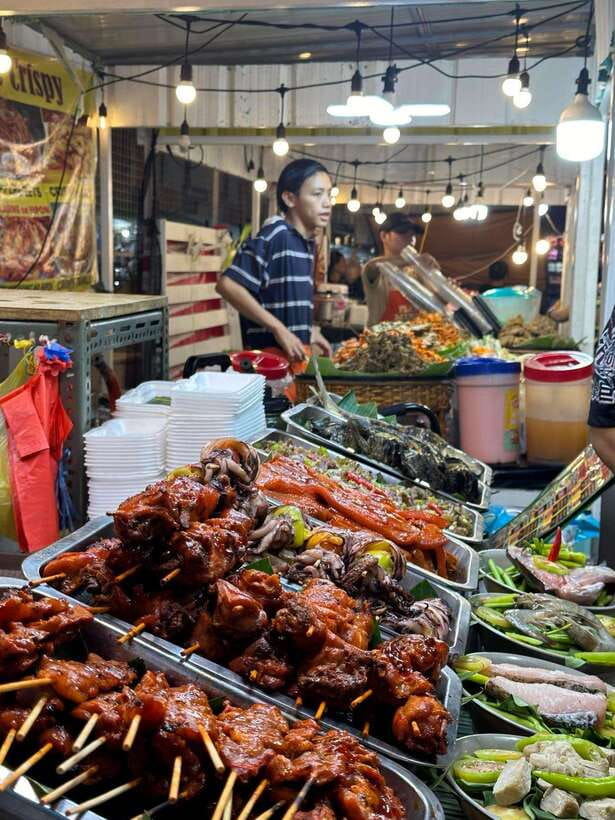
The human side of this tour receives the strongest praise. Floyd is repeatedly described as funny, patient, careful, and good at telling stories. Venus is described as warm, professional, and attentive. Those qualities matter in markets where a visitor can easily feel lost or unsure.
An English-speaking guide helps with more than translation. You get help judging where to stop, how to approach a food stall, and how to move through busy streets. You also have someone who can explain local habits without turning the evening into a formal lecture.
Several people describe feeling safe and comfortable with Floyd, including someone on a first solo trip to the Philippines. That does not remove the need for normal city awareness, but it is a real benefit if you are new to Manila or traveling alone.
The tour includes photography. The information does not specify how many photos you receive or how they are delivered, so ask if that detail matters to you. Treat the photo service as a useful extra rather than the main reason to book.
Is $68 a Fair Price for Two Hours?
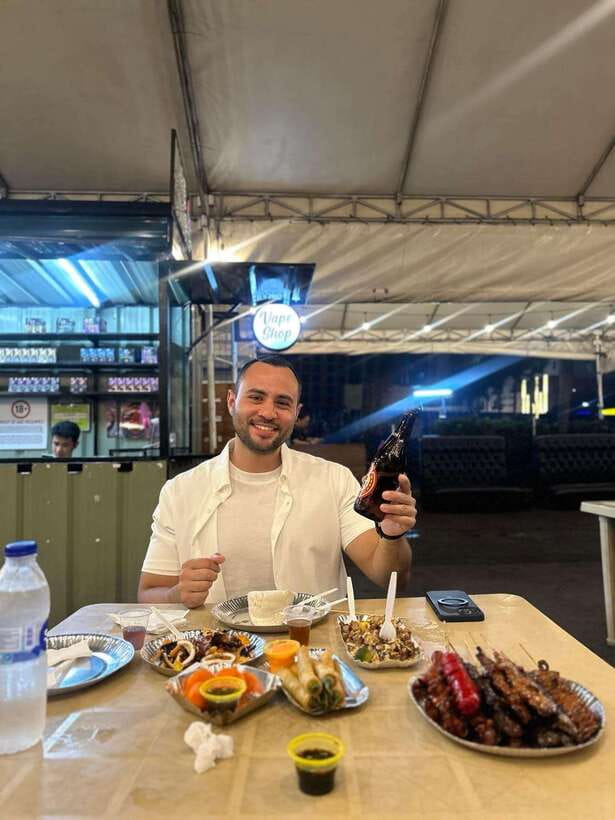
At $68 per person, this is not the cheapest way to buy street food in Manila. You could spend far less by choosing snacks independently. The price is paying for the guide, food introduction, local ordering help, photography, and a tuktuk or jeepney ride, along with the ease of having the route organized.
The value improves if you are short on time. A two-hour tour can be useful during a long layover, as one person used it, or on your first evening in the city. You get a quick sense of several districts without having to plan the route yourself.
The value is less clear if you already know Manila well, speak comfortably with vendors, and prefer to eat independently. In that case, the fixed price may feel high for the duration.
The rating is 4.7 from 21 reviews, and the strongest praise centers on the guides, safety, food range, and cultural explanations. That pattern suggests the experience is worth more for the personal guidance than for the quantity of food. Book it for access and confidence, not for a bargain meal.
Free cancellation is available up to 24 hours before the start, and you can reserve now and pay later. Starting times depend on availability. Those terms are useful if your Manila plans are still shifting, but you should still confirm the meeting point and finish before paying.
Who Should Book This Manila Food Tour?
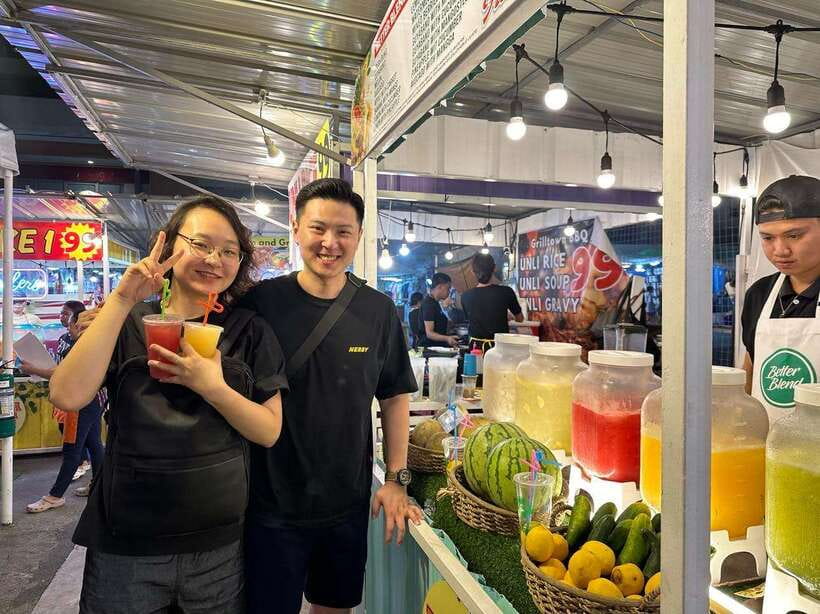
I would recommend it to first-time visitors who want an immediate introduction to Manila. It also fits solo visitors, short-stay guests, and anyone who wants a local guide for the first night.
It is a good match if you enjoy:
- Trying food you cannot easily identify
- Walking through working markets
- Learning how to order from stalls
- Using a jeepney or tuktuk
- Meeting local Filipinos
- Combining food with light cultural sightseeing
I would be more cautious about recommending it to families with very young children, people with strict dietary limits, or anyone who dislikes crowds and spontaneous food choices. The supplied information does not give a detailed accessibility description, so ask the operator about walking needs before booking.
The route also has some unclear details. The location is labeled Nueva Vizcaya, although every meeting and sightseeing point is in Manila. The finish is described both as Pasig Esplanade and Manila City Hall. These may be booking-page inconsistencies, but they are worth confirming with V.S Tour Services.
Should You Book It?
Book this tour if you want a short, guided first look at Manila’s food streets and you are willing to try more than safe, familiar snacks. Floyd or Venus can help you handle the markets, explain what you are eating, and make the evening feel less awkward for a first-time visitor.
Skip it if you want a slow restaurant dinner, a fixed menu, or a low-cost self-guided outing. At $68, the real purchase is guidance, local context, transport between stops, and confidence in a city that can feel intense at first. For a two-hour introduction, that can be a sensible trade.
FAQ
Where does the Manila Street Food and Night Market Tour start?
The stated starting location is Tutuban Center. The meeting information also refers to Bonifacio Monument and Tutuban Center Mall, so confirm the exact meeting point with V.S Tour Services using WhatsApp at 09980864564.
Where does the tour finish?
The activity information describes the final stop as Pasig Esplanade, while the itinerary lists Manila City Hall as the finish. Confirm the final location before booking onward transport.
How long is the tour?
The tour lasts two hours.
How much does the tour cost?
The listed price is $68 per person.
Which foods might I try?
The food examples include isaw, balut, kwek-kwek, taho, banana cue, siopao, dumplings, and possible bakery treats in Binondo.
Is the tour suitable for people with food allergies?
You should tell the operator about any food allergies before the tour, since the experience includes food tasting at street stalls and other food stops.
Is transportation included?
A tuktuk ride or jeepney ride is included. The experience is also a walking tour, so you should be prepared to walk between stops.
Who leads the tour?
The activity lists Floyd or Venus as the English-speaking guides. Jenny is also mentioned in one account as a host, but Floyd and Venus are the named guides in the activity details.
Can I cancel or pay later?
You can cancel up to 24 hours in advance for a full refund. The reserve-now, pay-later option lets you book without paying immediately.
More Food in Manila
- Makati Street Food Tour Experience
★ 5.0 · 20 reviews - ⭐ Manila Street Food Tour in the Downtown, Eat and Drink⭐
★ 4.6 · 19 reviews - Makati: Street Food Experience with a Local Guide
★ 4.6 · 14 reviews - Skip the Line: Hike Eat Swim at Mount Purro Nature Reserve Ticket
★ 5.0 · 13 reviews
More Food & Drink in Manila
- Manila: Street Food and Drinks Walking Tour with Tastings
★ 4.8 · 114 reviews - Manila: Sightseeing and Food Walking Tour with Tastings
★ 4.7 · 68 reviews - Manila’s Culinary Expedition: The Ultimate Food and Market Tour
★ 5.0 · 42 reviews - Manila: Guided Food Tour of Binondo with Tastings
★ 4.8 · 38 reviews
Just added around Manila
- Underground River with Lunch★ 3.6 · 5 reviews
- 3 Days Private Tour in Banaue Ifugao visiting Batad Rice Terraces★ 3.5 · 3 reviews
- Tagaytay Adventure: Volcano Views, Countryside, Market & Cruise!★ 4.5 · 14 reviews
- Private Tour: Tagaytay Midlands & Taal Volcano Boat Ride★ 4.5 · 15 reviews
- Tagaytay + Hidden Valley Springs: A Scenic Escape w/ Transfers★ 4.0 · 4 reviews
- Tagaytay Day Tour sightseeing with Panoramic Taal volcano view★ 5.0 · 6 reviews
- Unforgettable Manila Fishing Village Day Excursion 2024★ 5.0 · 4 reviews
- Cultural Dinner and Show in Manila★ 5.0 · 4 reviews
Manila Street Food Tours, compared.

Intramuros, Chinatown, and Old Manila Half-Day Tour
Read our review →
Manila Food Tour: Introduction to Philippine Street Food
Read our review →
Manila Food Tour: Explore World’s Oldest Chinatown
Read our review →
Street Food and Drinks Walking Tour with Tastings
Read our review →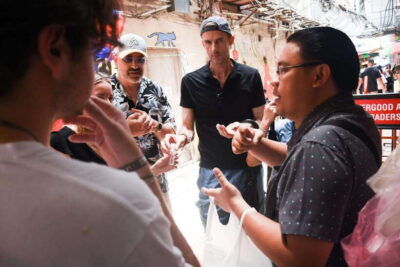
Intramuros, Chinatown, and Old Manila Half-Day Tour
Read our review →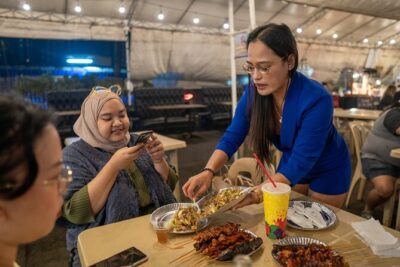
Makati Street Food Experience end with a Rooftop Bar
Read our review →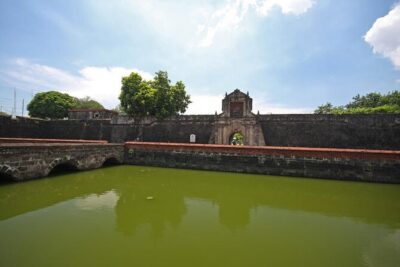
Intramuros & Chinatown Manila Tour – Walking, Food & Culture
Read our review →Browse the lists this tour appears in