
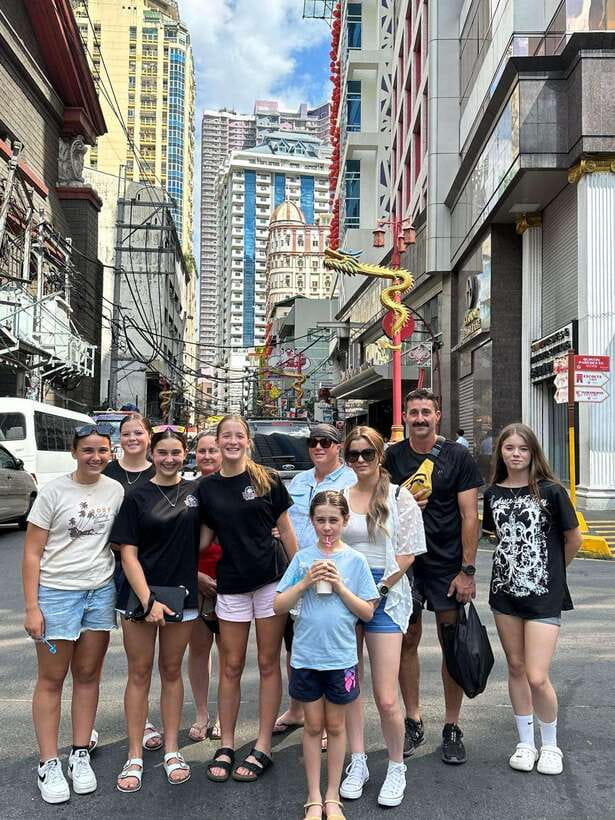
Reviewed · MANILA STREET FOOD TOURS
Manila Chinatown Hidden Gems with Venus
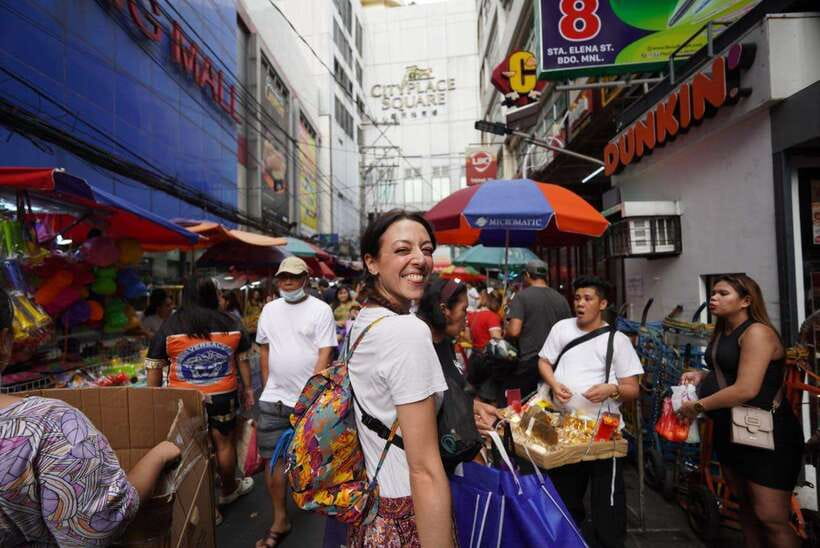
Manila’s Chinatown is best understood at street level, and Venus gets you there quickly. In two hours, you move from Binondo Church and old buildings to food stalls, Chinese shops, temples, and side streets that are easy to miss on your own. The tour also uses jeepneys, an electric tricycle, and a tuk tuk, turning the outing into a practical lesson in how people get around.
I like the strong local focus, especially the chance to ask Venus about Filipino-Chinese life as you walk. I also like the food angle, with Chinese dishes and treats such as dumplings, hopia, dim sum, and hand-pulled noodles built into the route. The main drawback is the pace: you need to keep up in crowded streets, and two hours leaves little time to linger.
Key points
- Venus leads you through Binondo’s less obvious streets, including areas you might skip when exploring alone.
- The transport is part of the experience, with rides on a jeepney, electric tricycle, and tuk tuk.
- Food stops cover sweet, savory, and spicy Chinese flavors, including hopia, dumplings, dim sum, and noodles.
- Binondo Church and Seng Guan Temple connect the neighborhood’s religious life with its long Filipino-Chinese past.
- The tour is fast-paced, so it suits active walkers who can stay alert in crowded lanes.
- The $65 price is strongest for solo visitors or first-time Manila explorers who value a guide, transport help, and local context.
Seeing Binondo through local eyes
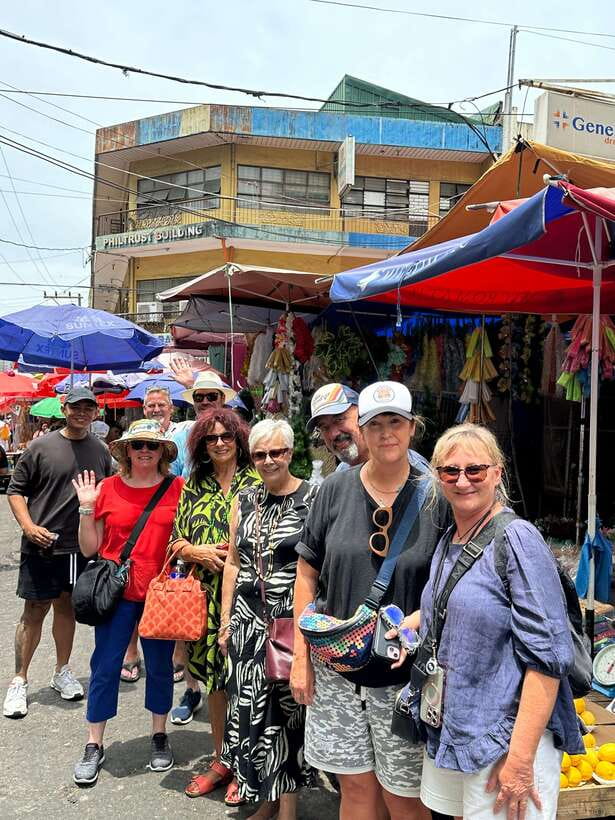
Binondo is often described as the oldest Chinatown in the world, and its appeal comes from the way several stories share the same few streets. Chinese shops, Filipino traditions, old churches, temples, food counters, traffic, and family businesses all sit close together.
I find this kind of neighborhood tour more useful than a simple list of monuments. You are not only looking at an old building. You are also hearing how the district developed, seeing where people shop and worship, and tasting food that belongs to the Chinese-Filipino character of Manila.
Venus is the key to that experience. Her role is not just to point out landmarks. She explains daily life, answers questions, and helps you read streets that can feel confusing at first. That matters in Binondo, where a short walk can shift from a major commercial road to a narrow lane filled with small shops and local activity.
The pace is part of the character. You will cover a lot in a short time, but you will need to pay attention to where Venus is. This is not a slow photography walk with long pauses at each stop.
More Manila Street Food Tours in Manila
- Manila: Intramuros, Chinatown, and Old Manila Half-Day Tour
★ 4.8 · 475 reviews - Manila Food Tour: Introduction to Philippine Street Food
★ 5.0 · 417 reviews - Manila Food Tour: Explore World’s Oldest Chinatown
★ 5.0 · 158 reviews
Meeting near Tutuban Center
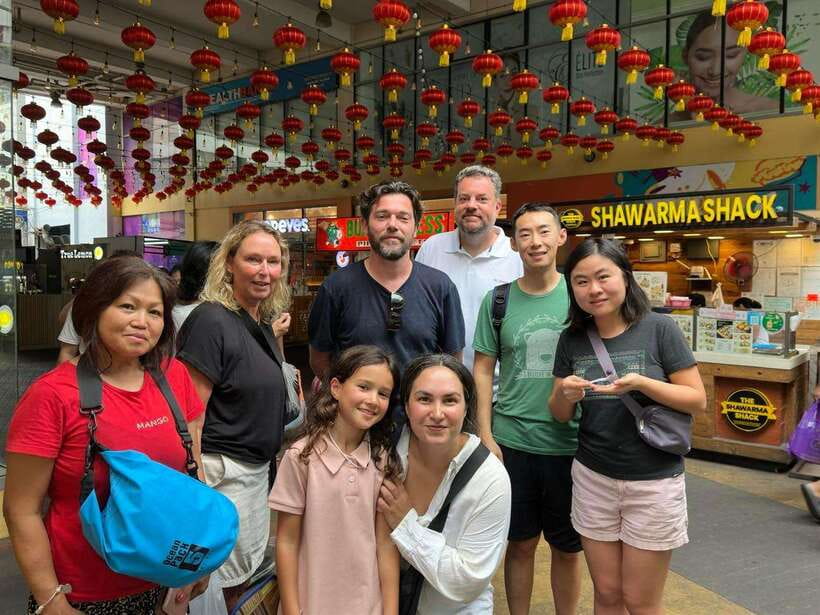
The stated meeting point is Tutuban Center Mall at the Bonifacio Monument. Once inside, ask mall security where to find the meeting location. This is practical advice worth following, since a large mall and a busy district are not places where you want to spend your first minutes searching.
The experience information gives the location as Nueva Vizcaya, while the tour itself is described as a Manila Chinatown experience and the meeting point is in the Binondo area. I would confirm the exact meeting address and starting point before booking, particularly if you are arranging transport around Manila.
The tour lasts two hours. That is enough for an introduction to Binondo, but not enough for a relaxed tour of every temple, market, and restaurant. Think of it as a compact orientation with food and transport woven into the route.
A bottle of water is included, along with local transportation used during the experience. The guide speaks English. The group is described as small, with the booking information indicating a limit of one participant, although one account describes taking the tour as a group of four. If group size matters to you, confirm the arrangement in advance.
Binondo Church and the oldest streets
The route begins with Binondo Church, a landmark dating to 1596. It gives you an immediate sense of the area’s long religious and cultural story. The church is especially useful as a starting point because it shows that Binondo is not only a Chinese commercial district. It is also part of Manila’s wider Filipino and Catholic identity.
From there, Venus places the neighborhood in context. You can expect discussion of how Binondo came to be and how Filipino and Chinese influences continue to shape local life. The value here is the explanation. Without it, old facades and busy storefronts can blur together. With a guide, details about the district become connected rather than random.
The tour also points out some of the oldest buildings. The available information does not promise a formal architectural survey, so I would not book this expecting long stops at every historic structure. Instead, you get a moving introduction, with the streets themselves acting as the setting.
Keep your eyes up and your attention on the group. The roads and lanes are active, and Venus is used to moving through them efficiently. One account specifically described her as zipping through busy streets with skill. That is helpful when you want to cover ground, but it can make the tour feel hurried if you prefer to stop often.
Ongpin Street and Chinese food
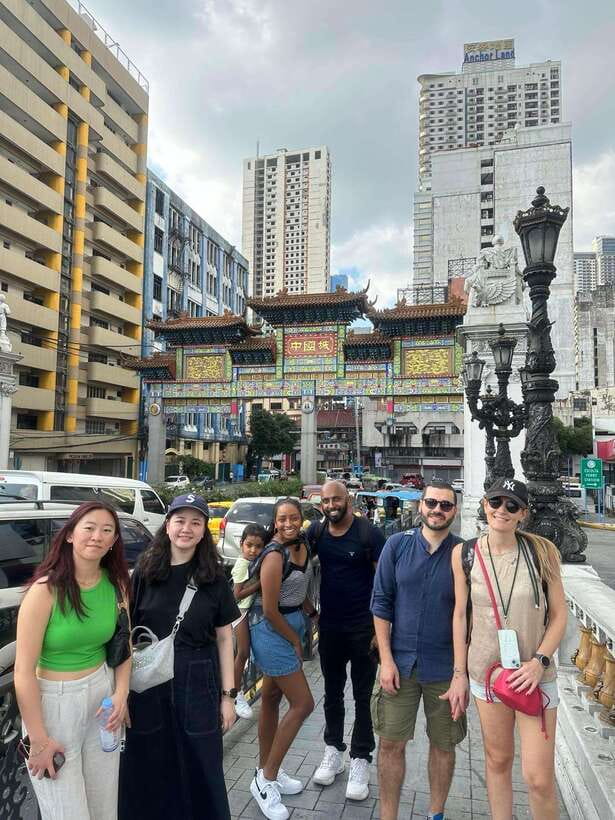
Ongpin Street is one of the tour’s main sensory stops. Shops sell Chinese herbs, delicacies, and small goods, while food counters add the smell and sound of cooking to the street scene. This is where the tour’s food focus becomes most useful.
You may try several kinds of Chinese food, including dim sum, hopia, hand-pulled noodles, dumplings, and other sweet, savory, or spicy dishes. Eng Bee Tin is named as one of the well-known food stops, and Dong Bei Dumplings is another suggested place for local specialties.
Hopia is especially worth noting if you have not tried it before. It is a Chinese-Filipino pastry with a sweet filling, and it gives you a taste of the neighborhood’s blended food traditions. Dumplings and noodles offer a more filling counterpoint, while dim sum adds the familiar small-plate style many visitors associate with Cantonese cooking.
The exact number and size of tastings are not specified, so you should not assume this replaces lunch. Food portions may vary, and the main purpose is to sample the district while moving through it. If you have allergies, dietary restrictions, or strong food preferences, tell Venus early and ask what is suitable.
I like that the food is not treated as a separate restaurant stop detached from the neighborhood. You encounter the dishes where people buy them, alongside herbal shops, bakeries, and other local businesses. That gives you a clearer idea of how Chinese food fits into everyday Binondo life.
Same islands, a completely different day on the water:
- Intramuros, Manila: Historical Bamboo Bike Tour
★ 4.8 · 583 reviews - Experience Intramuros with Bamboo Bicycle – Ecotours
★ 5.0 · 508 reviews - Manila: Old & New 4-Hour City Tour
★ 4.5 · 458 reviews - Spectacular Manila to Tagaytay: Full-Day Sightseeing Tour
★ 5.0 · 349 reviews
Temples, traditions, and local questions
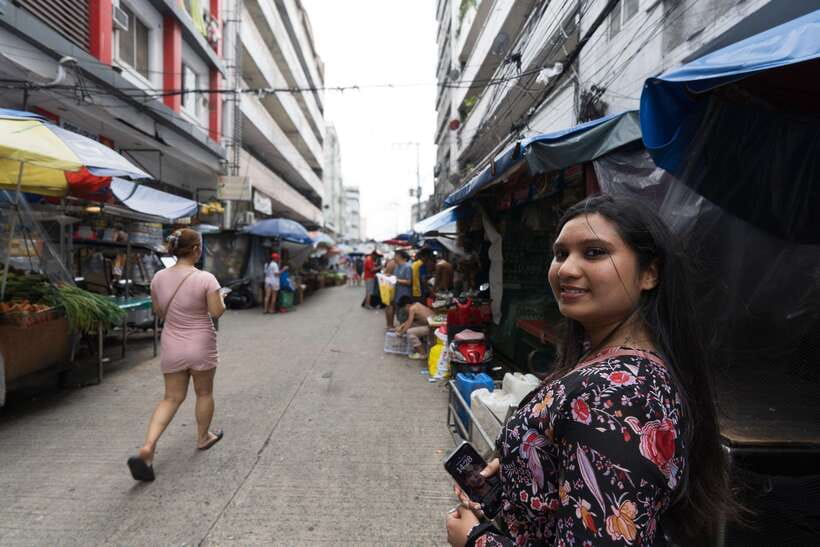
Seng Guan Temple adds another side of Binondo. The temple is noted for its intricate architecture and local religious practices, giving you a chance to see how Chinese traditions remain part of the district.
A temple visit can be easy to misunderstand if you are walking alone. Venus can explain what you are seeing and help you approach the place with the right respect. The supplied details do not promise a ceremony or a private religious encounter, so treat this as a visit to observe the setting and learn about local practice.
I would use this part of the tour to ask questions. How do Chinese and Filipino customs overlap? Which foods are tied to festivals or family life? How has the neighborhood changed? One of the strongest parts of a local guide is the chance to ask about ordinary life, not just dates and buildings.
The tour also passes through streets that you may not choose independently. That does not mean every lane is a major sight. It means you see a more grounded version of Binondo, including working streets and areas where people live and shop. One account specifically valued the chance to see how locals live, while another said the guide helped the group feel comfortable in places they would have avoided alone.
That local access is useful, but keep your expectations sensible. This is not a staged cultural show. Some streets may be crowded, noisy, cramped, or visually rough around the edges. That is part of the district’s character, though it may not suit anyone seeking a polished sightseeing route.
Riding jeepneys, tricycles, and tuk tuks
The transport is one of the tour’s most distinctive features. You may ride a jeepney, an electric tricycle, and a tuk tuk, depending on the route and conditions. These are not decorative add-ons. They show you several practical ways to move through Manila’s busy streets.
A jeepney offers a direct look at a famous part of local transport culture. The electric tricycle and tuk tuk provide a different feel, especially in narrower streets. For a short tour, these rides help you cover more ground than walking alone.
They also make the experience more memorable, but they add a little uncertainty. Local transport is not as controlled as a private vehicle. You may need to board and exit promptly, stay close to Venus, and remain alert around traffic. If you have limited mobility or dislike quick transitions, ask for more details before booking.
The transport also explains why the two-hour route can include so much. Rather than spending the whole outing on foot, you combine short walks with short rides. That creates variety, though it leaves less time for long conversations at each stop.
Is $65 good value for two hours?
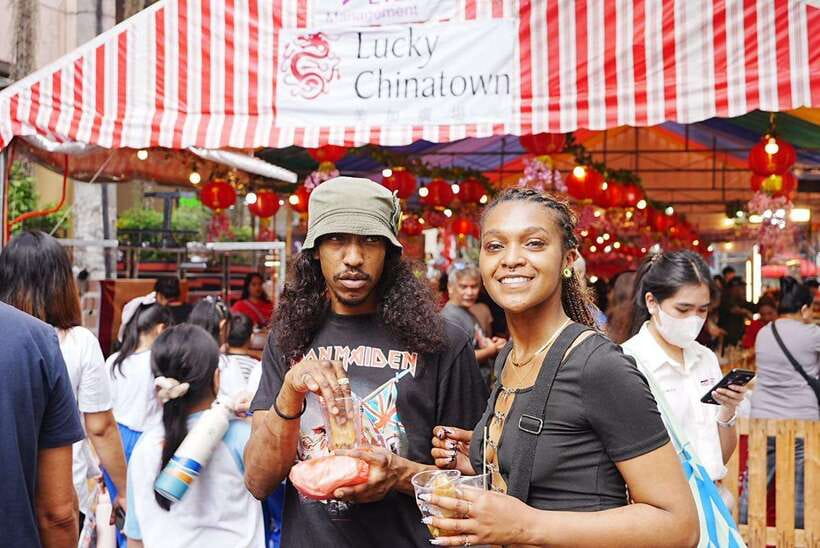
At $65 per person, this is not the cheapest way to walk around Binondo. You can visit streets, shops, churches, and food businesses without paying for a guide. The question is what you are buying beyond access.
For the price, you receive an English-speaking local guide, bottled water, food tastings, and local transport during the experience. You also receive help with navigation and a personal explanation of the district. For a first visit to Manila, that combination can make the cost reasonable, especially if you are traveling alone and want focused attention.
The value is strongest if you would otherwise spend time trying to work out where to go and how to use local transport. Venus takes you into streets you might skip and helps you move through them with more confidence. That is a real benefit in a place where the most interesting experiences are not always on a simple sightseeing route.
The value is weaker if you want a long meal, extensive historical commentary, or time for detailed photography. Two hours passes quickly, and the quick pace means the experience is more about range than depth.
A useful plan is to treat this as your Binondo introduction, then return to one or two places afterward. Venus may be able to suggest restaurants and bars near your hotel after the tour, which can help you turn a short visit into a longer food stop later in the day.
Who should book this Binondo tour?
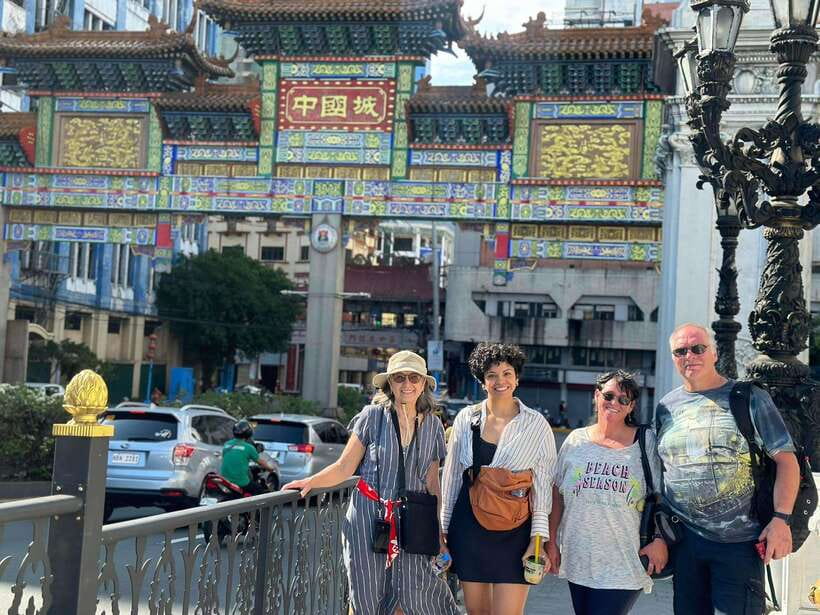
I would recommend it to a first-time visitor who wants a strong first impression of Manila’s Chinatown without handling every detail alone. It also suits solo visitors, curious eaters, and anyone who wants to try local transport with an English-speaking guide nearby.
It is a good fit if you like asking questions and seeing ordinary streets as well as famous landmarks. The tour has enough food, history, religion, and transport to keep the two hours varied.
I would be more cautious if you are a slow walker, want long pauses, or prefer to study every building. The pace is fast, and you need to keep Venus in sight. Families with young children should also consider whether the quick movement through crowded streets will be comfortable for everyone.
Wear practical shoes and keep your belongings secure. That advice is not a special requirement stated for this tour, but it follows from the busy streets and walking involved. Bring an appetite, but do not assume the tastings are a full meal.
Free cancellation is available up to 24 hours before the start time, and you can reserve now and pay later. Those terms make it easier to fit the tour into a changing Manila schedule.
Should you book Manila Chinatown Hidden Gems with Venus?
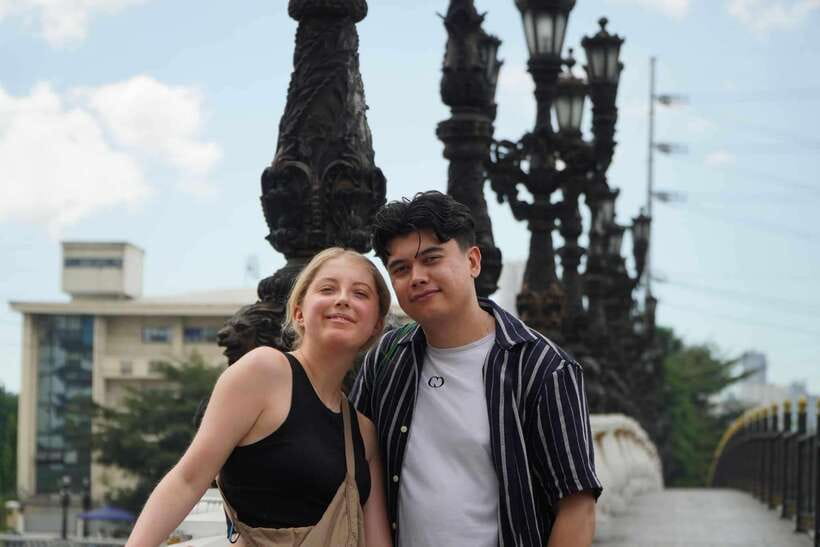
Book it if you want a fast, personal introduction to Binondo rather than a formal sightseeing lecture. Venus brings together old landmarks, food, local transport, temples, and streets you might not find on your own. The strongest praise centers on her friendliness, local context, and ability to make unfamiliar areas feel manageable.
Skip it if your ideal tour moves slowly or gives you time to photograph every stop. At $65 for two hours, you are paying for guidance, access to local transport, and a concentrated route, not a leisurely half-day outing.
Before paying, confirm the meeting point, the apparent location difference between Nueva Vizcaya and Manila, and the actual group size. Once those details are clear, this looks like a worthwhile choice for an active visitor who wants to see Binondo from street level and taste more than the usual tourist version of Manila.
FAQ
Where does the tour meet?
The meeting point is Tutuban Center Mall at the Bonifacio Monument. Ask mall security where to find the meeting location.
How long does the experience last?
The tour lasts two hours. Starting times depend on availability.
What language does Venus speak during the tour?
The live tour is conducted in English.
What food can I expect to try?
The experience includes Chinese food tastings. Suggested foods and stops include dim sum, hopia, hand-pulled noodles, dumplings, Eng Bee Tin, and Dong Bei Dumplings.
Is local transportation included?
Yes. The experience includes local transportation, with rides described in the tour details and feedback as jeepneys, an electric tricycle, and a tuk tuk.
How much does the tour cost?
The listed price is $65 per person.
Can I cancel or pay later?
You can cancel up to 24 hours in advance for a full refund. You can also reserve now and pay later.
Just added around Manila
- Underground River with Lunch★ 3.6 · 5 reviews
- Tagaytay Adventure: Volcano Views, Countryside, Market & Cruise!★ 4.5 · 14 reviews
- Private Tour: Tagaytay Midlands & Taal Volcano Boat Ride★ 4.5 · 15 reviews
- 3 Days Private Tour in Banaue Ifugao visiting Batad Rice Terraces★ 3.5 · 3 reviews
- Tagaytay + Hidden Valley Springs: A Scenic Escape w/ Transfers★ 4.0 · 4 reviews
- Tagaytay Day Tour sightseeing with Panoramic Taal volcano view★ 5.0 · 6 reviews
- Unforgettable Manila Fishing Village Day Excursion 2024★ 5.0 · 4 reviews
- Cultural Dinner and Show in Manila★ 5.0 · 4 reviews
Manila Street Food Tours, compared.

Intramuros, Chinatown, and Old Manila Half-Day Tour
Read our review →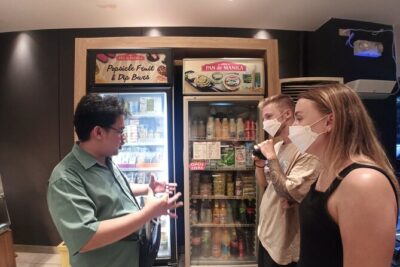
Manila Food Tour: Introduction to Philippine Street Food
Read our review →
Manila Food Tour: Explore World’s Oldest Chinatown
Read our review →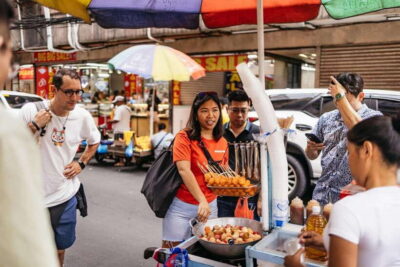
Street Food and Drinks Walking Tour with Tastings
Read our review →
Intramuros, Chinatown, and Old Manila Half-Day Tour
Read our review →
Makati Street Food Experience end with a Rooftop Bar
Read our review →
Intramuros & Chinatown Manila Tour – Walking, Food & Culture
Read our review →Browse the lists this tour appears in