
Reviewed · MANILA STREET FOOD TOURS
Binondo Bites Manila Food Tour with 15+ Tastings
Binondo Bites takes you straight into the food heart of Manila’s oldest Chinatown, where Filipino and Chinese cooking meet in dim sum houses, panciterias, street stalls, and family-run eateries. You eat your way through six or seven stops, then look up at churches, dragon lamps, and a rooftop temple.
I like the small maximum group of eight, which makes a walking food tour easier to manage and gives the guide room to explain what is on your plate. I also like the broad food range: more than 15 tastings, bottled water, old restaurants, morning tea houses, and neighborhood carinderias rather than one polished dining room.
The main drawback is dietary flexibility. Vegetarians miss four or five tastings, while people with severe allergies, halal requirements, or celiac disease should not book because of possible traces and cross-contamination. The 10 a.m. start and several hours of walking also call for comfortable shoes and a good appetite.
What makes this Binondo food tour worth your time
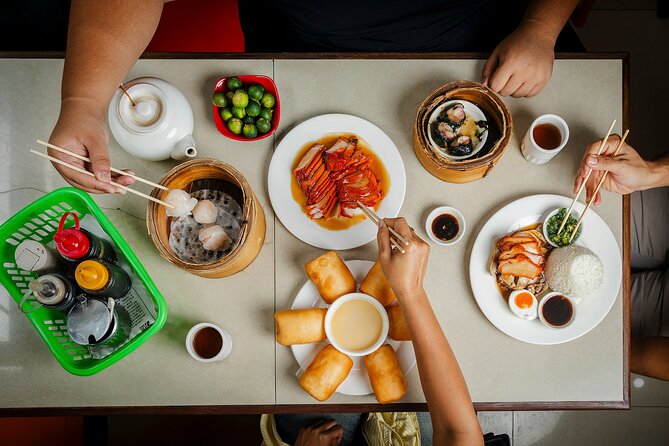
- 15-plus tastings in one lunchtime walk: You sample across several kinds of Filipino-Chinese food instead of building your own food crawl.
- A maximum of eight people: The small group suits anyone who prefers a more personal guide and less waiting at crowded food stops.
- Six or seven places around Binondo: The route includes morning tea houses, Carvajal and Ongpin street vendors, old restaurants, and family carinderias.
- Food plus neighborhood sights: Binondo Church, dragon lamp posts, and a rooftop temple give the meal a sense of place.
- A useful starting point: The tour begins at 1919 Grand Cafe, 117 Juan Luna Street, and ends there too.
- A clear limitation for special diets: Vegetarians receive fewer tastings, and the tour is not suitable for severe allergies, halal diets, or celiac disease.
Starting at 1919 Grand Cafe at 10 a.m.
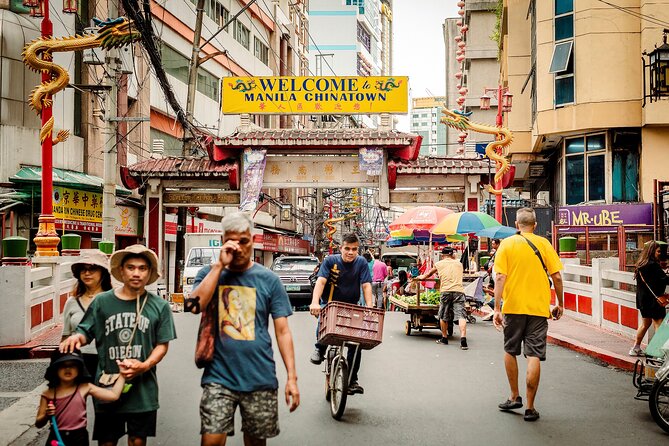
Your morning begins at 1919 Grand Cafe on Juan Luna Street. This is a practical meeting point because the tour starts and finishes in the same place, so you do not need to arrange a separate ride back after several hours of eating.
The 10 a.m. start shapes the whole experience. You are joining a late-morning food walk rather than a formal dinner tour, so expect the route to include morning tea houses and daytime food businesses. That timing also gives you room to continue exploring Manila afterward.
Bring an umbrella or rain gear if the forecast looks uncertain. The activity requires walking outdoors, and poor weather can affect the schedule. Comfortable shoes matter more than dressy clothes here. You are moving through streets and stopping repeatedly, not sitting through one long meal.
The group size is capped at eight. That is one of the strongest practical features. With many tastings spread across several locations, a large group could slow down ordering and make explanations hard to hear. A smaller group should make it easier to ask what you are eating, compare impressions, and keep the route moving.
More Manila Street Food Tours in Luzon:
- Manila: Intramuros, Chinatown, and Old Manila Half-Day Tour
★ 5.0 · 37 reviews - Makati Street Food Experience end with a Rooftop Bar
★ 5.0 · 33 reviews - Intramuros & Chinatown Manila Tour – Walking, Food & Culture
★ 4.5 · 32 reviews
Filipino and Chinese food in Manila’s oldest Chinatown
Binondo gives the tour its real subject. This is not simply a list of Filipino dishes served in a restaurant. The route looks at the long food relationship between Filipino and Chinese communities, using the streets, religious buildings, shops, and family eateries as part of the lesson.
You will see a neighborhood where dragon lamp posts and Chinese temples sit close to Catholic landmarks. That mix matters because the food story is also a cultural story. Filipino cooking and Chinese cooking have influenced one another for generations, and Binondo provides a concentrated place to see that connection.
The tour is especially useful if Filipino food is still unfamiliar to you. The guide can connect each tasting to the wider food culture, helping you understand not just what you are eating but why Binondo is a good place to encounter it. You leave with a better basis for ordering elsewhere in the Philippines.
The route also moves you away from Manila’s modern business districts. Binondo feels like a different side of the capital than the glass towers of Makati. The appeal is not polished scenery. It is the everyday setting of food stalls, small restaurants, old cafes, and working neighborhood streets.
What the 15-plus tastings actually add
The large tasting count is the tour’s headline feature, but its value depends on how you eat. You are not receiving 15 full meals. You are sampling portions across six or seven stops, which lets you try more types of food without committing to a full plate at every place.
The listed food settings include dim sum houses, panciterias, morning tea houses, street vendors, 100-year-old restaurants, and family carinderias. That range is more useful than visiting several similar restaurants. You get a sense of different food traditions and different ways Binondo serves its local community.
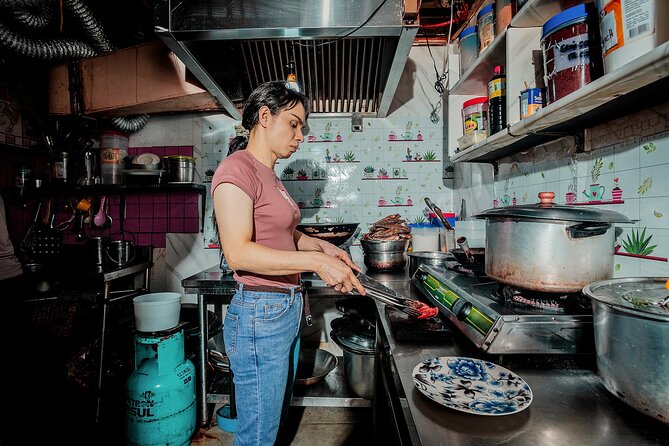
A carinderia is a simple family-run eatery. Including this kind of place gives the route a more everyday feel than a food tour limited to famous restaurants. The old restaurants add a sense of continuity, while Carvajal and Ongpin streets bring in the street-food side of Binondo.
The tour also includes bottled water, which is a small but welcome detail during a food-heavy walk. Alcohol is not included, so budget separately if you want a drink later. Since the tasting list is long, arrive ready to eat, but do not fill up before meeting the guide.
One published rating describes the food as exactly what the diner wanted and praises the stroll through the heart of Manila. That captures the balance of the experience well: the food is the main event, but the walking route gives it context and helps you see more than a succession of plates.
From dim sum houses to family carinderias
The food route is designed as a movable feast. You do not stay in one place while a guide lectures. You move through Binondo and stop as the neighborhood changes around you.
A dim sum house introduces the Chinese side of the local food mix, with steaming small bites and tea-house traditions. The information provided does not promise a fixed list of every dish, so you should think of the menu as a broad tasting experience rather than a guaranteed checklist.
Panciterias bring another familiar part of Filipino-Chinese food culture. The name points to noodle-focused cooking, and this stop helps show how Chinese influence became part of everyday Filipino eating. The guide’s explanation is important here because a simple noodle dish can carry more cultural context than its appearance suggests.
Carvajal and Ongpin add a street-level view. These streets are named as stops for food vendors, so you can expect a less formal setting and a closer look at the neighborhood’s food trade. Street stops can be more exposed to weather and crowds, which is another reason to wear practical shoes and carry rain protection.
The 100-year-old restaurants provide a contrast. Instead of seeing only the newest or most photogenic places, you encounter businesses with long local roots. Family carinderias complete the range, showing the modest, personal side of Binondo dining.
I like this variety because it makes the tour useful for the rest of your trip. Afterward, you will have seen several kinds of places where Manila residents eat, not just one restaurant chosen for visitors. The tradeoff is that the route may feel busy and fast at times, especially when the group is trying to keep several stops on schedule.
A few more Luzon trips to weigh up
- Makati Street Food tour Experience
★ 5.0 · 16 reviews - Manila Food Tour Experience with Local Guide
★ 5.0 · 4 reviews - Manila Food Tour: Introduction to Philippine Street Food
★ 5.0 · 417 reviews - Boracay Sunset Cruise with Party DJ & Unlimited Food and Drinks
★ 5.0 · 211 reviews
Binondo Church and the rooftop temple
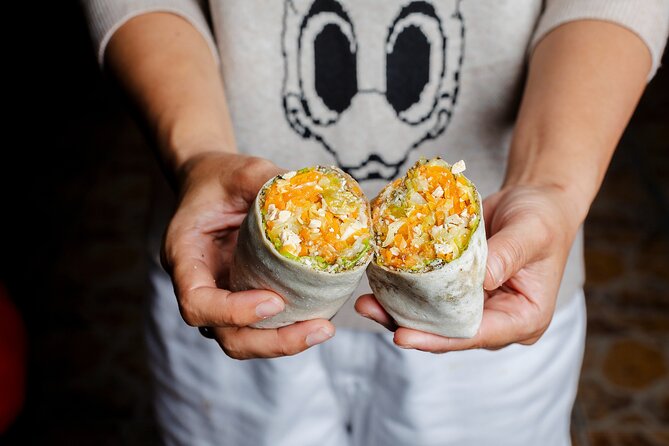
Food is only part of the route. A 15-minute stop at Binondo Church adds a religious landmark to the walk, while a rooftop temple offers a different view of the neighborhood’s Chinese identity.
These stops help explain why Binondo feels so distinctive. You are not moving through a food district stripped of its surroundings. Churches, temples, dragon decorations, and restaurants all sit within the same short walking area.
The Binondo Church visit is brief, so treat it as a short orientation stop rather than a full church tour. The same applies to the rooftop temple. The value comes from seeing these places within the food route and noticing the neighborhood’s mixture of faiths and visual traditions.
The dragon lamp posts are another small but memorable detail. They provide a clear visual thread as you walk and reinforce the Chinese character of the district. If you enjoy photographing streets and details, keep your phone ready, but do not expect the activity to function as a dedicated photography tour.
The guide and the small-group format
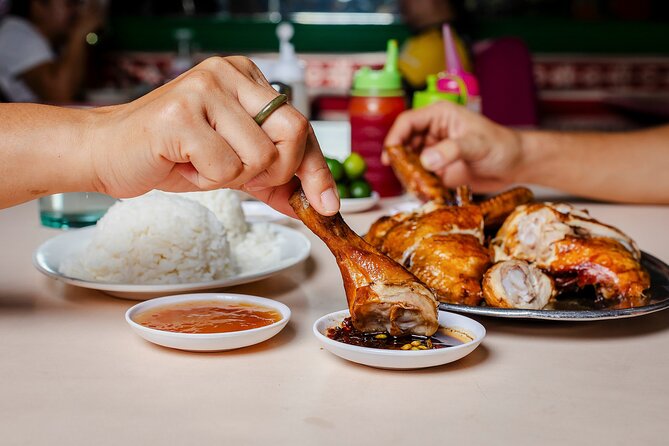
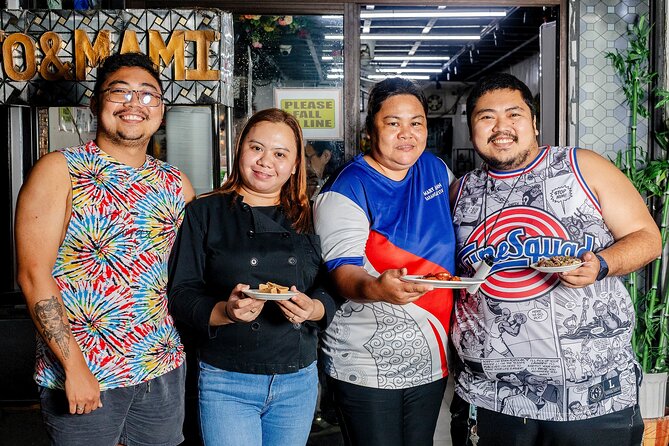
A professional food guide leads the route, and the tour describes the host as food-obsessed. No individual guide names are provided, so you should book for the format and route rather than for a specific person.
The guide’s role matters here because 15 tastings can become confusing without explanation. A good host helps you pace yourself, identifies the places you are visiting, and connects Filipino and Chinese food traditions as you go. The small group should make those conversations easier.
This is also a social experience. By the final stop, you will likely have spent several hours eating and walking with the same small group. The tour description presents it as a way to finish with new friends as well as food memories. If you prefer to explore alone and choose every dish yourself, a self-guided food crawl may offer more freedom.
On the other hand, Binondo can be easier to appreciate with structure. A guide removes much of the guesswork about where to stop and what to try. You can focus on tasting and observing instead of spending your limited Manila time comparing menus from the sidewalk.
Who should book, and who should skip it
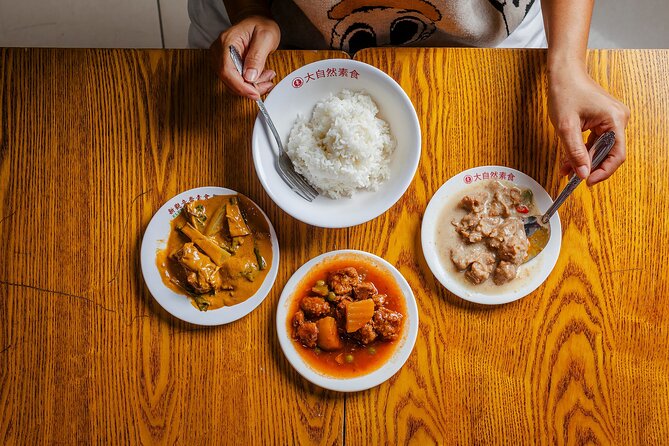
I would choose this tour if you want Filipino food explained in its local setting. It fits first-time visitors to Manila, curious eaters, and anyone who prefers several small tastings to one large meal.
It also suits people who like history in manageable portions. You get churches, temples, old restaurants, and street scenes, but the tour remains focused on food. You do not need a separate full-day cultural program to enjoy it.
The tour is less suitable for strict dietary needs. Vegetarians receive four or five fewer tastings because alternatives are limited. Severe allergies, halal diets, and celiac disease are specifically excluded because of the risk of traces and cross-contamination.
You should also consider your walking comfort. The duration is about three to four hours, and the route moves among six or seven stops. Most people can participate, but comfortable shoes are a sensible requirement, especially if rain makes the streets less pleasant.
Is $59 a fair price?
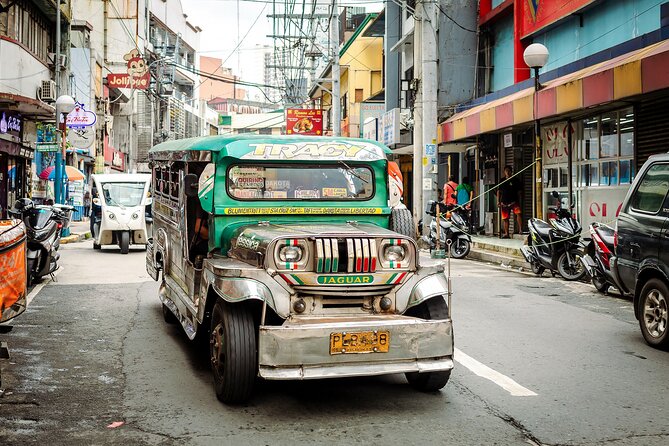
At $59 per person, the value rests on three things: the number of tastings, the number of stops, and the guide’s local knowledge. More than 15 tastings across six or seven locations can cost more to arrange independently, especially if you would otherwise order full portions and leave food unfinished.
You are also paying for the route design. A self-guided visit to Binondo may be cheaper, but you would need to choose the places, manage the pacing, understand the food, and find your way between stops. This tour puts those pieces together in a compact half-day.
The price does not include alcohol or hotel pickup and drop-off. You meet at the cafe and return there at the end. That keeps the arrangement simple, but you should account for your own transport to Juan Luna Street and any drinks you want beyond the included bottled water.
The small group improves the value. A maximum of eight gives the food guide a better chance to speak with everyone, and it should reduce the delays that can affect large walking groups. If you want a private tour, that is available by contacting the provider, though the private price is not provided here.
Practical details before you reserve
Confirmation arrives within 48 hours of booking, subject to availability. The tour has a 5.0 rating from five posted ratings, including praise for both the food and the walk through central Manila. That is a positive signal, though the small number means you should judge the experience mainly by its route, food focus, and dietary terms.
Free cancellation is available if you cancel at least 24 hours before the local start time. Cancellations or changes made less than 24 hours before the start are not refunded or accepted. If poor weather causes the provider to cancel, you will be offered another date or a full refund.
Plan for a full stomach, but not an overfull one. With more than 15 tastings, the best strategy is to eat lightly beforehand and pace yourself. Water is included, while alcoholic drinks are not.
The mobile ticket is convenient, but the important detail is still the meeting point: 1919 Grand Cafe, 117 Juan Luna Street, Binondo, Manila, 1006 Metro Manila. The activity ends back at that same location.
Should you book Binondo Bites?
Book it if you want a food-first introduction to Binondo with enough walking to understand the neighborhood. The combination of 15-plus tastings, a small group, family eateries, old restaurants, street vendors, Binondo Church, and a rooftop temple gives you more than a meal. It gives you a compact way to read the district through what people eat.
Skip it if you need strict control over ingredients, want a vegetarian-heavy route, or dislike walking between several food stops. For most curious eaters who can handle the dietary limits, $59 is a reasonable price for a guided half-day that combines food, local context, and a clear route through one of Manila’s most distinctive districts.
FAQ
Where does the Binondo Bites tour start?
The tour starts at 1919 Grand Cafe, 117 Juan Luna Street, Binondo, Manila, 1006 Metro Manila, Philippines.
What time does the tour begin?
The start time is 10:00 a.m.
How long does the food tour last?
The experience lasts approximately three to four hours.
How many food tastings are included?
More than 15 food tastings are included across six to seven stops around Binondo.
Is the tour suitable for vegetarians?
Vegetarians can participate, but they will receive four to five fewer tastings because there are limited alternatives.
Can I cancel for a full refund?
Yes. You can cancel at least 24 hours before the local start time for a full refund. Poor-weather cancellations by the provider result in either another date or a full refund.
More Food in Luzon
- Manila Food Tour: Explore World’s Oldest Chinatown
★ 5.0 · 158 reviews - Manila: Street Food and Drinks Walking Tour with Tastings
★ 4.8 · 114 reviews - The Original Cebu City Historical and Food Walking Tour
★ 4.5 · 81 reviews - Manila: Sightseeing and Food Walking Tour with Tastings
★ 4.7 · 68 reviews
Just added around Luzon
- Villa Escudero Tour with Lunch From Manila (SHARED)★ 5.0 · 5 reviews
- Private Filipino Cooking Class in the Heart of Manila,Makati City★ 5.0 · 5 reviews
- Villa Escudero Coconut Plantation Day Trip from Manila★ 3.5 · 9 reviews
- VILLA ESCUDERO DAY TOUR with Carabao Cart Ride and Bamboo from Manila★ 4.0 · 6 reviews
- Angeles City / Clark Airport to La Union (Bauang, San Fernando, San Juan)★ 3.5 · 4 reviews
- The Jeepney & Tuk Tuk Adventure ride with Local Guide★ 4.5 · 4 reviews
- Sagada and Banaue Rice Terraces 4-Day Tour★ 5.0 · 4 reviews
- Pagsanjan Falls Adventure with Lunch and Rapids Experience★ 4.5 · 3 reviews
Manila Street Food Tours, compared.

Intramuros, Chinatown, and Old Manila Half-Day Tour
Read our review →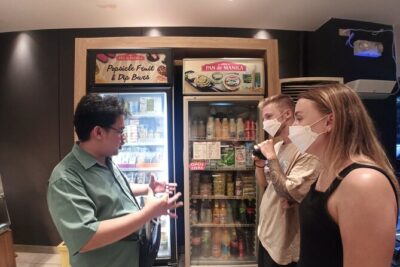
Manila Food Tour: Introduction to Philippine Street Food
Read our review →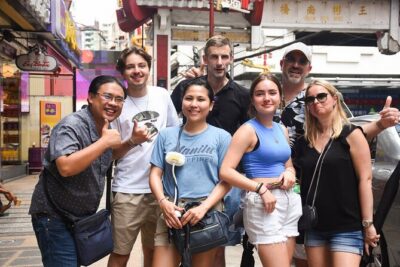
Manila Food Tour: Explore World’s Oldest Chinatown
Read our review →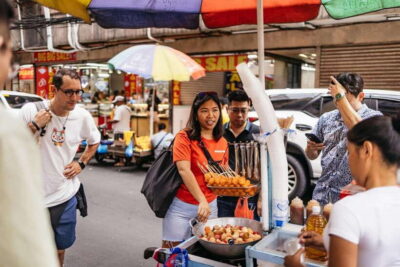
Street Food and Drinks Walking Tour with Tastings
Read our review →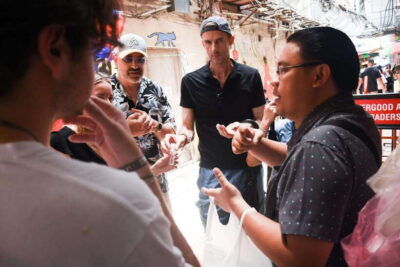
Intramuros, Chinatown, and Old Manila Half-Day Tour
Read our review →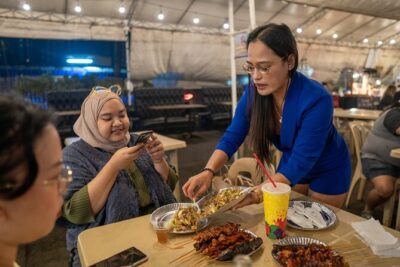
Makati Street Food Experience end with a Rooftop Bar
Read our review →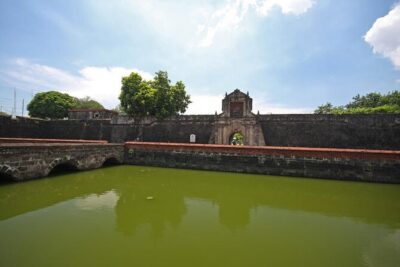
Intramuros & Chinatown Manila Tour – Walking, Food & Culture
Read our review →Browse the lists this tour appears in