
Reviewed · FOOD & DRINK
The Original Cebu City Historical and Food Walking Tour
Cebu City’s story makes the most sense on foot, with a jeepney ride and a plate of local food between the monuments. This tour links the Heritage of Cebu Monument, an old Chinese-Filipino house, Santo Niño sites, and Carbon Market in one late-afternoon route.
I like the local transport and market time, since you get more than polished sightseeing. I also like the guides’ personal approach: Kyle, Phillip, Necian, and Lorelie are repeatedly singled out for clear explanations, patience, and friendly conversation. The catch is value. At $69.99, this is not a cheap walk, and the experience can feel short or food-light if stops change or the group moves quickly.
Key points to know before booking
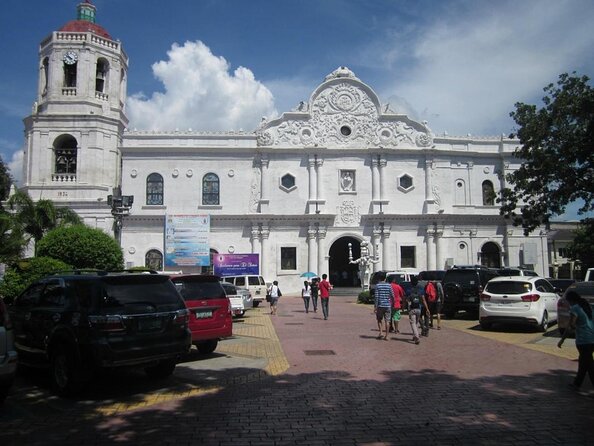
- Six major Cebu sights fit into a roughly four-hour route, including Magellan’s Cross and the Santo Niño Basilica.
- Carbon Market adds everyday Cebu, not just grand churches and official monuments.
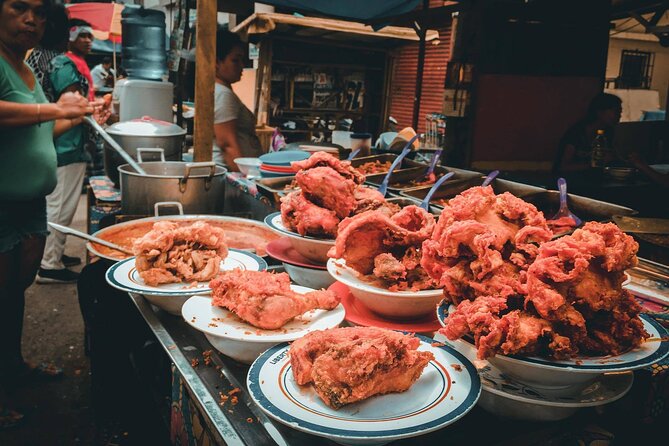
- Food is local and adventurous, with dishes such as lechon, tuslob buwa, and possibly balut depending on the day.
- A jeepney ride may be part of the route, giving you a useful introduction to Cebu’s public transport.
- The tour starts at 4pm and ends at Freedom Park, so arrange your own ride back.
- A group can reach 20 people, though smaller groups may feel easier during food stops and street crossings.
Why this four-hour route works in Cebu City
Cebu is often treated as a jumping-off point for beaches and island trips. That is a shame if you have even one free evening in the city. The old center holds some of the Philippines’ most important Christian landmarks, early colonial stories, and working markets.
This tour gives you a practical first look without asking you to plan a route through busy streets. You meet at Ayala Terraces at 4pm, then follow a guide through a sequence of sites and food stops. The late start should soften the heat, although Cebu remains warm and humid, and rain is always a possible factor.
The route is best understood as a history walk with food woven through it, rather than a restaurant tour. Several people enjoyed tasting unusual local dishes and seeing where residents eat, but one person felt the food was secondary to the historical stops. That is a fair way to set your expectations.
The guides are a major part of the experience. Kyle is praised for his English, care, and enthusiasm. Phillip is described as kind and helpful, while Necian is conversational and informative. Lorelie is noted for her energy and strong interest in Cebuano food and culture. Your guide will affect the pace and personality of the afternoon, but the common thread is a friendly, personal style.
A few more Cebu trips to weigh up
- Cebu City: Historical Street and Food Tour
★ 4.9 · 31 reviews - Cebu Steet food, historical and mountain tour
★ 5.0 · 15 reviews - The Ultimate Cebu Food Tour: Local Tastes & Cultural Journey
★ 4.5 · 10 reviews
Heritage of Cebu Monument and the city’s big story
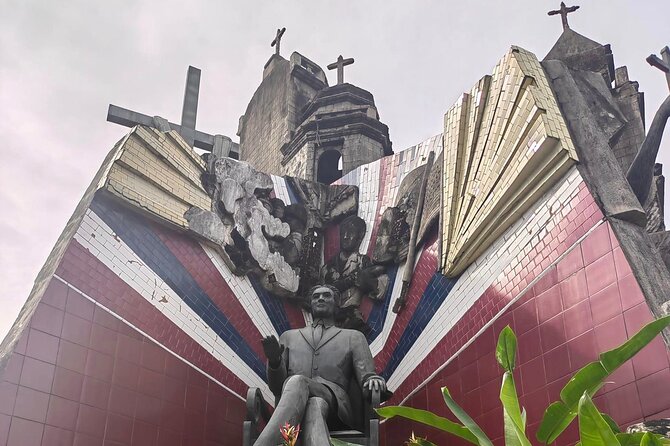
The Heritage of Cebu Monument is an outdoor tableau showing major episodes in Cebu and Philippine history. Its scenes include the Battle of Mactan, the inauguration of Sergio Osmeña as president, and the canonization of Pedro Calungsod.
You get about 30 minutes here, with admission included. The monument is useful because it gives you a visual outline before the tour moves into older buildings and religious sites. Instead of hearing isolated dates, you can connect several figures and events in one place.
This is not a museum visit with long indoor exhibits. Think of it as a compact introduction, best appreciated when your guide explains what the figures represent. If you want a slow study of every scene, 30 minutes may feel brief.
Yap-Sandiego Ancestral House, wood, coral, and family life
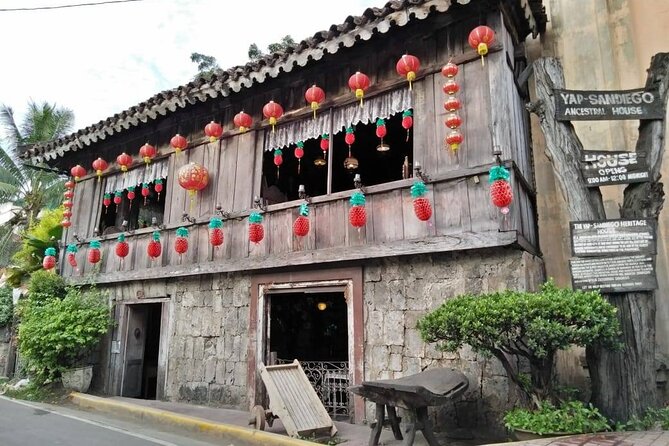
The Yap-Sandiego Ancestral House offers a different kind of history. Built around 1680, it is one of the country’s oldest residential homes. Its construction uses wood and coral stone, and its design reflects Spanish and Chinese influences.
I like this stop because it shifts your attention from national events to domestic life. The house feels atmospheric in a way that a large church cannot. You get a sense of how a wealthy old Cebu home was built and furnished, and why the city’s past cannot be reduced to a single Spanish-colonial story.
Admission is included, and the visit lasts about 30 minutes. This is one of the clearer value points in the package. If you care about architecture, household objects, or the meeting of Filipino, Chinese, and Spanish traditions, give this stop your full attention.
Santo Niño Basilica and the center of Cebu devotion
The Basilica Minore del Santo Niño de Cebu was founded in 1565 by Fray Andrés de Urdaneta and is associated with the Santo Niño, or Holy Child, devotion that plays a major role in Cebu.
The basilica is near Magellan’s Cross, so these stops fit naturally together. Its importance is both historical and religious. This is not simply an old church to photograph. It remains an active place of worship, and the atmosphere can change sharply when services are under way.
Your route includes about 30 minutes at the basilica, with admission listed as included. Keep in mind that being taken to a church does not always mean you will have a full interior tour. One account noted that the basilica and cathedral were not entered, possibly because it was Sunday and both were crowded. If seeing the inside matters to you, ask the guide at the start what access is expected that day, and be respectful if worship limits the visit.
Same islands, a completely different day on the water:
- Cebu City: Whale Shark Swimming & Kawasan Falls Canyoneering
★ 4.7 · 665 reviews - Cebu City: Bohol Countryside Tour with Loboc Cruise Lunch
★ 4.5 · 488 reviews - Canyoneering Experience in Kawasan Falls with Lunch
★ 5.0 · 440 reviews - Cebu: Oslob Whale Sharks, Tumalog Falls & Sardine Snorkeling
★ 4.3 · 343 reviews
Magellan’s Cross and the story behind the symbol
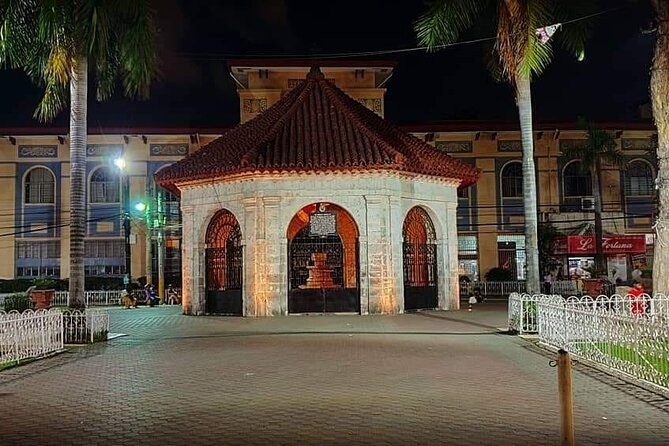
Magellan’s Cross sits inside a stone pavilion on Plaza Sugbo, beside the Santo Niño Basilica. The cross is associated with the arrival of Christianity in Cebu and the expedition led by Ferdinand Magellan.
This is one of the city’s essential stops, but it is small. You will not spend an hour here. The value comes from the explanation around the object: its place in Cebu’s religious identity, its connection to the 1521 expedition, and its proximity to the basilica.
The stop is scheduled for about 30 minutes. That may include time to walk, listen, and take in the surrounding plaza. Crowds can affect how long you can linger near the pavilion, so do not judge the tour by the size of this one attraction.
Cebu Metropolitan Cathedral and wartime scars
The Cebu Metropolitan Cathedral, officially tied to Saint Vitalis and the Immaculate Conception, adds another layer to the city’s religious story. Much of the building was destroyed during World War II by Allied bombing and later rebuilt.
This stop pairs well with the basilica because you can compare two important churches rather than treating Cebu’s faith history as one single site. The cathedral also helps explain how war altered the city’s built environment.
Again, allow for a possible exterior-focused visit. Church schedules, crowds, and services can affect entry. The published stop lasts about 30 minutes, but the practical experience depends on what is happening when you arrive.
Carbon Market, where the tour feels most local
Carbon Market is the most useful stop for seeing ordinary commerce in motion. Its name comes from carbón, the Spanish word for coal. The area was said to be near a coal depot serving the old Cebu Railway, which operated from the 19th century.
This is where the tour earns its local angle. You move away from formal monuments and into a working market, with food, people, and the daily business of Cebu around you. One account wished for more time here, and I understand why. A 30-minute visit can introduce the market, but it will not let you explore every corner.
The food portion may include several small tastings at local shops or street stalls. Dishes mentioned across the experience include lechon, tuslob buwa, balut, and other regional snacks. Lechon received a particularly warm mention, while tuslob buwa offered a chance to try something that many people would not order alone.
Do not expect every listed food to appear every time. One person did not encounter balut, and the operator has described the experience as including three food stops, while another account referred to four places. Menus, opening hours, holidays, and the group’s pace can all change the food sequence.
The food: authentic, but not designed for cautious eaters
The food is one of the tour’s strongest draws, but it needs the clearest warning. This is not a polished tasting menu. You are being introduced to local street food and everyday dishes, some of which may be unfamiliar or challenging.
That is exactly why the tour can be useful. A guide can explain what you are eating, point you toward a stall, and make it easier to try a small portion. Several people enjoyed discovering food they would not have approached on their own. Others found some dishes ordinary or not suited to their taste.
I would book this only if you are open to surprise. If you are vegetarian, have strict dietary limits, or want carefully controlled restaurant meals, ask the operator about food options before paying. The supplied details do not promise a vegetarian menu or list allergy accommodations.
The food also appears to be spread through the route rather than saved for one grand meal. You may finish feeling well fed, but the exact amount depends on the stops available and how quickly the group moves.
Jeepneys, walking, and the practical pace
The experience uses walking and may include a jeepney or other public transport segment. That is a genuine part of Cebu life, not a private sightseeing transfer. Some people especially enjoyed learning how jeepneys work and riding one through town.
This also explains why the tour will not feel like a sealed, air-conditioned excursion. You need to be comfortable walking through busy city areas and using public transport with the group. The route is near public transportation, and most people can participate, but the details do not promise private vehicles or hotel pickup.
The advertised duration is approximately four hours. In practice, the pace matters. One group finished in about two and a half hours because it moved quickly between stops, while another described the experience as about three and a half hours. If you want every stop to receive its full time, say so politely and keep the group together.
The maximum group size is 20. That is manageable, but it is not intimate. A small group will make food ordering, conversation, and movement through tight areas easier. With a full group, allow for a slower start at each stop.
Is $69.99 a fair price?
At $69.99 per person, the tour is expensive compared with simply visiting Cebu’s public landmarks on your own. The price needs to cover more than admission. You are paying for a guide, route planning, included entrances, food tastings, and the confidence to visit places that can feel confusing on a first evening.
The Yap-Sandiego Ancestral House admission is included, as are the listed attraction admissions. Food stops are also part of the package. Still, the value depends on what actually happens that day. If you receive several tastings, use public transport with the guide, enter the main historic sites, and get a clear explanation of Cebu, the price becomes easier to defend.
If the tour turns into a quick walk with limited food and mostly exterior views, the cost will feel high. That concern appears in the feedback, and it is not unreasonable. Arrive on time, ask what food is planned, and clarify which sites you will enter. Those simple questions help you decide if the package fits your budget.
The tour does not include your ride back after reaching Freedom Park. This is important because the route is one-way. You need to arrange and pay for your own return transport, such as a Grab ride or another local option.
Who should book this Cebu walking tour?
I would recommend it for a first visit, especially if you have only one evening in Cebu City. You get a useful orientation, major historic sights, a market, local food, and a taste of public transport without spending hours planning the sequence.
It also suits solo visitors who want company while walking through unfamiliar areas. One solo woman specifically felt safe with the guide, and several people appreciated the guides’ patience and care. That does not remove the need for normal city awareness, but having a local escort can make the evening easier.
Food adventurers will get the most from it. You should be willing to try unfamiliar dishes and accept that not every bite will suit you. History fans should also enjoy the route, though the explanations are likely to be conversational rather than an academic lecture.
I would hesitate if you want a slow museum visit, private transportation, a guaranteed menu, or a tour that ends at your hotel. The route is active, social, and somewhat flexible.
The booking is non-refundable and cannot be changed for any reason. If poor weather cancels the experience, you are offered another date or a full refund. The same applies if the minimum number of participants is not reached.
Should you book it?
Book this tour if you want a quick, human introduction to Cebu City that mixes churches and monuments with market life and unfamiliar food. Its best moments come from the guides, the jeepney ride, the ancestral house, and the chance to taste dishes you might skip alone.
Before paying $69.99, accept that this is not a private tour and that the food list, site access, and exact duration can vary. Arrive at Ayala Terraces on time, wear shoes suited to city walking, keep an open mind about street food, and plan your own ride from Freedom Park. With those expectations, this is a useful first evening in Cebu.
FAQ
How long is the Original Cebu City Historical and Food Walking Tour?
The tour lasts approximately four hours, although the actual duration can vary with the group’s walking pace and the time spent at each stop.
What time does the tour start?
The scheduled start time is 4pm.
Where does the tour begin?
The meeting point is Ayala Terraces, 8W94+H97, Biliran Road, Cebu City.
Where does the tour end?
The tour ends at Freedom Park in the Carbon area of Cebu City.
Is transportation included?
The experience may include public transportation such as a jeepney. It does not include transportation back to your hotel after the tour ends.
What food is included?
The tour includes several local food stops. Foods mentioned in the experience include lechon, tuslob buwa, balut, and other Filipino street food. The exact selection can vary.
Are attraction admissions included?
Admission is listed as included for the Heritage of Cebu Monument, Yap-Sandiego Ancestral House, Santo Niño Basilica, Carbon Market, Magellan’s Cross, and Cebu Metropolitan Cathedral.
How many people can join the tour?
The maximum group size is 20 people.
Is the tour suitable for most people?
Most people can participate, and the tour is near public transportation. It involves walking and may include a jeepney ride.
Can I cancel for a refund?
The experience is non-refundable and cannot be changed after booking. If the operator cancels because of poor weather or because the minimum number is not reached, you can choose another date or receive a full refund.
More Walking Tours in Cebu
- Cebu City: Walking Tour
★ 5.0 · 6 reviews - Manila: Street Food and Drinks Walking Tour with Tastings
★ 4.8 · 114 reviews - Viva Old Manila: Intramuros Walking Tour
★ 4.9 · 104 reviews - Manila’s Walled City: Intramuros Walking Tour
★ 5.0 · 82 reviews
More Historical Tours in Cebu
- Cebu: Exploring Cebu City’s rich history and Uphill Tour
★ 4.5 · 68 reviews - CEBU: Cebu City Heritage and Uphill Guided Tour
★ 4.2 · 31 reviews - Cebu Historic and Views Tour Pickup Dropoff and Lunch (private)
★ 5.0 · 26 reviews - BEST OF CEBU: Cebu City Heritage with Uphill Tour | Joiners
★ 4.5 · 22 reviews
Just added around Cebu
- Whale Shark Watching & Tumalog Falls & Kawasan Falls★ 5.0 · 16 reviews
- Whale Shark Watching and Sumilon Sandbar Private Tour Package★ 5.0 · 17 reviews
- Whale Shark Watching with Sumilon Sandbar and Kawasan Falls Tour★ 5.0 · 8 reviews
- Full Day Shark Watching and Canyoneering in Cebu★ 5.0 · 15 reviews
- Cebu Whale Shark Encounter, Moalboal Sardines & Tumalog Falls★ 4.0 · 18 reviews
- Discover Scuba Diving★ 5.0 · 18 reviews
- Group Tour of Moalboal Sardines Run & Kawasan Canyoneering★ 4.5 · 9 reviews
- Transfer Cebu City – Bantayan Island★ 3.5 · 4 reviews
Food & Drink, compared.
Manila Food Tour: Introduction to Philippine Street Food
Read our review →
Boracay Sunset Cruise with Party DJ & Unlimited Food and Drinks
Read our review →
Manila Food Tour: Explore World’s Oldest Chinatown
Read our review →
Street Food and Drinks Walking Tour with Tastings
Read our review →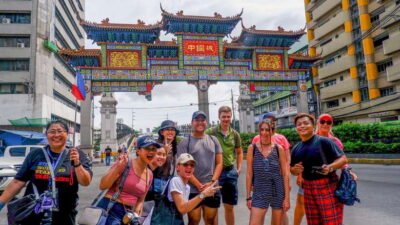
Manila’s Culinary Expedition: The Ultimate Food and Market Tour
Read our review →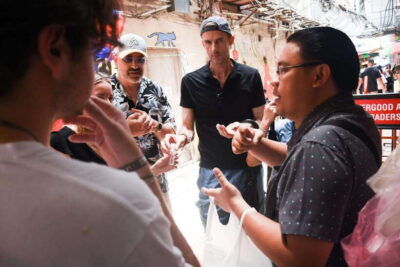
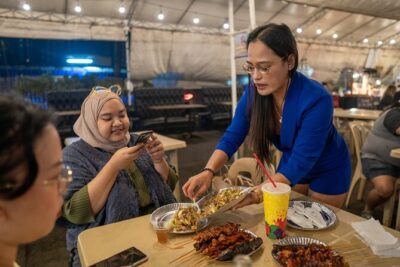
Makati Street Food Experience end with a Rooftop Bar
Read our review →Browse the lists this tour appears in